When caring for young trees, choosing the right pressure treated tree stakes helps ensure straight growth and resilience against wind, pests, and harsh weather. This guide highlights five durable options designed for American landscapes, from simple 12-inch steel stakes to comprehensive protection kits. Each product combines treated wood or steel with compatible straps, ropes, and supports to fit varying tree sizes and growing conditions.
| Product | Type | Best For | Key Benefit |
|---|---|---|---|
| 2 x 2-18″ Grade Stake (12 Pack) | Wooden Stakes | Small-to-midsize saplings | Durable, easy-to-use, affordable set |
| Miracle Tube 36″ Vented Seedling Protectors with Stakes – Pack of 20 | Seedling guards with stakes | Deer and pest protection for saplings | Full protection kit with eco-friendly tubes |
| VASGOR Heavy Duty 16” Tree Stakes and Supports – Set of 3 | Steel stakes | Young trees requiring strong support | Drill-compatible, long-lasting steel construction |
| Suzile 120 Pcs Tree Stake Kit | Comprehensive steel stakes & straps | Large quantities and multiple trees | Extensive kit with sturdy steel parts |
| Tree Stakes and Supports Kit with Straps, Spikes, and Rope | Stakes, straps, ropes | Windy, challenging conditions | Value-packed set with aluminum tensioners |
2 x 2-18″ Grade Stake (12 Pack)

The 2 x 2-18″ Grade Stake from Forest Products provides straightforward, reliable support for smaller trees or saplings. The 12-pack offers a budget-friendly option that is easy to handle during installation. These wooden stakes are a common choice for DIY projects and routine landscape maintenance. While simple, they offer adequate stability for young trees when paired with appropriate ties and gentle rotation as trees grow. Manufactured in China, this option emphasizes durability and ease of use for homeowners and small projects.
Miracle Tube 36″ Vented Seedling Protectors with Stakes

This protection kit combines 36-inch vented tubes with treated pine stakes to shield saplings from deer, rodents, birds, and mechanical damage. The 20-tube pack is designed for larger plantings or commercial settings, offering full protection and structural support. The reusable recycled plastic tubes are eco-friendly, with cuffed edges to prevent trunk abrasion and built-in airflow vents to mitigate overheating. The kit is ideal for nursery rows or long-term landscapes where sapling survival matters as much as growth rate.
VASGOR Heavy Duty 16” Tree Stakes
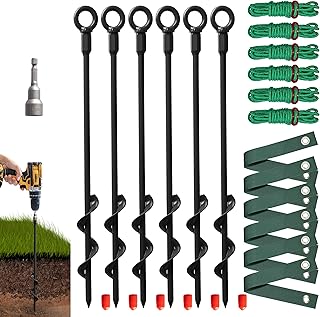
The VASGOR set includes three 16-inch steel stakes with corresponding straps and a long rope, with compatibility for drill use thanks to an included adapter. Built from robust steel, these stakes are designed for long-term resilience in tough soils and windy conditions. The kit’s dimensions (16 inches by 2 inches) target small-to-mid-size trees, offering substantial hold while minimizing damage to bark and cambium. This option suits landscapes with frequent gusts or uneven terrain where sturdy anchoring is essential.
Suzile 120 Pcs Tree Stake Kit

The Suzile kit is a comprehensive bundle designed for larger projects or advanced staking. It includes 40 pieces of 11.8-inch metal stakes, 40 pieces of 15.8-inch support straps, and 40 pieces of 13.12-foot ropes. The kit focuses on protecting and straightening trees while preventing bark damage with wider nylon straps. The combination of steel and nylon components offers durability and control for wind-prone areas, making it a strong choice for orchards, parks, or ambitious home landscaping rounds.
Tree Stakes and Supports Kit
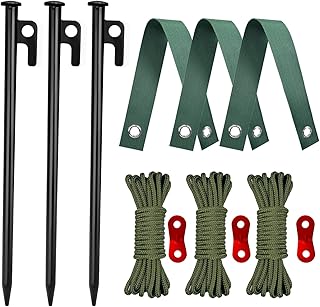
This value-packed kit includes three stakes, three tree straps, three ropes (about 13 feet each), and three aluminium tensioners. The 12-inch steel stakes are engineered to resist bending and provide reliable wind resistance for young trees. The straps are wide nylon for better load distribution, reducing bark damage and girdling risks. With aluminum tensioners, setup remains straightforward, making this option suitable for homeowners who want a complete, balanced staking system.
Buying Guide: Key Considerations For Pressure Treated Tree Stakes
Choosing the right stakes depends on tree size, soil type, climate, and maintenance goals. Here are multiple perspectives to help select the best fit.
- Material and durability: Wooden stakes are affordable and easy to work with but may rot in damp soils. Steel stakes offer superior longevity and wind resistance, particularly in exposed locations. Choose treated wood or corrosion-resistant steel to extend life in outdoor conditions.
- Seat and edema risk: Wider straps distribute pressure and minimize bark injury. Nylon straps reduce friction compared to rope while preserving cambial health during growth. Look for wide, soft-contact materials.
- Protection vs. growth needs: Seedling protectors add pest and sun protection. For tall, established saplings, purely structural stakes may suffice, but a combination approach can stabilize growth and reduce wind shear.
- Installation considerations: Drill-adapter compatibility helps with thicker steel stakes. Ensure your soil allows easy driving without damaging roots. Consider ground conditions and drainage when selecting stake length and diameter.
- Maintenance and replacement: Check for rust, wood decay, and strap wear at regular intervals. Replace damaged components promptly to avoid bark girdling or ineffective stabilization.
- Scalability: For large plantings, kits offering integrated ropes, straps, and tensioners save time and ensure consistent support across trees.
- Environmental impact: Recycled plastics in seedling protectors add sustainability. Where possible, prefer reusable components to reduce waste over time.
In summary, the best choice blends durability with practicality: steel stakes for longevity and wind resistance, sealed wood for cost efficiency in smaller projects, and complete kits for scaled installations. Consider the tree species, typical wind exposure, and soil composition when deciding which solution to deploy.