Looking for reliable pressure regulators for irrigation systems? This guide highlights top 5 regulators that help protect drip lines, emitters, and sprinklers by maintaining steady pressure. Best for homeowners, small farms, and landscape professionals who want consistent flow and extended system life.
Summary of chosen products:
| Product | Best For | Key Benefit |
|---|---|---|
| Senninger 25 PSI PRLG | Drip, low-flow installations | Precise 25 PSI regulation with high reliability |
| Rain Bird PRF07530S | Inline drip and filtration combos | Integrates filtration and pressure regulation |
| Orbit 67798 30 PSI Regulator + Filter | Compact 3-in-1 systems | Single unit, fewer leak points, easy maintenance |
| Vibrant Yard 25 PSI Brass Regulator | Brass build, universal hose connections | Durable, lead-free construction with consistent 25 PSI |
| Moistenland 25 PSI Regulator 2-Pack | Budget kits for drip setups | Two regulators with standard 3/4″ threads |
Senninger 25 PSI PRLG — Low-Flow Regulator
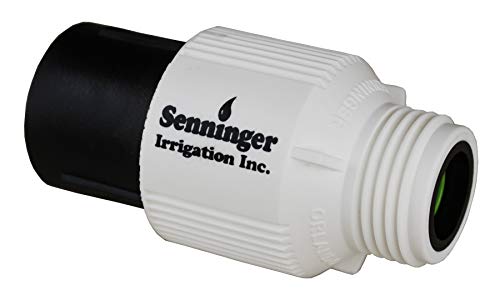
The Senninger PRLG is designed for low-flow irrigation needs. It maintains a constant outlet pressure of 25 PSI over a defined flow range, making it suitable for drip lines and solid-set installations. This regulator is 3/4″ hose-thread compatible and commonly paired with standard outdoor faucets and irrigation manifolds. Best for gardeners who want predictable emitter performance and reduced clogging risk in pressure-sensitive systems.
Who it’s best for: landscape installers and homeowners managing drip systems that require steady 25 PSI. Why selected: renowned for accuracy and long-term durability in water-regulated applications. Caution: intended for low-to-moderate flow; high-flow scenarios may not be ideal.
Breezliy 2-Pack 25 PSI Pressure Regulator

These 25 PSI regulators are built with durable ABS and come in a 2-pack format. They fit standard 3/4″ connections and regulate incoming pressure for drip irrigation and micro-sprinkler networks. Best for DIY projects where multiple zones require consistent pressure without overspending. Consider this option if you need multiple regulators in a single project.
Who it’s best for: budget-conscious setups with several lines. Why selected: value-packed with reliable 25 PSI regulation. Caution: ensure proper installation with correct inlet/outlet threading to avoid leaks.
Rain Bird PRF07530S Drip Regulator With Filter

The Rain Bird PRF07530S combines a 30 PSI regulator with a built-in Y-filter for debris protection. This inline unit reduces system complexity by integrating filtration with regulation, which helps protect downstream emitters. Best for homeowners who want a compact, low-maintenance solution and are dealing with moderate irrigation flows.
Who it’s best for: projects needing integrated filtration and pressure control in a single component. Why selected: simplifies layout and reduces potential leak points. Caution: 30 PSI is slightly higher than exact 25 PSI regulators; verify system requirements before use.
Orbit 67798 30 PSI Regulator & Filter 3-in-1

Orbit’s 3-in-1 unit includes a filter, regulator, and Drip-Lock adapter in a single, straight-flow design. It’s designed to minimize leakage points and simplify installation in standard valve boxes. Best for installers who want fewer connection points and straightforward maintenance.
Who it’s best for: users prioritizing a compact, all-in-one arrangement. Why selected: reduces assembly steps and potential leaks. Caution: 30 PSI regulation may not suit ultra-low-pressure drip systems; check emitter requirements.
Senninger 25 PSI 3/4″ Hose-Thread PRLG
Senninger’s 25 PSI regulator is designed for residential and commercial drip systems, maintaining a steady 25 PSI output across a practical flow range. It emphasizes reliability and continuous performance, suitable for drip lines, soaker hoses, and low-pressure setups. Best for serious irrigation projects where precision matters.
Who it’s best for: professional installations requiring consistent low-pressure operation. Why selected: strong track record in irrigation regulation. Caution: performance depends on matching flow to regulator range; verify flow rates of downstream components.
Vibrant Yard 25 PSI Lead-Free Brass Regulator

This model uses lead-free brass for durability while delivering a nominal 25 PSI output. It connects via standard 3/4″ FHT to MHT threads and fits common outdoor plumbing. Best for users who prefer a robust metal regulator with a familiar metal-to-plastic transition in their irrigation network.
Who it’s best for: users prioritizing a metal regulator for longevity. Why selected: brass construction offers resilience and predictable regulation. Caution: brass can be heavier and pricier than plastic alternatives.
Buying Guide: Key Considerations For Pressure Regulators In Irrigation
- What operating pressure do you need? Most drip systems perform best around 25 PSI, though some components and layouts may tolerate or require 30 PSI. Match regulator output to emitter and tubing specifications.
- What flow range will you support? Regulators have an effective flow range. Ensure the regulator’s minimum and maximum flow align with your zone’s demand to prevent under- or over-pressurization.
- Material and durability: plastic ABS regulators are lightweight and affordable; brass regulators offer durability and longevity in outdoor environments. Choose based on climate and maintenance expectations.
- Integration with filtration and backflow prevention: inline units with filters reduce clogging risk. For complex layouts, choosing 3-in-1 units can simplify installation.
- Thread compatibility: confirm inlet/outlet sizes (commonly 3/4″ FHT to MHT) to fit your hoses, taps, or irrigation manifolds.
- Ease of installation and maintenance: consider units with straightforward connections and accessible filters for quick cleaning.
- Leak risk and location: place regulators in accessible areas to reduce potential leaks and facilitate service in the field.
Frequently Asked Questions
- Do I need a regulator for drip irrigation? Yes, regulators provide consistent emitter flow and protect components from pressure spikes that can cause leaks or nozzle damage.
- What PSI should I use for drip systems? A common target is 25 PSI, but verify emitter requirements and line length since longer runs may benefit from slightly different pressures.
- Can I use more than one regulator in a system? Yes, but plan placement to avoid unnecessary pressure drops and leaks. Multiple regulators are sometimes used for multi-zone setups.
- Do in-line regulators require filters? Not always, but filters help reduce debris that can clog emitters. A unit with an integrated filter is convenient for compact installations.
- Are brass regulators better than plastic? Brass offers durability and heat resistance in outdoor environments, but plastic regulators are lighter and often less expensive. Choose based on climate and budget.
- How do I choose the right regulator for my emitters? Check the regulator’s pressure rating and ensure it matches the requirements of your emitters and tubing. Also consider flow range and compatibility with your system’s overall design.