Maintaining a healthy fescue lawn means stopping weeds before they germinate. This guide reviews five top pre-emergent products that target common fescue weeds and work well in cool-season grasses. Each option offers different active ingredients, application windows, and weed coverage. Read on for objective summaries, installation considerations, and practical buying tips to help you choose the right pre-emergent for your fescue lawn.
| Product | Brand | Key Coverage | Notes |
|---|---|---|---|
| Liquid Harvest Mesotrione 8oz | Liquid Harvest | Broadleaf weeds; some grasses | Pre and post-emergent; water activated |
| Atticus Torocity Herbicide (8oz) | Atticus | Crabgrass, clover, oxalis, dandelion, and more | Flexible timing; pre- and post-emergent activity |
| Prodiamine 65 WDG 5lbs | Quali-Pro | Annual bluegrass, crabgrass, chickweed, goosegrass, many broadleaf species | Established turf; multiple use cases |
| Syngenta Barricade 4FL | Syngenta | 30+ turf weeds; long-lasting prevention | Pre-emergence only; season-long prevention |
| Scotts WeedEx Prevent | Scotts | Crabgrass and other grassy weeds | Season-long prevention; Halts technology |
Note: The table above highlights each product’s general weed targets and usage notes. Always read the product label for exact application timings, rate, and compatibility with your lawn type before purchase.
Liquid Harvest Mesotrione 8oz – Pre and Post-Emergent for Lawns

Overview: This mesotrione-based formula is designed for broad leaf and grassy weed suppression in turf. It functions as both a pre- and post-emergent control option, giving flexibility for newly seeded or established lawns. Activation relies on adequate moisture; water application is recommended if rainfall doesn’t occur within about 10 days. It targets a wide range of broadleaf weeds such as clover, dandelion, and chickweed, while being compatible with common cool-season grasses including Kentucky bluegrass, fescues, and ryegrasses. Dormant bermudagrass can be treated to manage weeds, but some grasses are not ideal targets. Users should expect weed death to progress over several weeks.
Key Points: Broad weed spectrum; water-dependent activation; compatible with tall and fine fescue blends; watch for species restrictions on bentgrass or warm-season grasses.
Atticus Torocity Herbicide 8oz – Flexible Pre/Post Control
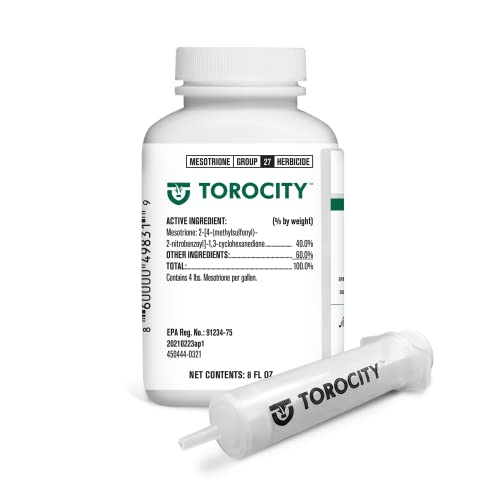
Overview: Torocity leverages a 40% mesotrione formulation for effective weed control in turf, including newly seeded lawns. It supports both pre- and post-emergent applications, providing a wider window to manage emerging weeds and existing ones. The broader spectrum cover includes grassy and broadleaf varieties such as crabgrass, ground ivy, clover, and dandelion. This flexibility makes it a practical option for homeowners who want seasonal preventative and post-emergent options in one product.
Key Points: High concentration active ingredient; application timing versatility; suitable for both new and established turf.
Prodiamine 65 WDG 5lbs – Pre-emergent for Grasses

Overview: Quali-Pro’s Prodiamine 65 WDG is a widely used pre-emergent for both grasses and broadleaf weeds. It targets a broad pest list including Poa annua, crabgrass, chickweed, and numerous other annual grasses and broadleaf species. It’s designed for established turf, lawns, and landscape plantings, with the label outlining compatible uses across nurseries and ornamentals. The product provides a robust barrier against germinating weeds when applied per label directions, helping protect fescue lawns throughout the growing season.
Key Points: Broad weed coverage; suitable for multiple turf types; important to follow label for use in ornamentals and established lawns.
Syngenta Barricade 4FL – Long-Lasting Pre-Emergent

Overview: Barricade 4FL provides preventive weed control by stopping weeds before germination. It’s designed for long-lasting prevention, with recommendations to apply before soil temperatures reach certain thresholds (55 F in winter/spring, below 50 F in fall). It’s a broad-spectrum option that aims to prevent a wide variety of turf weeds, including gam- and winter annuals. The product is suitable for residential turf as well as ornamentals in landscape settings. As with all pre-emergents, timing is critical for maximum effectiveness throughout the season.
Key Points: Long-term preventive protection; temperature-guided application timing; broad species coverage.
Scotts WeedEx Prevent with Halts
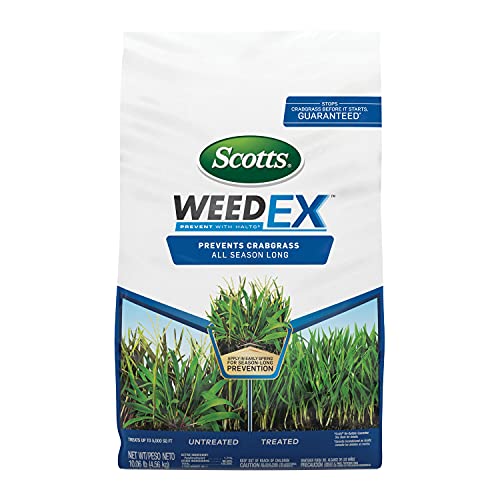
Overview: Scotts WeedEx Prevent is designed to stop crabgrass and other grassy weeds before they appear, offering season-long preventative protection. The product emphasizes pre-emergent action, and its formulation includes Halts technology to maintain weed suppression through varying weather conditions. For best results, apply in early spring before germination begins or in fall to reduce winter weeds. This product is suitable for homeowners seeking a simple, pre-emergent solution for a wide lawn area.
Key Points: Season-long crabgrass prevention; spring and fall application timing; straightforward lawn maintenance option.
Scotts Turf Builder Halts Crabgrass Preventer
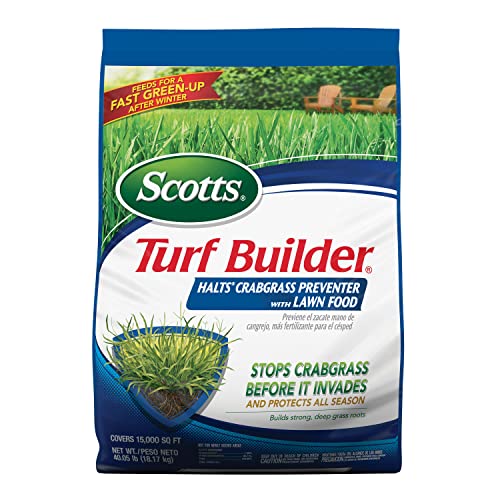
Overview: This Scotts product combines pre-emergent weed prevention with lawn fertilization to support early green-up. It targets listed weeds including crabgrass, foxtail, Poa annua, and oxalis. The product is intended for early spring application before temperatures rise into the hot season, ensuring weed prevention aligns with your lawn’s growth cycle. Users should apply to a dry lawn before mowing and ensure that subsequent weather won’t wash away the product’s residue. It is a convenient choice for combining weed control with basic feeding.
Key Points: Pre-emergent plus fertilizer blend; early spring use; supports early lawn recovery and growth.
Buying Guide: How to Choose the Best Pre-Emergent for Fescue
Active Ingredient: Common choices include mesotrione and prodiamine. Mesotrione offers effective broadleaf and some grassy weed control, often with post-emergent potential. Prodiamine provides strong pre-emergent control across many grass and broadleaf weeds. Review the label to confirm compatibility with fescue varieties and your climate.
Application Window: Pre-emergents require proper timing tied to soil temperature and weed emergence. Some products are most effective when applied in early spring or fall, while others offer more flexible timing. Temperature guidance on the label helps plan timing relative to seasonal germination patterns.
Grass Compatibility: For fescue lawns, ensure the product is compatible with cool-season grasses and not labeled for warm-season turf. Some products are suitable for established lawns, while others target newly seeded or sodded areas; verify on the product label.
Weed Spectrum: Consider whether you need prevention for crabgrass, foxtail, chickweed, clover, dandelion, oxalis, and Poa annua. Some products are broad-spectrum, while others are more selective. A combination approach may help cover a wider range of weeds.
Water and Activation: Some formulations require rainfall or supplemental irrigation to activate. If you live in dry regions, you may need to schedule irrigation to ensure effectiveness as directed by the label.
Safety and Use: Read the label for landscape plant compatibility, spray drift precautions, and environmental considerations. Pre-emergents may impact desirable plants if misapplied or drifted onto garden beds, so apply with proper coverage and follow local guidelines.
Cost and Availability: Availability on major retailers and the brand’s reputation are practical considerations. Look for packaging sizes that fit the size of your lawn and your typical application rate to estimate coverage and value.
For best results, create a simple lawn care plan that aligns with your fescue’s growth cycle. Pair pre-emergent application with proper mowing height, irrigation, and seasonal fertilization to maintain a resilient lawn that resists weed establishment year after year.