Answer: Pound-in plastic landscape edging is the easiest way to create clean, durable borders around beds, paths, and lawns with minimal ground preparation. This guide highlights five top options, explaining who each is best for and why. Ideal buyers include DIY homeowners seeking fast installation, gardeners needing durable weather resistance, and those prioritizing flexible edging for curves and corners.
Top picks overview
- EasyFlex Pound-in Landscape Edging with Bonus Anchoring Stakes (3500-20CXX-3) — best for beginner DIYers needing extra anchoring security.
- EasyFlex Pound-in Landscape Edging with Anchoring Stakes (3500-20C-3) — best for a complete kit with stakes to keep ends in place.
- Gardener’s Supply Easy Pound-in Landscape Edging Kit (20 ft, 4″ height) — best for multi-purpose borders and weather resistance.
- Master Mark Dig-Free Poundable Pound-In Landscape Edging — best for dig-free installation with a decorative scallop edge.
- Greenscapes 3-Foot Plastic Green Edging (4-Pack) — best for light-duty, flexible edging with quick setup.
EasyFlex Pound-In Edging With Bonus Stakes
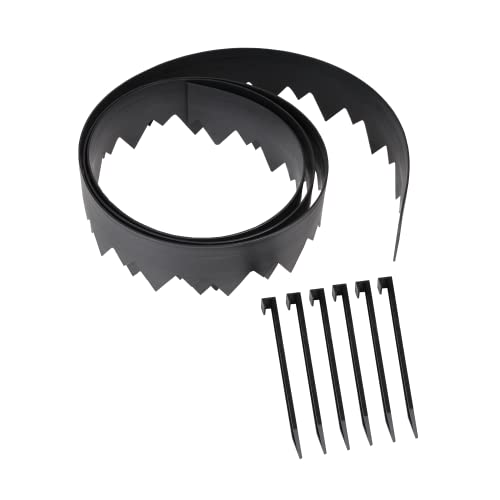
This 20-foot kit features a 4.5-inch tall straight-top plastic border with included bonus anchoring stakes. Best for beginner DIY projects that require reliable end-to-end stability and simple ground prep. The edging is described as durable and flexible, capable of forming straight lines or tight curves around plants and trees. Suitable for lawns and garden beds where a clean, low-maintenance edge is desired. Caution: ensure the ground is scored evenly and avoid forcing the edging into extremely rocky soil, which can hinder a clean insertion.
Who it’s best for: first-time DIYers, homeowners seeking quick setup, and those who want a ready-made kit with stakes for peace of mind. Why selected: it combines easy installation with a sturdy, recycled-plastic construction that resists bending and cracking over time.
EasyFlex Pound-in Landscape Edging With Anchoring Stakes

This edging kit includes a 20-foot serrated coil of black landscape edging and two heavy-duty anchoring stakes. It’s designed for do-it-yourself installation with minimal ground preparation. To install, score the ground about 2 inches deep around your design, place the edging, and gently push or hammer with the serrated edge facing down. Best for projects that need a strong hold and straightforward staking. Caution: heavy-duty staking improves hold, but improper hammering can misalign the edging ends.
Who it’s best for: homeowners who want a robust kit with stakes that keep borders in place through seasonal changes. Why selected: the kit’s serrated edging and included stakes are practical for straight runs and gentle curves in moderate soil.
Gardener’s Supply Easy Pound-in Landscape Edging Kit (20 ft, 4″ tall)

Designed to create a well-defined edge with a clean finish, this edging kit uses weatherproof recycled plastics. It supports curves and crisp angles, allowing borders around garden beds, pathways, and defined plant borders. Height is 4 inches and coverage is 20 feet. Best for gardens where a tidy, professional look is desired and soil is loose or sandy. Caution: entry height and soil type influence the throw of mulch or soil against the border, so plan for landscape material height accordingly.
Who it’s best for: gardeners seeking a sturdy, weatherproof border that can handle curvy lines and layered mulch. Why selected: proven footprint with easy installation and a design that blends with low-maintenance garden aesthetics.
Gardener’s Supply Easy Pound-in Landscape Edging Kit (20 ft, 4 inches tall, another option)
This kit is positioned as a versatile border system for garden landscaping edges. It emphasizes easy installation by pounding the edging into the ground, with flexibility to form curves and angles. Best for establishing neat garden borders around beds or delineating pathways. Caution: while durable, it relies on stable soil; very rocky or compact soil may require preparatory loosening for best results.
Master Mark Dig-Free Poundable Edging (20 ft)

Master Mark Bordermaster Edging offers a dig-free installation with a decorative scalloped edge, suitable for elevated borders around planting beds and walkways. It uses HDPE plastic for durability against outdoor elements. Best for projects where a decorative edge and long-term stability are prioritized. Caution: dig-free does not mean no effort; you still need to pound the edging into the ground and may need a rubber mallet to seat it properly.
Gardener’s Supply Easy Pound-in Edging Kit (20 ft, 4 inches tall, second option)
This kit mirrors the Pound-in Landscape Edging concept with a 20-foot length and 4-inch height. It highlights easy installation, weatherproof materials, and adaptability for borders around beds and pathways. Best for gardeners who want a classic, high-visibility edge with straightforward installment. Caution: ensure ground is evenly scored to prevent uneven edges or gaps at joints.
Greenscapes 3-Foot Plastic Edging (4-Pack)

Greenscapes offers a lighter-duty option: a 3-foot plastic edging pack with four pieces. Made for general lawn and garden edging needs, it is flexible enough to follow curves and provide a simple boundary for plant beds. Best for budget-conscious projects or smaller borders. Caution: shorter length means more joints; plan for multiple pieces if a long continuous border is required.
Buying Guide: Pound-In Landscape Edging Compared
What matters most when choosing pound-in edging?
- Materials and durability — Most edging uses recycled plastic or HDPE. Look for UV resistance and weatherproofing for long-term color retention and rigidity.
- Height and length — Taller edging (4 inches or more) provides more mulch containment and visual impact. Length (20 ft vs multi-pack) affects the number of joints and installation time.
- Installation method — Pound-in edges require ground preparation, often just scoring the soil. Dig-free or interlocking designs may offer faster setups with less soil disruption but can require precise alignment.
- Flexibility and curves — For irregular beds or curves, flexible edging or modular interlocking panels help maintain clean lines without breaks in the border.
- Anchoring and stability — Stakes and serrated edges improve end-to-end stability, especially in windy areas or high-traffic borders.
- Soil compatibility — Loose or sandy soils are generally easier to work with than clay or rocky soils. Some products are better suited for challenging soils with extra anchoring.
How to choose by garden goal
- If you want a quick, tidy border around a flower bed, choose edging with a higher profile (4 inches) and ready-made anchoring hardware.
- For long straight borders along a lawn, consider a kit with a continuous length (20 ft) and durable stakes to prevent movement.
- For decorative pathways, select edging with a scalloped or decorative edge and a dig-free option if you want minimal soil disturbance.
- For budget projects with light-duty use, smaller packs or four-piece options can cover small borders efficiently.
Installation tips and best practices
- Score the ground evenly around the border design to ensure a clean insertion.
- Place edging with the serrated side facing down (if applicable) to improve grip in soil.
- Avoid forcing edging through extremely compact or rocky soil; loosen the ground first for a smoother install.
- Use anchoring stakes where provided to prevent movement at the ends and corners.
- Test-fit curves before driving edging fully into the ground to reduce rework.
FAQs
- What is pound-in landscape edging best for? It is ideal for quick, durable borders around beds and pathways with minimal ground preparation.
- Can I install edging in curves? Yes, many edging systems are designed to bend and curve; choose a flexible or interlocking option for best results.
- Do I need stakes for all edging? Stakes improve stability, especially at ends and corners, but some kits rely on friction to stay in place in soft soil.
- Is HDPE edging better than recycled plastic? HDPE is generally more durable and resistant to cracking, but both materials offer weather resistance when rated for outdoor use.
- How long does installation take? Straight runs can complete quickly (an hour or less for 20 ft), while curved beds may require more time for shaping and alignment.
- Should edging be concealed or visible? This depends on preference; many borders are designed to be discreet, while some decorative options emphasize a visible edge.
Note: This article highlights multiple pound-in edging products and describes typical use cases, installation considerations, and potential limitations. Always verify product details and installation specifics from the retailer listing before purchasing.