Choosing the right potting soil is essential for healthy tomato plants, especially in containers or raised beds. This guide highlights top potting mixes that support strong roots, balanced moisture, and robust yields. Each option below is formulated to help tomatoes develop well-drained, nutrient-rich root zones, whether you cultivate in pots, planters, or garden beds. Compare blends with biochar, organic nutrients, and moisture-control features to find the best fit for your space and climate.
| Product | Brand | Key Benefit |
|---|---|---|
| Wakefield Premium Biochar Blend – Organic Potting Soil for Tomatoes | Wakefield Biochar | Biochar for improved nutrient uptake and moisture management |
| Miracle-Gro Potting Mix for Container Plants (2-Pack) | Miracle-Gro | Feeds up to 6 months for bigger, more colorful blooms |
| Miracle-Gro Potting Mix for Container Plants (16 qt, 2-Pack) | Miracle-Gro | Extended feeding for larger containers and longer-lasting soil |
| Burpee Organic Premium Potting Mix | Burpee | All-natural mix with coconut coir and instant feeding |
| FoxFarm Ocean Forest Potting Soil | FoxFarm | Moisture-retaining, pH-balanced blend for diverse plants |
Wakefield Premium Biochar Blend for Tomatoes

Wakefield’s premium potting soil combines biochar with Humic acid and the proprietary CarbonBoost technology. This blend supports strong root systems and steady nutrient availability, making it suitable for tomatoes in containers and raised beds. The formula emphasizes enhanced microbial activity for long-term fertility, with smart hydration features to balance moisture and drainage. Ideal for gardeners seeking a high-tech soil amendment that also serves as potting soil for indoor and outdoor use.
Miracle-Gro Potting Mix for Containers – 8 Quart (2-Pack)

This Miracle-Gro mix feeds container plants for up to six months, promoting more blooms and color. The bundle includes two 8-quart bags, suitable for filling several 8-inch containers. It’s designed to help plants grow bigger with consistent nutrition, making it a solid choice for tomato containers or mixed plant setups where longer fertilizer life is desired.
Miracle-Gro Potting Mix for Containers – 16 Quart (2-Pack)
This larger twin-pack provides extended feeding for bigger containers, with guidance on how to prep a container and plant placement. Each 16-quart bag fills one large 12-inch container and supports sustained growth for tomatoes and other vegetables in a controlled environment. It’s a straightforward option for hobby gardeners seeking reliable nutrient delivery over several months.
Burpee Organic Premium Potting Mix

This all-natural mix includes coconut coir and plant food, with OMRI certification for organic use. It’s designed for containers and raised beds, providing instant feeding followed by slow-release nutrition for up to three months. Coconut coir helps retain moisture, supporting tomato growth in varied climates while promoting even hydration and nutrient uptake.
FoxFarm Ocean Forest Potting Soil – 12 Qt

FoxFarm Ocean Forest is a premium, all-in-one potting soil designed to support a wide range of container plants. It includes aged forest products, sphagnum peat moss, worm castings, bat guano, and fish emulsion to enhance moisture retention and nutrient uptake. Its pH-balanced formula helps optimize nutrient availability for tomatoes and other crops across varied growing conditions.
Back to the Roots 100% Organic Potting Mix
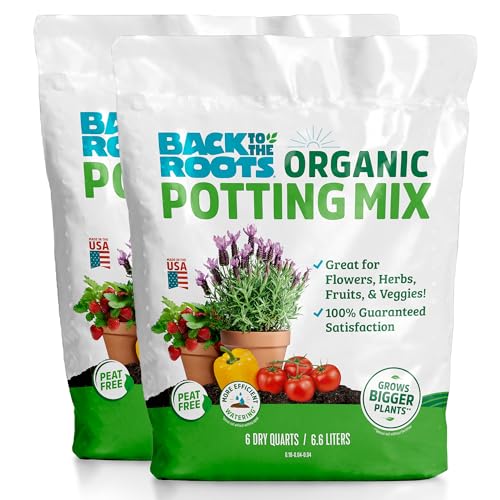
Back to the Roots offers a peat-free, 100% organic potting mix made from upcycled plant matter and wood fines. It’s designed for all-purpose use, including tomatoes in containers or beds. The formulation emphasizes moisture control via yucca extract and natural pH balance through dolomitic limestone, providing a lighter carbon footprint and reliable performance for diverse plantings.
GARDENERA Premium Organic Potting Soil For Tomatoes

This 2-quart bag blends Coco Coir, Canadian Peat Moss, Perlite, and Worm Castings to promote rapid root development. It emphasizes super moisture drainage and nutrient retention, closely mimicking natural outdoor conditions. The mix is positionable for tomato seedlings and container-grown vegetables, providing a balanced environment for steady growth and flavor development.
Buying Guide: Key Considerations For Potting Soils For Tomatoes
- Nutrition and feeding duration: Look for blends with slow-release nutrients or additives like compost, worm castings, or federated plant foods to minimize frequent fertilization.
- Moisture management: Tomato plants prefer consistent moisture. Choose mixes with moisture-retentive components (coco coir, bark, or peat) paired with good drainage (perlite, vermiculite) to prevent soggy roots.
- Soil structure and aeration: A loose, well-aerated mix supports robust root systems and air exchange. Biochar or is organic matter additions can improve microbial activity and fertility over time.
- pH compatibility: Tomatoes thrive in slightly acidic to neutral soil (pH roughly 6.0–6.8). Many premium mixes advertise pH stability or are designed for broad plant compatibility; test if needed.
- Container vs. in-ground use: Container soils must balance drainage with moisture retention. Raised beds may benefit from richer organic matter and larger particle sizes for root expansion.
- Organic vs. synthetic: Organic blends appeal to sustainability goals and OMRI listings, often at a higher price. Synthetic-enriched mixes may provide more immediate nutrient availability.
- Climate and watering regimen: In hot, dry climates, select potting soils with moisture-retentive properties and consider more frequent monitoring to avoid drought stress.