Choosing the right potting soil is essential for lemon trees, whether you’re growing Meyer lemons indoors or fruiting varieties outdoors in containers. The ideal citrus mix offers balanced nutrients, excellent drainage, and proper pH for robust root development and fruit production. Below, you’ll find five citrus-focused potting soils that are highly regarded for lemon trees, with practical details to help you compare options quickly.
| Product | Brand | Key Benefit |
|---|---|---|
| DUSPRO Recycle Citrus Tree Potting Soil Mix | Duspro | Specialized for citrus with excellent drainage and balanced nutrients |
| Miracle-Gro Cactus, Palm & Citrus Potting Mix | Miracle-Gro | Fast-draining formula with built-in Plant Food |
| GARDENWISE Organic Lemon Tree Soil | GARDENWISE | Organic fertilizer included; optimized pH and drainage |
| Citrus Tree Potting Soil Mix (Soil Sunrise) | Soil Sunrise | Enhanced aeration and nutrient retention for citrus |
| GARDENERA Citrus Tree Potting Soil Mix | Gardenera | Professionally blended in the USA with perlite and coconut coir |
Note: The five options above were selected for their relevance to lemon trees and their general availability for home container growing. All products are designed to improve drainage and provide essential nutrients, which are critical for citrus health and fruit production in pots or indoor setups.
DUSPRO Citrus Tree Potting Soil Mix

Duspro’s citrus-focused mix is formulated for citrus health with natural ingredients that are carefully selected and double-screened for quality. The blend emphasizes the right balance of nutrients to support drainage, pH stability, and air pruning, which are all critical for lemon trees in pots.
Key features include a natural formulation designed specifically for citrus, ensuring the potting mix provides adequate drainage and breathable root zones. The mix is pre-mixed and ready to use, simplifying setup for beginners and experienced gardeners alike. It’s available in 6-quart and 10-quart options, suitable for multiple small containers or a larger single pot depending on plant size.
Miracle-Gro Cactus, Palm and Citrus Potting Mix
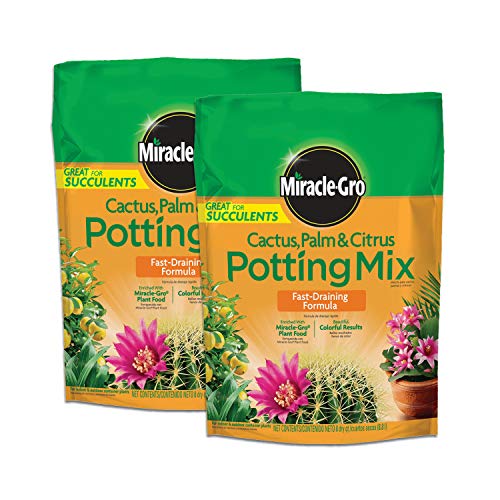
Miracle-Gro’s citrus potting mix features a fast-draining formula enriched with Miracle-Gro Plant Food. This blend is designed to support indoor and outdoor container plants, including citrus trees, by promoting healthy root growth and steady nutrient access. It’s suitable for lemons in pots or planters where drainage is crucial to prevent root rot.
The product is ideal for setups that require reliable drainage while still providing adequate nutrients for ongoing growth. The mix supports diverse citrus varieties and is packaged in a way that makes it easy to replenish nutrients over time through the included plant food blend.
GARDENWISE Organic Lemon Tree Soil

This organic lemon tree soil is enriched with fertilizer intended to sustain plant health for up to six months, reducing how often you must reapply additional nutrients. The mix emphasizes enhanced drainage and aeration with added perlite and coarse sand to prevent waterlogged roots, which is critical for citrus trees in containers. It also maintains a pH suitable for citrus, typically in the 5.5 to 6.5 range, to optimize nutrient uptake.
With organic composition, it appeals to gardeners seeking natural inputs. It’s designed for both indoor and outdoor use, making it versatile for various lemon tree setups and container sizes.
Perfect Plants Citrus Tree Potting Soil Mix

Perfect Plants offers a premium citrus potting soil blend designed for indoor and outdoor citrus trees, including lemons and limes. This mix features a combination of composted pine bark, granite sand, peat moss, and a slow-release fertilizer, delivering a continuous feed for up to a year. The formulation emphasizes medium drainage and a robust nutrient profile, supporting strong root systems and fruitful growth in containers.
The medium drainage profile makes it suitable for pots and planters of various sizes. The included slow-release fertilizer simplifies ongoing feeding, aligning with container growing needs where soil nutrients can deplete more quickly than in ground soil.
Buying Guide: Key Considerations For Lemon Tree Potting Soils
- Drainage and aeration: Lemon trees dislike waterlogged roots. Look for mixes with perlite, coarse sand, or sphagnum moss components that promote drainage and air flow.
- pH and nutrient balance: Citrus plants prefer slightly acidic conditions. A soil mix with a pH range around 5.5–6.5 helps optimize nutrient uptake. Ensure the blend includes or accommodates a balanced nutrient profile, often with slow-release fertilizers or organic amendments.
- Organic vs synthetic inputs: Organic blends (peat, compost, worm castings) support long-term soil health and microbial activity. Synthetic or ready-to-use mixes may offer quick results and easy feeding schedules.
- Consistency and readiness: Pre-mixed potting soils are convenient for beginners. If you prefer custom blends, a base mix with mineral components (like lime for pH balance) allows tailored adjustments.
- Container size and growth stage: Choose a soil with appropriate nutrient density for the plant’s life stage. Young lemon trees may benefit from lighter feeds, while mature trees often need richer mixes with longer-lasting nutrients.
- Organic certification and sourcing: For gardeners seeking chemical-free options, consider blends that emphasize organic ingredients and sustainable sourcing.
- Reusability and composting: Some organic soils can be refreshed with compost or compost tea. Consider whether you want a mix you can top-dress or mix with fresh amendments over time.
- Availability and cost: While not a direct horticultural factor, local availability and price influence long-term maintenance, especially for larger lemon trees needing regular soil refreshment.
Choosing the right potting soil involves balancing drainage, nutrient supply, and pH stability to support lemon tree health and fruit production. For container setups, a citrus-specific mix is generally preferable to general-purpose potting soil, as it aligns with the plant’s unique needs and reduces the risk of root problems related to water management and nutrient uptake.