Bonsai care hinges on the soil you choose. The right bonsai potting soil improves drainage, aeration, and moisture retention, helping roots breathe and trees thrive. This guide highlights five dependable bonsai soil blends designed for American homes and indoor spaces, drawing from reputable brands and balanced compositions. Each product below targets key bonsai needs—drainage, aeration, nutrient balance, and suitability for multiple bonsai varieties—so you can select a mix that matches your tree type and growing environment.
Summary of chosen products:
| Product | Brand | Approx. Size | Main Benefit |
|---|---|---|---|
| Bonsai Soil by Perfect Plants – 2qts | PERFECT PLANTS | 2 quarts | Essential nutrients; great water management |
| Premium Bonsai Soil Mix – 4 Quarts | Agra Life | 4 quarts | Optimal drainage and organic ingredients |
| Bonsai Soil All Purpose Mix – 2 Quarts | JK Global Imports | 2 quarts | Ready-to-use, fast draining blend |
| Bonsai Soil by Perfect Plants – 8qts | PERFECT PLANTS | 8 quarts | Water retention with strong drainage |
| The Soil Sage 5qts – Premium Bonsai Mix | The Soil Sage | 5 quarts | Akadama, pumice, lava rock blend with high drainage |
The following sections profile each pick with a concise overview and the specific features that support healthy bonsai growth in typical home environments.
Bonsai Soil by Perfect Plants – 2qts

This premium, all-purpose bonsai mix emphasizes essential nutrients and consistent long-term enrichment. It’s designed for conifers and broad bonsai varieties, offering solid water management to drain excess moisture while retaining enough moisture for roots to stay hydrated between waterings. Produced by Perfect Plants in the USA, the blend is marketed to work across many bonsai types, including junipers and pines, making it a versatile choice for mixed collections.
Premium Bonsai Soil Mix – 4 Quarts

Designed for indoor bonsai thriving in varied environments, this mix emphasizes drainage and aeration while providing a balanced nutrient profile. It is positioned as versatile for all bonsai types, from junipers to ficus, and uses organic ingredients to support healthy growth without harsh chemicals. The blend targets optimal root-zone conditions for indoor bonsai displays and accent plants inside homes or offices.
Bonsai Soil All Purpose Mix – 2 Quarts
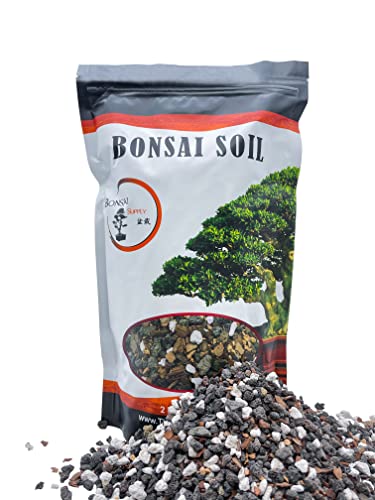
This pre-mixed, fast-draining bonsai soil blend is built for ease of use. It balances drainage, pH, water retention, and aeration to support robust root systems. The formula is suitable for all bonsai varieties and container-grown plants, emphasizing locally sourced aggregates in the USA to back domestic production standards.
Bonsai Soil by Perfect Plants – 8qts

An extended-size version of Perfect Plants’ all-purpose mix, this 8-quart bag emphasizes essential vitamins and water retention while maintaining drainage. It’s formulated for multiple bonsai types and made in small USA batches, appealing to enthusiasts who keep larger collections or want a readily available long-term soil supply for repotting cycles.
The Soil Sage 5qts Premium Bonsai Mix

Crafted as a carefully formulated blend, this mix combines akadama, pumice, lava rock, and pine bark fines to deliver superior drainage and aeration. The pumice and lava rock components promote rapid drainage, while akadama and pine bark help retain moisture without compaction. The result is a well-balanced substrate that supports strong root development in a wide range of bonsai styles.
Buying Guide: Key Purchase Considerations
When choosing bonsai soil, several factors influence long-term health and care ease. Consider the tree species, container size, climate, and how often you water. Here are the main perspectives to weigh:
- Drainage vs. moisture retention: Fast-draining mixes reduce root rot in warm climates or humid indoor spaces, while blends with moisture-retaining components help trees in dry environments.
- Aeration and particle size: A well-aerated mix prevents compaction, allowing oxygen to reach roots. Look for blends containing pumice, lava rock, or akadama for good airflow.
- Organic vs. inorganic components: Organic blends provide nutrients but may require more frequent fertilization. Inorganic mixes often drain quickly and require less maintenance but may need more precise watering.
- Tree compatibility: Some species prefer slightly acidic to neutral pH; others tolerate wider ranges. Choose a mix designed for all bonsai varieties or tailor to your specific species.
- Ease of use: Pre-mixed, ready-to-use blends minimize effort and mess, ideal for beginners. Larger bags suit ongoing repotting schedules for seasoned hobbyists.
- Local availability and US production: Locally sourced components and U.S.-made blends can reduce shipment time and support domestic growers.
Practical guidance for selecting a mix includes matching your bonsai environment to the soil’s drainage profile. For hot indoor spaces, a lighter, faster-draining formula with pumice and lava rock may prevent root suffocation. In cooler climates with heavier seasonal rainfall, a blend with pinch of akadama and pine bark fines can provide controlled moisture retention. Finally, consider your repotting cadence; larger trees benefit from blends that remain stable for longer periods between repots, while younger trees may need more frequent refreshes.
To maximize results, supplement soil with appropriate fertilization and monitor root health after repotting. A good practice is to repot every 1–3 years, depending on tree maturity and pot size. Pairing a high-quality soil mix with proper watering, light, and feeding schedules will support robust, attractive bonsai growth over time.