Rubber plants thrive in well-draining, nutrient-rich soil that preserves moisture without becoming waterlogged. The right potting mix supports robust root growth, reduces gnats, and nurtures vibrant foliage. Below is a curated guide to five top potting mixes that suit rubber plants and similar houseplants, with practical notes on usage, moisture control, and organic options. Each product is evaluated for indoor compatibility, drainage, and long-term feeding. A quick product summary follows to help you compare at a glance.
| Product | Brand | Key Benefit |
|---|---|---|
| Miracle-Gro Houseplant Potting Mix | Miracle-Gro | Less prone to gnats; balanced for indoor plants |
| Back to the Roots 100% Organic Indoor Potting Mix | Back to the Roots | Moisture retention with root-boosting mycorrhizae |
| Burpee Premium Organic Potting Mix | Burpee | All-natural, coconut coir-based moisture retention |
| Miracle-Gro Cactus, Palm and Citrus Potting Mix | Miracle-Gro | Fast-draining formula for succulents and tropicals |
| Miracle-Gro Organic Indoor Potting Mix | Miracle-Gro | Protects against over- and under-watering; OMRI listed |
Miracle-Gro Houseplant Potting Mix Review

Miracle-Gro Houseplant Potting Mix is designed for indoor varieties such as pothos, spider plants, and philodendrons. It blends perlite, sphagnum, and peat moss to enhance drainage while retaining enough moisture for rubber plants between waterings. The mix is formulated to be less prone to gnats, a common issue in indoor pots, making it a practical choice for home environments where eggs and larvae thrive in damp soil. This option is ideal for routine repotting and for plant parents who prefer a ready-to-use soil blend with steady feeding potential.
Back to the Roots 100% Organic Indoor Potting Mix

This organic, peat-free mix emphasizes moisture retention through organic yucca extract and provides root-boosting mycorrhizae for healthier growth. The combination helps rubber plants manage indoor humidity and watering schedules more predictably. With a focus on sustainability, the mix supports healthier roots and nutrient uptake while minimizing environmental impact. It’s suitable for a wide range of indoor containers and aligns with eco-conscious growing practices.
Burpee Premium Organic Potting Mix

Burpee Organic Premium Potting Mix combines coconut coir with organic plant food to support seed and root growth for a variety of container plants. This mix is OMRI listed for organic use and features moisture retention properties that help rubber plants maintain balanced hydration without overwatering. It’s well-suited for indoor pots or raised beds and provides a sustainable, ready-to-use medium that delivers steady nourishment over time.
Miracle-Gro Cactus, Palm and Citrus Potting Mix
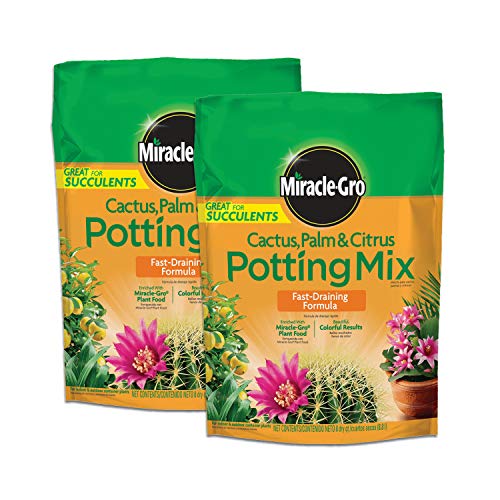
This blend is designed for fast drainage, making it appropriate for cacti and tropical plants that dislike soggy soil. While geared toward succulents and palms, its lightweight texture can work for rubber plants placed in containers with multiple drainage holes. It’s enriched with plant food to support growth, while its quick-draining formulation reduces the risk of root rot in environments with inconsistent watering.
Miracle-Gro Organic Indoor Potting Mix

Miracle-Gro Organic Indoor Potting Mix emphasizes protection against over- and under-watering, a common concern for rubber plants kept indoors. It blends sphagnum peat moss, coir, and quick-start fertilizer to support a range of indoor container plants, including starting seeds. The organic composition targets a balanced water-holding capacity with improved drainage, reducing the risk of soggy roots while supplying nutrients over time.
Buying Guide: Key Purchase Considerations
- Drainage versus moisture retention: Rubber plants prefer well-draining soil. Look for mixes that combine perlite, coir, or pumice with organic matter to avoid waterlogged roots.
- Organic versus synthetic feeding: Organic options (coir, peat, mycorrhizae) support long-term health, while quick-release fertilizers can boost growth early but may require careful management.
- Container and pot size: Choose a mix that accommodates your pot size and encourages air space around the roots. For mature rubber plants, consider a slightly larger pot with ample drainage.
- Gnat resistance: Some indoor mixes are formulated to reduce gnats by improving drainage or incorporating pest-resistant components. If gnats are a concern, prioritize those blends.
- Environmental impact: Peat-free or organic mixes reduce environmental impact. If sustainability matters, prioritize peat-free formulas and OMRI listings where available.
- Cost and availability: Stock levels and price vary. For best value, compare multi-pack options that suit your plant collection and repotting schedule.
- Compatibility with other plants: If you grow a diverse indoor garden, a versatile indoor mix might simplify care, but don’t overlook cactus/succulent blends if you also keep drought-tolerant species.
Across these options, rubber plants benefit from a medium that provides steady moisture without staying saturated. For most households, an indoor potting mix with balanced drainage, organic content, and a mild fertilizer profile offers predictable results. When selecting, consider your watering routine, pot size, and whether you prefer peat-based or peat-free formulations. Each product listed above offers distinct advantages—from moisture retention and root health to gnats suppression and organic certification—so you can tailor your choice to your plant’s needs and your growing environment.