Lemon trees thrive when potted with the right mix of drainage, soil, and space for roots to breathe. This guide curates popular Amazon options that pair well with lemon and other citrus varieties, spanning self-watering plans, oversized pots for mature trees, and soil mixes designed to improve drainage and nutrient retention. Each option is evaluated for drainage, material durability, and ease of use in indoor and outdoor setups.
| Product | Type | Suggested Use | Key Benefit |
|---|---|---|---|
| GARDENWISE Organic Lemon Tree Soil – Citrus Potting Mix | Soil Mix | Potted lemon trees, Meyer lemons | Optimized pH and long-lasting organic fertilizer |
| RooTrimmer 3-Pack Jumbo Planters | Planters | Indoor/outdoor tall plants | Rolling saucers for mobility; built-in drainage features |
| GRO Pro Nursery Pot 15 Gallon | Pot | Large lemon trees; mature citrus in containers | Durable heavy-duty construction |
| Gardenera Premium Lemon Tree Soil Mix | Soil Mix | Indoor/outdoor citrus containers | Balanced drainage and nutrient retention |
| Garden Elements Indoor/Outdoor Glazed Brushed Planter | Planter | Decorative citrus displays | Stylish, durable all-weather design |
Gardenwise Organic Lemon Tree Soil – Citrus Potting Mix

Gardenwise’s Citrus Potting Mix is designed to support lemon trees in containers by providing a nutrient-rich baseline, extended fertilizer availability, and improved drainage. The mix includes organic fertilizer that lasts up to six months, helping maintain healthy growth with minimal maintenance. It features added perlite and coarse sand to promote drainage and aeration, reducing the risk of root rot in pots. The pH is optimized for citrus plants, targeting a range between 5.5 and 6.5, which is favorable for most lemon varieties.
Ideal for Meyer lemons and other citrus, this soil mixes well with standard potting containers and can be used for both indoor and outdoor arrangements. Users should monitor watering to maintain evenly moist soil without waterlogging, especially in tighter pots where drainage is less forgiving. The organic fertilizer aspect reduces the need for frequent feeding, though occasional top-ups with citrus-specific nutrients may be beneficial during heavy fruiting periods.
RooTrimmer 3-Pack Jumbo Planters with Rolling Saucers

These 15.7-inch jumbo planters provide ample space for young to mid-size lemon trees, offering a robust footprint for root growth. The set includes thickened rolling saucers for easy movement across floors and outdoor surfaces, helping prevent floor damage when repositioning near windows or patios. The planters include a smart water control system with a detachable drainage tray, enabling quick removal of excess water—reducing root rot risk in environments with variable humidity. Built-in drainage holes enhance aeration and drainage, essential for citrus in containers.
Constructed for durability, the planters are suited to both indoor and outdoor use. They pair well with soil mixes designed for citrus and can accommodate larger trees as they mature. While they are not insulated planters, their size provides enough soil volume to minimize temperature swings and help stabilize root temperature, especially when placed in sunnier, reflective spaces. Regular watering and occasional root pruning can help maintain tree vitality in a container setting.
GRO Pro Premium Nursery Pot 15 Gallon
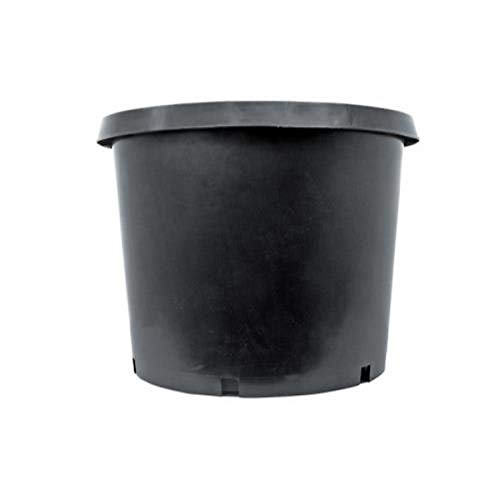
The GRO Pro 15-gallon nursery pot delivers heavy-duty construction suitable for larger lemon trees that require more root space. The thick black plastic and injection-molded design emphasize durability, which is beneficial in outdoor environments where pots face sun exposure and wind. The generous size helps trees establish a robust root system and supports substantial canopy growth over time. Users should ensure adequate drainage in any large container—consider adding a layer of coarse gravel or a bottom insert to improve airflow and prevent soil compaction.
For best results, pair these pots with a well-draining soil mix specifically formulated for citrus. Container lemon trees benefit from nutrient-rich substrates and regular feeding schedules appropriate to their growth stage. The large volume of soil also means watering infrequently but deeply, allowing roots to explore the medium and prevent surface drying that can stress shallow-rooted citrus. Monitor for root crowding as the tree grows and consider repotting when roots begin to circle the pot.
Gardenera Premium Lemon Tree Soil Mix

Gardenera’s premium soil mix targets Citrus Limon trees in containers, balancing peat moss, perlite, worm castings, and lime. This blend emphasizes drainage and aeration while promoting nutrient retention—vital for container-grown citrus. The inclusion of worm castings adds beneficial microorganisms that support root growth and nutrient uptake. The blend is designed to be used in both indoor and outdoor container gardening, providing a stable environment for lemon trees that require steady moisture without becoming waterlogged.
Users should be mindful of acidity levels and monitor moisture, especially in warm, dry climates where pots can dry out faster. While this mix offers good nutrient support, citrus trees in pots often benefit from supplemental calcium and micronutrients during fruiting. Regular soil checks and light top-dressing with citrus-specific fertilizer can help maintain vigor and fruit production without overloading the root system.
Dorcy 12 Inch Self Watering Planter

The Dorcy 12-inch self-watering planter features a deep reservoir and a multi-mesh drainage system that supports consistent moisture while allowing adequate air exchange. With a capacity of about 60 ounces in the reservoir, it can sustain plants for 2–3 weeks between waterings, depending on climate and sun exposure. The 6.5mm thick plastic construction is sturdy yet lightweight, offering a modern aesthetic suitable for indoor use or on patios. The removable feeder simplifies maintenance, and the bottom tray helps protect surfaces from leakage.
For lemon trees, this pot helps manage watering cycles, reducing the risk of overwatering—common with citrus in containers. It pairs well with a high-quality citrus soil mix and a balanced fertilization plan. The planter’s size accommodates medium to moderately large trees, though very mature lemons may require larger pots as the root system expands. If used outdoors, consider protection from extreme temperatures and ensure adequate drainage to prevent water stagnation.
Garden Elements Glazed Brushed Planter

The Garden Elements glazed brushed planter offers a stylish, durable option for showcasing lemon trees. The design mimics ceramic aesthetics with a glossy finish and brush-textured accents, available in bold colors to match modern decors. Its dimensions—15 inches in top diameter, 12 inches tall, and a relatively light weight—provide a stable footprint while remaining easy to move. The all-weather plastic construction ensures UV resistance for year-round use, making it suitable for sun-drenched patios or bright indoor spaces.
These planters are best used with well-draining citrus soil mixes and a regular fertilization schedule aligned with the tree’s growth phase. The wide opening facilitates root expansion, while the tapered base helps minimize tipping risk for top-heavy lemon trees. Pair with a self-watering or drip irrigation setup if you are away for extended periods, and ensure proper drainage to prevent root issues during wet seasons or overwatering scenarios.
Buying Guide: Key Purchase Considerations
When selecting pots and soil for lemon trees, consider the following factors to optimize growth and fruiting in containers:
- Container size and root space: Choose pots that allow at least 1–2 inches of root room beyond the canopy radius; larger trees will require bigger pots to sustain vigor and fruit production.
- Drainage: Citrus roots rot easily in waterlogged soil. Look for pots with drainage holes and consider add-on drainage inserts or liners for improved aeration.
- Soil composition: A well-draining mix with a slightly acidic pH (roughly 5.5–6.5) supports nutrient uptake. Organic fertilizers integrated into soil can reduce the need for frequent feeding.
- Watering strategy: Self-watering planters help maintain consistent moisture but require monitoring to avoid stagnation. Traditional pots require consistent, balanced watering schedules.
- Material and durability: Durable plastics resist sun damage; heavier planters provide stability for larger trees but are harder to move. Aesthetic goals aside, consider climate exposure and indoor vs. outdoor use.
- Mobility: Rolling saucers or wheels are advantageous for positions with intense sun or frequent repositioning for light exposure.
- Maintenance: Removable trays and clear drainage paths simplify cleaning and watering, reducing root health risks.
Depth of experience with container citrus growing varies; for beginners, starting with a mid-sized pot and a high-quality citrus soil mix plus a slow-release fertilizer is advisable. More seasoned growers may prefer oversized planters and modular soil blends to manage nutrient delivery precisely. Always monitor for signs of nutrient deficiencies, root crowding, and inconsistent watering, adjusting as the tree matures.