When choosing hydroponic pots, prioritize nets that promote airflow, drainage, and reusability. This guide highlights five top net pot options that suit home gardeners, hobbyists, and small-scale growers. Each product is evaluated for best use cases, material quality, and practicality in common hydroponic setups. If you’re building a Kratky, NFT, or aeroponics system, the right net pots help prevent “wet feet” and encourage healthy root development. The selections below emphasize durability, broad compatibility, and clear labeling to simplify ongoing care.
ORIMERC 12 Pack 3 Inch Net Cups

What You Get: 12 net pots, 12 feet of self-watering capillary wick, and 12 plant labels. The kit is designed for DIY automatic self-watering setups, suitable for orchids, African violets, and other potted plants. Best for hobbyists who want a ready-to-use self-watering system.
Why It Stands Out: Slotted mesh provides good air circulation and drainage, helping prevent overwatering while allowing robust root growth. The 3-inch size fits many standard hydroponic and aquaponic systems, and the wide lip aids alignment in pre-cut holes. Reusability is a plus for recurring plant cycles.
Best For: Small to medium plants that benefit from steady moisture without waterlogging. Ideal for orchid enthusiasts and seed starters who want a simple, reusable option. Caution: The 3-inch pot is sturdy but may be too deep for very shallow channels.
ORIMERC 30 Pack 3 Inch Net Cup Pots

What You Get: 30 net pots, 30 feet self-watering wick, and 30 plant labels. Designed for DIY auto-watering setups, suitable for potted plants and various hydroponic configurations.
Why It Stands Out: Large 3-inch cups with a slotted mesh encourage strong aeration and drainage. The long wick supports consistent moisture during absences. The included labels help keep seedlings organized in busy gardens.
Best For: Gardeners expanding their hydroponic systems or running multiple small plants. Choose this if you want bulk value with reliable self-watering features. Caution: Ensure the hole size matches your grow bed or net pot holder to avoid loose fits.
ORIMERC 2 Inch Net Cups Pots, 30 Pack

What You Get: 30 two-inch net pots, 30 feet of self-watering wick, and 30 plant labels. A compact option for compact grow beds, seedling stages, or small herb gardens.
Why It Stands Out: The smaller diameter makes it ideal for tight spaces or crowded trays. Slotted mesh supports air exchage and root aeration in dense layouts, while the wide lip helps with stability in 2-inch hole cuts. Reusability supports ongoing projects.
Best For: Growing herbs, microgreens, or compact ornamentals in tight spaces. Better for smaller plants; avoid if you need larger container capacity for fruiting crops. Caution: The 2-inch size may require more frequent transplanting as roots expand.
Tmtamye 100 Pack 2 Inch Net Pots
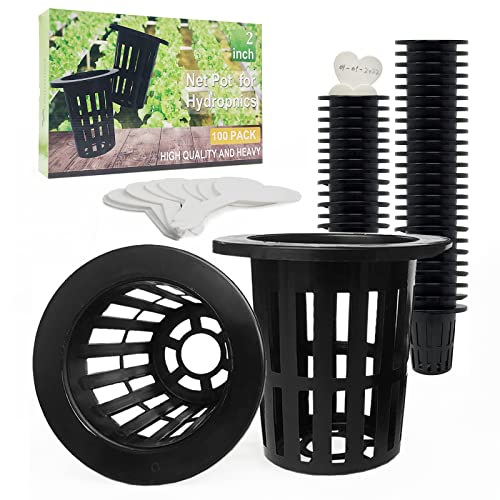
What You Get: 100 two-inch net pots and 20 plant labels, with a focus on durability. The design emphasizes a wide lip and ample gaps for root growth in media such as clay pellets and vermiculite.
Why It Stands Out: Thick, heavy-duty construction supports repeated use in outdoor or greenhouse environments. The wide lip offers easy handling and compatibility with standard 2-inch cutouts. Labels aid labeling and organization in larger projects.
Best For: Growing multiple varieties at scale, seedling trays, or educational kits. Choose this if you need high quantity for a large setup. Caution: Heavier pots may require sturdier racks or racks designed for mass use.
Buying Guide
What to evaluate when selecting hydroponic net pots:
- Size and fit: Match lid or hole dimensions with your grow beds, trays, or jars. Larger cups suit bigger media; smaller cups fit tight setups.
- Material and durability: Look for UV-resistant and BPA-free plastics if used outdoors. Reusability lowers long-term costs.
- Airflow and drainage: Slotted mesh supports root health; ensure gaps are neither too coarse (soil leaks) nor too fine (clogs).
- Moisture management: Self-watering wicks help maintain consistent moisture for vacation care or busy schedules.
- Labeling: Include plant labels to prevent mix-ups in mixed plantings or seed trials.
- Compatibility: Consider whether the pots fit standard net pot holders, styrofoam inserts, or can be used directly in mason jar setups.
How to choose by growing style
- Kratky or passive systems: Prefer deeper cups with ample drainage to avoid waterlogging while roots develop.
- Aquaponics and NFT: Choose pots with robust lips to prevent dislodgement and to fit standard channels.
- Ornamental and herb setups: Smaller cups allow higher plant density and easier microclimate management.
Maintenance tips
- Rinse nets between cycles to remove salt buildup or root debris.
- Inspect for cracks or rough edges; replace damaged pots to prevent injuries to roots.
- Label replacement labels if they fade over time to maintain organization.
Frequently Asked Questions
- Are net pots reusable? Yes, most are designed for repeated use, provided they are cleaned and inspected for wear.
- What size net pots should I choose for orchids? Orchids often perform well with 3-inch or larger pots that provide good airflow and drainage.
- Do net pots affect nutrient uptake? Net pots mainly impact moisture and aeration; nutrient uptake is driven by the solution and media.
- Can I use these nets in mason jar setups? Yes, many 2-inch and 3-inch nets fit mason jar or jar-style Kratky systems when paired with compatible lids or inserts.
- Do all nets include labels? Not all, but several packages combine nets with plant labels for organization.
- Are these nets BPA-free? Most listings emphasize BPA-free materials; verify the product page for confirmation.