Choosing the right container matters when growing fruit trees, whether you’re cultivating dwarf varieties in a backyard, patio, or balcony. The right pot size, material, and design can improve drainage, air circulation, and root health, leading to bigger yield and sturdier trees. This guide features five highly compatible options for fruit trees, spanning biodegradable fabric grow bags to durable plastic and self-contained plant containers. Each product is selected to balance root health, portability, and long-term usability for American gardens and spaces.
Summary of Selected Products
| Product | Brand | Key Benefit | Container Type |
|---|---|---|---|
| CANIPHA 60Pcs Nursery Grow Bags | CANIPHA | Biodegradable, breathable, easy transplanting | Fabric grow bags |
| 5 Pack 15 Gallon Extra Large Grow Bags | MGMGART | Thick fabric, high load capacity, durable for mature trees | Fabric grow bags |
| Belit 100 Pcs Plant Nursery Bags | Belit | Flexible, multiple drainage holes, versatile | Plastic seedling pots bags |
| Russian Pomegranate in a 1 Gal. Grower’s Pot | PERFECT PLANTS | Dwarf fruiting tree with a real pot for easy growing | Grower’s pot |
| American Plant Exchange Arbequina Olive Tree | American Plant Exchange | Fruit-bearing olive in a ready-to-grow container | Potted tree |
CANIPHA 60Pcs Nursery Grow Bags

CANIPHA’s nursery grow bags emphasize healthy root growth through enhanced air permeability and drainage. The deep fabric design helps seedlings access moisture and nutrients without staying waterlogged, reducing root rot and encouraging robust root systems. These biodegradable bags provide an eco-friendly alternative to traditional plastic pots, aligning with sustainable gardening goals. They also simplify transplanting, as roots can penetrate the fabric and bags can be left in the soil after planting, minimizing root disturbance during relocation.
Key features: breathable non-woven fabric, promotes root health, biodegradable, easy transplanting, protects against root rot. These grow bags are well-suited for starting fruit trees and establishing resilient root systems in a range of climates.
5 Pack 15 Gallon Extra Large Grow Bags

This MGMGART set offers extra-large 15-gallon capacity with a true 50 cm (19.7″) diameter and 30 cm (11.8″) height. The fabric is a thick 350 g/m² PET non-woven geotextile—three times thicker than budget options—giving durability against sun and rain for years. Double-stitched nylon handles provide strong load-bearing capability (88+ lbs), enabling easy transport of mature trees. The design supports deeper root systems, making these bags a practical choice for larger fruit trees, shrubs, and robust vegetable crops.
Key features include industrial-strength fabric, long-term weather resistance, durable handles, and compatibility with standard plant saucers. They’re particularly suitable for gardeners aiming to move sizeable fruit trees with minimal soil disruption.
Belit 100 Pcs Plant Nursery Bags

Belit nursery bags provide flexible yet sturdy plastic seedling pots for fruit trees, flowers, and saplings. Their design includes good flexibility to resist cracking during movement and use, ensuring longevity across multiple seasons. A practical feature is the multiple side and bottom drainage holes, which support proper water management and root oxygenation. The bags are broadly adaptable for family gardens, seedling transplantation, and various fruit-tree starter projects, making them a versatile option for hobbyists and small-scale growers alike.
Key benefits: flexible, durable, well-vented, generous drainage, suitable for many plant types. These bags are a straightforward choice for starting fruit trees and transferring them to larger containers later.
Russian Pomegranate in a 1 Gal. Grower’s Pot

The Russian Pomegranate in a standard 1-gallon grower’s pot combines a compact size with fruit-bearing potential. It’s described as self-pollinating and drought-tolerant, with showy flowers and large, red fruit when established outdoors in suitable climates. This option is best for gardeners who want a ready-to-grow fruit tree in a container, suitable for patios, balconies, or sheltered outdoor spaces. It is not intended as a houseplant but works well in warm outdoor zones where pomegranates thrive.
Key considerations: outdoor suitability, self-fertile traits, and a container that supports mature growth without excessive root confinement. It’s a practical step for those pursuing small-space fruit production.
American Plant Exchange Arbequina Olive Tree
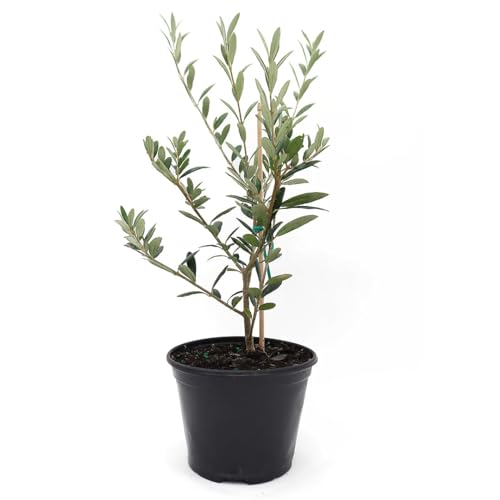
The Arbequina Olive Tree arrives in a five-inch pot and is described as a fruit-bearing, cold-hardy variety suitable for containers, patios, and Mediterranean-style gardens. Beyond ornamental value, it offers culinary potential with edible olives. The tree’s drought-tolerant nature aligns with water-conscious gardening, though container grown trees still benefit from regular watering and occasional fertilization to support fruit production. This option provides a compact, aesthetically pleasing route to a fruit-bearing olive in a contained space.
Key considerations: container-adapted growth, fruit production in pots, and climate suitability for outdoor containers in the U.S.
Buying Guide: Key Purchase Considerations For Fruit Tree Pots
Material and Breathability: Fabric grow bags deliver superior air pruning and drainage, which can promote robust roots for fruit trees. Non-woven fabrics are breathable and biodegradable, but plastic bags may offer durability and a longer lifespan in certain climates. Consider your climate, temperature swings, and movement needs when selecting material.
Size And Depth: Aim for containers that accommodate the tree’s mature root system, with ample depth for roots to expand. For fruit trees, 15-gallon or larger bags often support healthier root structures, especially for dwarf varieties. Ensure the bag or pot includes compatible drainage options to prevent waterlogging.
Weight Capacity And Mobility: Large grow bags with reinforced handles help manage heavier trees and facilitate seasonal repositioning. If you regularly move containers for sun exposure or weather protection, prioritize rugged construction and grips.
Durability And Weather Resistance: Long-term outdoor use requires materials that resist sun exposure, rain, and temperature changes. Multi-year durability reduces the need for frequent replacements and supports consistent fruit production.
Plant Health And Transplanting: Fabric bags support root pruning naturally, potentially improving transplant success. If you plan to transplant, look for bags that allow easy removal or that can stay in the soil during relocation without harming roots.
Aesthetic And Space Considerations: For patios and balconies, visually appealing pots that blend with outdoor decor can enhance your gardening experience. Consider available space, whether upright or wide, to fit your layout and sun access.
Maintenance And Care: Some options require less daily care, while others need periodic checks for moisture and drainage. Synthetic pots may offer lower maintenance but fewer roots-permeation advantages, whereas natural fabrics require occasional cleaning and proper drying between uses.
If you want a quick-start approach, combining a ready-to-grow fruit tree in a container with a breathable grow bag for the long term can yield strong results. For larger, more established trees, robust fabric bags and containers with strong handles help manage weight and ease of relocation across seasons. Always research the specific water, light, and climate requirements of your chosen fruit tree variety to maximize container garden success.