Choosing the right post-emergent herbicide is essential for controlling crabgrass and protecting your lawn. This guide reviews five effective products available on Amazon, highlighting how each works, application timing, and what to expect in terms of results. Whether you’re dealing with established crabgrass or seeking preventive options for next season, the selections below offer broad-spectrum control and practical residual protection to fit a variety of turf needs.
| Product | Brand | Key Benefit |
|---|---|---|
| BASF Drive XLR8 Crabgrass Killer | BASF | Post-emergent control with up to 30 days residual |
| Mesotrione Weed Killer Concentrate (8 oz) by Petra | Petra | Post and pre-emergent weed control with broadleaf and crabgrass impact |
| Atticus Torocity Herbicide (8 oz) | Atticus | Dual pre- and post-emergent mesotrione-based control |
| Scotts WeedEx Prevent with Halts | Scotts | Season-long crabgrass prevention via pre-emergent action |
| Liquid Harvest Mesotrione – 8 oz | Liquid Harvest | Pre- and post-emergent weed killer with broad-spectrum activity |
In the sections that follow, you’ll find balanced, objective reviews of each product. Each review covers how the product works, typical results, application timing, coverage, and any notable considerations for common turf types. All information is aligned with product listings and common-use guidance to help you compare options fairly and make an informed purchase decision.
BASF Drive XLR8 Crabgrass Killer for Lawn & Turf

What it treats and how it works are clearly defined by BASF’s Drive XLR8 formula. This post-emergent herbicide relies on quinclorac as its active ingredient to rapidly suppress crabgrass and other grassy and broadleaf weeds. The label emphasizes 30-day extended residual control, a feature designed to reduce the frequency of reapplication in a typical lawn care schedule. The water-based formulation aids plant uptake, which can translate into faster, visible results, especially under warm-season conditions when crabgrass thrives. A key advantage is its broad-spectrum weed control, addressing stubborn grasses and common broadleaf species such as bindweed, dandelion, and clover. For homeowners seeking reliable, post-emergent suppression with lasting effect, this BASF option aligns with many turf management plans.
The product is marketed as rainfast in less than an hour, minimizing wash-off risk during light precipitation shortly after application. In practice, optimal results typically require following label directions for spacing, temperature, and rate to avoid turf phytotoxicity. While the product is effective on crabgrass, users should assess established lawn types—especially cool-season varieties—to ensure that compatible metering and mowing heights are maintained for best results. Overall, Drive XLR8 is a strong contender for post-emergent control with notable residual protection when used as directed.
Recommendation: Suitable for lawns facing persistent crabgrass pressure and those who want a reliable residual window. Ensure you follow the labeled mixing ratios and rate per 1,000 square feet to balance efficacy with turf safety. Remember to wear protective gear as advised and to water in after application if required by the label.
Mesotrione Weed Killer Concentrate for Lawns (8 oz) by Petra

Key features a powerful combination of post- and pre-emergent weed control in a single concentrate. Petra’s Mesotrione product targets a broad spectrum of weeds, including stubborn crabgrass, dandelion, clover, and other common lawn invaders. The formulation is designed for easy spray application, promoting even coverage and user-friendly mixing. The label explicitly positions this product as a preemergent option for upcoming weed prevention while maintaining strong post-emergent performance, giving you flexibility across seasons. It’s particularly relevant for those seeking a single solution that can both prevent and treat a range of lawn weeds without switching products mid-season.
Application timing matters: timing not only affects immediate weed death but also long-term lawn health. The product works best when used according to the label for your grass type and zone. Coverage is generally described in terms of square footage per bottle, and the ease of use supports homeowners who want straightforward lawn care routines without complicated equipment or steps. As with any herbicide, test on a small area if you are unsure about potential effects on sensitive cool-season grasses.
Effectiveness notes indicate a broad reach against weeds beyond crabgrass, including annual grasses and some broadleaf species. For best results, ensure adequate soil moisture and consider pairing with a compatible mowing and fertilization plan to maintain healthy turf while weeds are suppressed. Petra’s concentrate offers a balanced approach for both preventive and curative weed control.
BASF Drive XLR8 Crabgrass Killer (Another Listing)
Overview mirrors the original Drive XLR8 review with emphasis on Quinclorac-based post-emergent control and robust residual performance. The water-based formulation supports rapid uptake by target weeds, while the 30-day residual protection helps keep turfgrass free from regrowth. It is important to follow the label for rate and spray coverage to avoid stressing susceptible turf varieties. This alternate listing reinforces the same core benefits: effective crabgrass suppression, broadleaf weed control, and quick rainfast performance.
Practical considerations include compatible turf types and local climate. If you are managing lawns with acid soils or higher thatch content, perform a spot test or consult extension guidance to ensure compatibility. When used as part of a broader weed-management plan, this BASF product can contribute to a healthier, more uniform lawn appearance while reducing the need for frequent treatment.
Scotts WeedEx Prevent with Halts
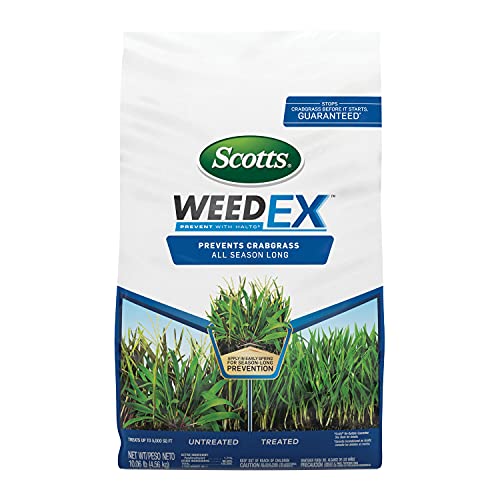
What it does and when to use it is outlined by Scotts’ WeedEx Prevent product. This pre-emergent crabgrass preventer is designed to stop crabgrass before it starts, making it a pivotal tool in early-season lawn care. The product is positioned for use in early spring to confer season-long prevention, while fall applications address winter weeds such as Poa annua, henbit, and chickweed. For homeowners who want to reduce future weed pressure, WeedEx Prevent provides a straightforward preventive option to complement existing post-emergent strategies.
From a practical perspective, this product is best suited for lawns where crabgrass has not yet emerged or is in its very early stages. It’s important to apply according to the label’s timing and coverage guidance to achieve uniform distribution and optimal protection. As with all pre-emergents, reapplication timing coincides with the weed pressure cycle, so plan ahead for season transitions. Users should pair with a post-emergent solution for any weeds that emerge despite preventative treatment.
In terms of lawn compatibility, Scotts WeedEx Prevent is compatible with many warm-season and cool-season grasses, but always verify label compatibility with your specific turf. The product is a strong component of an integrated weed management plan designed to reduce annual crabgrass outbreaks while preserving lawn health.
Liquid Harvest Mesotrione – 8 oz

Product focus centers on mesotrione, a potent herbicide used for both pre- and post-emergent weed control. The product targets a broad array of weeds, with a reported reach that includes crabgrass, dandelion, clover, and other common lawn pests. It is designed for use across multiple turf types, including Kentucky bluegrass, fescues, and bermudagrass in some configurations, though you should follow label restrictions for susceptible grasses. Activation often requires moisture, so watering in after application can help maximize efficacy.
One practical consideration is timing: results may take 2-3 weeks for full weed death, even after immediate absorption. This makes Liquid Harvest a good option for homeowners who can tolerate a brief lag between application and visible outcomes. It’s also important to note which weeds are listed on the label to ensure you’re targeting the specific invasives in your lawn. Regular monitoring after application will help determine if a follow-up treatment is necessary for persistent infestations.
Overall, Liquid Harvest Mesotrione provides a versatile approach to weed control, combining the flexibility of pre- and post-emergent action with broad weed coverage. When integrated with proper mowing, irrigation, and fertilization, it can contribute to a healthier, weed-controlled lawn over the long term.
Buying Guide: Key Considerations For Selecting A Post Emergent For Crabgrass
When evaluating post-emergent options, consider these core factors to ensure you choose a product that fits your lawn’s needs and local conditions:
- Weed spectrum: Look for products labeled to control crabgrass plus common lawn weeds such as dandelion, clover, and foxtail. A broad-spectrum label helps reduce multiple weed species in one pass.
- Mode of action: Post-emergent herbicides rely on systemic uptake and translocation within the weed. Options using mesotrione or quinclorac typically provide effective control with selective turf safety when used as directed.
- Residual activity: Some formulations offer extended residual control (up to 30 days). This reduces the number of applications needed but requires careful timing to avoid applying when temperatures are extreme or when non-target species could be affected.
- Rainfastness and weather considerations: Quick rainfastness helps protect the treatment from wash-off. Check the label for minimum rainfast intervals and plan applications around forecasted weather.
- Compatibility with lawn type: Ensure the product is suitable for your grass species (cool-season vs warm-season) and consider turf health, soil moisture, and thatch levels before application.
- Application timing: Pre- and post-emergent labels guide ideal windows. For post-emergent control, target actively growing weeds. For pre-emergents, apply before weed germination.
- Safety and handling: Always follow label directions, wear protective gear as recommended, and store products per guidance. Consider pet safety and indoor-use restrictions if you have animals or children at home.
- Cost efficiency: Compare cost per treated acre or per square footage; some concentrates offer more coverage per bottle, affecting long-term expense and ease of use.
For a robust lawn management strategy, combine a post-emergent solution for existing crabgrass with a pre-emergent option to curb next season’s seedling invasion. Pair chemical control with mowing at the proper height, proper irrigation, and a seasonally appropriate fertilization plan to support healthy turf growth while weeds are suppressed.
Note: Always refer to the specific product label for application instructions, safety measures, and usage restrictions tied to your lawn type and climate. The recommendations above summarize typical use cases and are intended to aid in your decision-making process rather than replace manufacturer guidance.