Poppies bring bold color, delicate petals, and striking seed pods to any garden. This guide highlights five top poppy seed options that emphasize robust blooms and prominent seed pods, ideal for gardeners who want visual impact and simple care. Each selection includes a quick overview and a direct link to Amazon for easy purchasing. Use this set to plan a perennial-friendly display that attracts pollinators and creates lasting garden interest through seed pod features and colorful flowers.
Summary of selected products
| Product | Key Benefit | Seed Type | Estimated Time to Bloom |
|---|---|---|---|
| 300 Mammoth Poppy Seeds – Papaver somniferum | Large blooms and decorative pods | Mammoth Papaver somniferum | 60–90 days |
| HOME GROWN American Legion Red Poppy Seeds | Vibrant red color with bold garden presence | Papaver rhoeas | 60–75 days |
| Seed Needs Shirley Mixed Poppy Seeds | Double-flowered mix for ornate petals | Papaver rhoeas | Late spring to early summer |
| Lauren’s Grape Papaver Somniferum Organic Seeds | Colorful grape tones with multiple seed pods per plant | Papaver somniferum | 60–90 days |
| Seed Needs Hens & Chicks Poppy Seeds | Distinctive ruffled flowers; easy annuals | Papaver rhoeas | 60–75 days |
300 Mammoth Poppy Seeds For Planting

Mammoth Poppy seeds come from Papaver somniferum, a variety well-known for high seed production and culinary uses. The seeds fuel culinary applications and oil-based products, while the plants produce large, papery blooms. This selection emphasizes prolific seed production and prominent seed pods that stand out in any garden. Care is straightforward, requiring minimal maintenance after planting, with optional fertilization to strengthen stems and extend blooming.
HOME GROWN American Legion Red Poppy Seeds

These poppy seeds offer a vibrant red display suitable for borders, wildflower meadows, or pollinator-friendly landscapes. Papaver rhoeas seeds typically germinate reliably in full sun with minimal care. The high germination rate supports successful establishment across various soils. They’re beginner-friendly, easy to scatter, and suited for busy gardeners seeking an effortless, eye-catching garden feature.
Seed Needs Shirley Mixed Poppy Seeds

The Double Shirley Poppy mixture features Papaver rhoeas with multiple layers of petals for a fuller floral display. The variety offers a broad color range—pink, red, white, and pastels—to enhance garden decor. These annuals grow quickly from seed in well-drained soil with full sun, blooming in late spring to early summer. The blend suits ornamental borders or naturalized spaces seeking varied color and texture.
Lauren’s Grape Papaver Somniferum Seeds
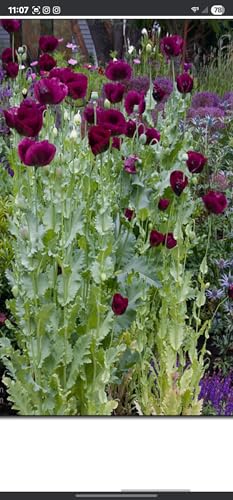
Lauren’s Grape Papaver Somniferum seeds promise a color spectrum that includes grape-like tones. This selection emphasizes seed production and the potential for multiple seed pods per plant, adding architectural interest as pods mature. Optimal growth occurs in well-drained soil with consistent moisture, and plants typically begin flowering within 60–90 days, depending on growing conditions. The variety is suitable for garden displays and cut flower arrangements.
Seed Needs Hens & Chicks Poppy Seeds

Hens & Chicks poppies deliver a distinctive hen-and-chicks growth pattern with showy, ruffled flowers. They’re easy to grow, thriving in sun with well-drained soil and can self-seed for annual returns. While primarily grown for ornamental value, the seeds are also used in various culinary contexts. This variety adds texture and charm to borders, rock gardens, or pollinator-friendly spaces, contributing to a dynamic garden scene with recurring blooms.
Buying Guide: Poppy Seed Pods And Plant Considerations
- Seed type and bloom style: Papaver somniferum varieties offer large blooms with sturdy seed pods, while Papaver rhoeas types often yield vivid florals with classic pod shapes. Choose based on color palette and pod prominence.
- Sun and soil needs: Most poppies prefer full sun and well-drained soil. Some mixes tolerate light shade; ensure soil drains well to avoid root rot and establish healthy pods.
- Bloom timing: Many poppies bloom in late spring to early summer. Plan garden layouts so pods emerge as focal points when flowers begin to fade.
- Pollinator value: Poppies attract bees and butterflies, supporting garden biodiversity. Consider planting near pollinator corridors or in borders for continuous activity.
- Annual vs. perennial: Most listed varieties are annuals. If you want ongoing color, reseed annually or select open-pollinated heirloom varieties to preserve seed viability for subsequent seasons.
- Seed production and pod appearance: For best pod display, plant in groups to create massing of seed pods. Deadheading can extend bloom but may reduce pod formation, depending on goals.
- Seed quantity and germination: Large seed lots (thousands of seeds) increase the chance of successful germination in larger beds but may require thinning to avoid overcrowding and leggy growth.
- Safety and usage notes: Some Papaver somniferum varieties have legal restrictions in certain regions. Always verify local regulations before growing, and keep edible portions distinct from ornamental specimens when sharing with others.