Choosing the right pond dye helps block sunlight, suppress unwanted algae, and improve water aesthetics without harming fish or wildlife. The products listed below are EPA-registered or widely trusted colorants designed to reduce weed growth, clarify water, and maintain a healthy pond environment. This guide highlights five top options, summarizes key features, and provides practical buying considerations for American pond owners seeking a low-maintenance algae control strategy.
| Product | Brand | Key Benefit |
|---|---|---|
| Aquashade Blue Pond Dye | APPLIED BIOCHEMISTS | Sunlight blocking for algae and weed suppression |
| Airmax Pond Dye Plus | Airmax | Colorant + beneficial bacteria for clarity |
| Pond Worx Blue Lake Dye | Pond Worx | Deep blue tint; long-lasting color |
| Aquashade Plus Pond Dye | APPLIED BIOCHEMISTS | Ultra-concentrated colorant; wide water-body use |
| Blue Lake and Pond Dye | Pond Champs | Royal blue color; safe for ecosystem |
The following sections profile five products that rank well for pond owners seeking algae control through dye-based strategies. Each entry covers a concise overview, notable features, and practical usage notes to help compare options at a glance.
Aquashade Blue Pond Dye

Aquashade is the only EPA-registered liquid dye designed to reduce underwater weed and algae growth by blocking sunlight and disrupting photosynthesis. It shades the water rather than using herbicidal action, making it a proactive choice for pond management. The formula is non-toxic and safe for fish, pets, livestock, and wildlife, making it suitable for swimming ponds, ornamental features, and irrigation systems.
Usage notes emphasize its effectiveness for color control and algae suppression without harming aquatic life. Aquashade can complement routine maintenance and helps maintain clearer water by limiting light-dependent growth. For larger ponds, repeat applications may be needed according to water volume and sun exposure. Always follow label directions for dosing and safety recommendations.
Airmax Pond Dye Plus

Airmax Pond Dye Plus blends a color-enhancing dye with a natural beneficial bacteria product for improved water clarity. This combination targets multiple water-quality factors: shading reduces sunlight exposure to deter weed growth, while bacteria help break down organic debris that can cause cloudiness and muck buildup. It is designed for large ponds and lakes and is touted as safe for fish and livestock.
The dye yields a neutral blackish-blue or deep blue tint, creating visual depth while enhancing reflection of the surrounding landscape. Proper application depends on pond size and flow, and it should be used in accordance with product guidelines to minimize unintended effects on aquatic life or ecosystem balance.
32oz 4X Blue Pond Dye + Pond Cleaner

This product combines a blue pond dye with enzymatic cleaning benefits. The 4X concentrated formula means a smaller quantity achieves noticeable color and clarity. Enzymes act to break down muck and organic waste, helping to reduce sludge and support a clearer pond ecosystem. It also provides a protective barrier against sun exposure, slowing warm-water buildup that can fuel algae growth.
Users should adjust dosing based on pond size and depth, and observe how tint and clarity shift over time. The dual-action approach makes it appealing for pond owners seeking both color and sludge management in one solution.
Pond Worx Blue Lake and Pond Dye

Pond Worx Blue Lake Dye delivers a true blue tint designed to deepen pond color and improve water appearance. It is 4X stronger than traditional gallon-level dyes and claims broad safety for people, pets, fish, wildlife, and irrigation when used as directed. The product notes emphasize that tint may vary between applications due to preexisting pond conditions, so users should monitor color changes and adjust use accordingly.
Color intensity can help reduce sun-driven algae growth, particularly in clearer ponds where light penetration accelerates photosynthetic activity. For muddy or heavily stained waters, expect a lighter tint until the dye mixes evenly and the water clears.
Aquashade Plus Pond Dye

Aquashade Plus is a high-concentration, EPA-approved blue colorant designed for rapid water-body treatment. It claims to block sunlight and reduce biomass by up to 84%, including aggressive species like hydrilla. The dye works alongside a color-enhancing appearance to restore water clarity and improve overall visibility of the pond’s features.
These properties support both aesthetic and biological objectives, particularly in ponds that experience persistent algae blooms. As with all dyes, proper dosing and seasonality considerations should be followed to maximize effectiveness while maintaining a safe habitat for aquatic life and birds.
Blue Lake and Pond Dye
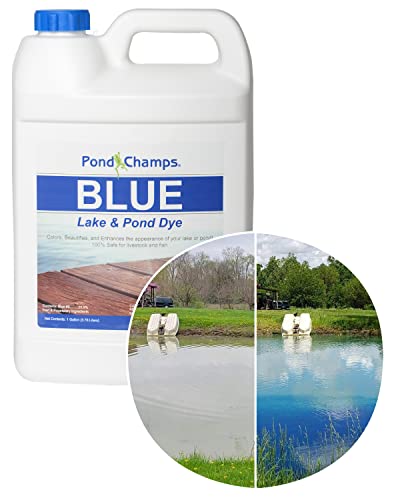
Pond Champs Blue Lake and Pond Dye provides a royal blue color to enhance the pond’s appearance while offering a safe profile for fish and wildlife. It is sold as a one-gallon option for treating up to about an acre depending on depth and flow. The dye is designed to deliver long-lasting color that resists washout and fading, supporting both visual appeal and light limitation for algae control.
As with any dye product, consistent monitoring of water quality and aquatic life health is advised. Use the dye in moderation and re-evaluate concentrations after rainfall or significant inflow to maintain the desired tint and ecological balance.
Buying Guide: Key Purchase Considerations
When selecting a pond dye for algae control, consider the following factors to optimize both aesthetics and ecological safety:
- Sunlight Blocking Efficacy: Dyes differ in how strongly they shade the water. Higher shading commonly reduces photosynthesis in algae and aquatic weeds, but excessive tint can reduce plant photosynthesis necessary for a balanced ecosystem.
- Concentration and Coverage: Higher concentrate formulas may require fewer applications but can be more sensitive to water volume and depth. Always calculate pond surface area and typical depth when dosing.
- Water Clarity and Color Preference: Some dyes yield deep blue tones, others darker hues, and some also offer a clarifying enzyme blend. Choose color and enzyme benefits that align with both appearance and water quality goals.
- Safety Profile: Verify that the product is safe for fish, wildlife, pets, and humans. EPA-registered dyes offer additional assurances for aquatic environments.
- Water Flow and Outflow: Inyo-water systems with strong outflow may dilute dye faster, affecting efficacy. Consider dye stability relative to turnover rate and seasonal conditions.
- Combination Treatments: Some products pair dye with beneficial bacteria or enzymatic cleaners. These can address multiple issues but require careful management to avoid skewing the pond’s ecology.
- Environmental Conditions: Pond depth, plant density, and existing algae species influence outcomes. A phased approach or trial application can help calibrate the right dose for your pond.
- Maintenance Integration: Use dyes as part of an integrated pond management plan, including mechanical removal, aeration, and regular monitoring of algae and clarity.
Bottom line: dye-based treatments provide a non-toxic, visually appealing method to curb light-driven algae growth and improve water clarity. Matching product selection to pond size, depth, and ecological goals will help maximize benefits while preserving a healthy habitat for fish and wildlife.