Pond maintenance is essential for a thriving water garden. Choosing a fish-safe pond cleaner helps you manage muck, algae, and sludge without harming koi, goldfish, or aquatic plants. Below are five well-regarded products designed to work with natural bacteria, clarifiers, and algae controls while keeping your pond ecology in balance. The selections emphasize safe ingredients, ease of use, and compatibility with typical backyard ponds. Use this guide to compare options and find the right fit for your water feature.
| Product | Brand | Key Benefit |
|---|---|---|
| API POND-ZYME SLUDGE DESTROYER | API | Breaks down waste and sludge with natural bacteria |
| API POND ACCU-CLEAR | API | Clarifies cloudy water by clustering particles for filtration |
| API POND ALGAEFIX | API | Controls algae growth for clearer water |
| Crystal Blue Natural Pond Cleaner | Crystal Blue | Natural bacteria to maintain muck-free ponds |
| MICROBE-LIFT AlgAway 5.4 | MICROBE-LIFT | Algae control with EPA-registered, fish-safe formula |
These products span enzymatic sludge digestion, water clarification, and algae suppression. When choosing, consider your pond size, water source (fresh or salt), fish population, plant life, and whether you prefer a bacteria-driven approach or a chemical-alternative strategy. The following sections detail each option to help you compare performance, safety, and application ease for a typical back-yard pond.
API POND-ZYME SLUDGE DESTROYER

API POND-ZYME SLUDGE DESTROYER uses natural pond bacteria and barley to break down fish waste, sludge, dead algae, and decomposing plant matter. This approach supports a clearer pond by accelerating the natural digestion processes on the muck at the bottom and among leaves or grass clippings that collect in the pond. Safe for typical freshwater ponds, the formula emphasizes maintaining ecological balance while reducing odors associated with organic buildup. Application is straightforward for regular maintenance routines, and the product is designed to partner with existing filtration without requiring major changes to your setup.
API POND ACCU-CLEAR Pond Water Clarifier
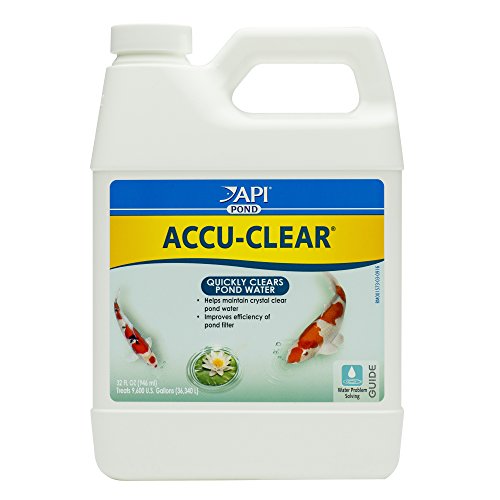
ACCU-CLEAR is a water clarifier that helps clear cloudy pond water caused by dirt, silt, and floating particles. It works by clumping fine particles into larger clusters that a pond filter can efficiently remove. This product is particularly useful after heavy rain, feeding cycles, or seasonal turnover when suspended solids make the water appear hazy. While it does not directly remove sludge, it complements a sludge-management program by simplifying particle removal and improving overall water clarity for koi and goldfish alike.
API POND ALGAEFIX Algae Control

Algaefix is a targeted algaecide designed to reduce algae growth while being tested as safe for saltwater and freshwater systems. It helps prevent green water and string algae, supporting clearer viewing of fish and plants. The product is formulated to be safe for pond life when used as directed, striking a balance between effective algae suppression and ecological safety. For ponds experiencing recurring algal blooms, this can be a reliable, season-long supplement within a broader maintenance plan.
Crystal Blue Natural Pond Cleaner

Crystal Blue Natural Pond Cleaner emphasizes natural bacteria to break down muck, dead vegetation, and organic buildup. It also helps neutralize nitrates and phosphates—nutrients that can fuel algae growth—while orbiting around maintaining a healthy microbial balance. The product is designed to support sustainable pond health by promoting gradual breakdown of debris, improving water clarity, and helping oxygen levels in the substrate. It is suitable for ponds with fish and plants and aims to support long-term ecological balance without harsh chemical additives.
MICROBE-LIFT AlgAway 5.4

AlgAway 5.4 is an EPA-registered, beneficial algaecide that targets string algae, suspended algae blooms, and general algae growth. It is designed to be safe for koi, goldfish, plants, and decorative elements when used as directed, offering a robust algae-control option for outdoor ponds. The product supports clearer water by directly reducing algae abundance while not disturbing the broader pond ecosystem. Although primarily an algae-control product, its use in combination with sludge- and clarifier-based treatments can lead to a well-rounded cleaning regimen for ponds facing persistent algae issues.
Buying Guide: Key Purchase Considerations
Choosing the right pond cleaner involves understanding how each product works and how it fits your specific pond conditions. Consider the following perspectives to build a balanced plan:
- Type of issue: If muck and sludge dominate, prioritize sludge-destroying blends (bacteria-based cleaners). If algae is the main concern, algae-control products or clarifiers may be more effective.
- Pond size and stocking: Larger ponds or high fish density often require multi-bottle regimens or combination products to maintain water quality evenly.
- Water source and salinity: Some products are labeled for freshwater use only; verify compatibility with your pond’s water type and any salt used in water features.
- Safety profile: Look for fish-safe formulas with natural bacteria or gentle clarifiers. EPA-registered products provide an extra layer of safety for mixed aquatic life.
- Application routine: Consider who administers the treatment (you or a maintenance service) and whether the product requires pre-mixing, direct dosing, or filtration-based steps.
- Ongoing maintenance: A combination approach—sludge removal, algae control, and occasional clarifiers—often yields the clearest water without stressing fish.
- Environmental impact: Favor products that emphasize natural processes and avoid harsh chemicals near plant life and wildlife.
In practice, a typical season may involve an initial sludge-digesting treatment to reduce bottom muck, followed by a clarifier to improve visible clarity, and finishing with algae-control measures to suppress blooms. Regular monitoring of ammonia, nitrite, and nitrate levels, along with dissolved oxygen, can help gauge effectiveness and determine when additional doses are needed. Always follow label instructions and perform water testing after any chemical or biological treatment to ensure a safe environment for fish and plants.