Poly tubing is a cornerstone of modern drip irrigation, delivering water precisely where plants need it while resisting UV exposure and chemical wear. The following selections emphasize durability, compatibility with common drip components, and versatile sizing for a range of landscapes—from flower beds to large lawns. Each option is designed for easy integration with emitters, adapters, and main-line setups, helping you build efficient irrigation networks with minimal maintenance. Below is a quick overview of five well-regarded poly tubing choices to consider for home or light commercial use.
| Brand | Product | Size | Use | Notes |
|---|---|---|---|---|
| Raindrip | 1/2-Inch Drip Irrigation Water Supply Tubing | 1/2 in | Main line / feeder | Versatile, suitable for emitters and drippers |
| LASCO | Mainline Drip Irrigation Tubing Poly Rigid Pipe | 1/2 in | Main line with fittings | Rigid alternative for commercial feel |
| Rain Bird | Blank Distribution Tubing | 1/2 in | Distribution runs | Professional-grade, flexible |
| One Stop Outdoor | 1/4-Inch Drip Irrigation Poly Supply Tubing | 1/4 in | Emitter-to-plant delivery | USA-made, compatible with Raindrip/Rain Bird |
| DripWorks | Drip Irrigation Tube 100′ Roll | 3/4 in Mainline | Long runs | LDPE, good durability |
The following sections highlight five poly tubing options, each paired with practical usage notes, durability traits, and compatibility considerations. This guide focuses on mainstream sizes (1/2 inch and 3/4 inch mainlines, plus 1/4 inch micro lines) that fit common drip systems and irrigation components.
Raindrip 1/2-Inch Drip Irrigation Tubing
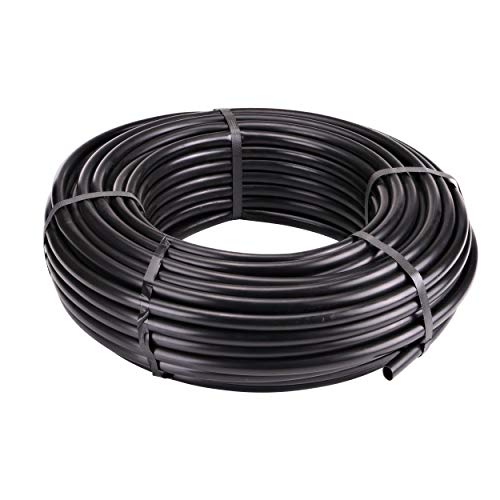
Raindrip’s 1/2-inch supply tubing is a versatile main-line option suitable for delivering water to drip systems across diverse landscapes. It’s designed for main-line use or as a feeder line, with emitters that can be punched into the tubing to create a tailored dripper layout along a plant bed or row. The tubing is compatible with a broad range of drip irrigation parts, enabling straightforward connections to a water source and to the rest of a drip network. This flexibility makes it a solid default choice for homeowners building modular irrigation runs for trees, shrubs, and garden beds.
Key considerations include compatibility with standard emitters and fittings, ease of punching for DIY emitter placement, and resilience in outdoor conditions. The outer diameter supports a robust flow capacity for medium-scale irrigation runs, while the black color helps hide dirt and age from sun exposure.
LASCO Mainline Drip Irrigation Tubing Poly Rigid Pipe
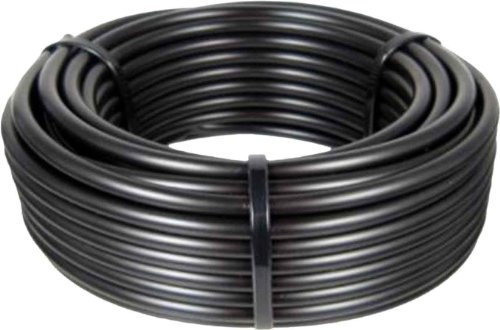
This LASCO mainline tubing is designed to work with 1/2-inch barb drip fittings or 0.620 green end fittings and comes in 100-foot lengths. Its rigid construction gives it a professional-grade feel and can be advantageous for long, straight runs where a stiffer pipe reduces sag over time. It blends well with commercial drip components and is positioned as a reliable main-line option for larger installations or where a more rigid distribution line is preferred.
When selecting this tubing, ensure you have compatible connectors and end fittings, and plan for potential expansion by stocking extra connectors. The rigid profile also makes it easier to secure along fences or under decking during installation.
Rain Bird 1/2″ Distribution Tubing

Rain Bird’s distribution tubing is designed to be rugged, flexible, and easy to unroll and stake into place. This 1/2-inch tubing can serve as the main distribution line or connect to faucet or garden hose configurations when converted with appropriate adapters. It’s marketed as professional-grade and highlighted for its low maintenance—an appealing trait for gardeners seeking a study, long-lasting mainline that resists clogging and wear. This tubing integrates neatly with Rain Bird conversion kits, which can simplify upgrading an existing irrigation system.
Consider its flexibility against the need for secure staking in windy areas. The tubing’s resistance to clogging is a favorable feature for systems with varying emitter types along the line, but you’ll still want to match it with quality emitters and filters to maximize longevity.
One Stop Outdoor 1/4-Inch Drip Supply Tubing
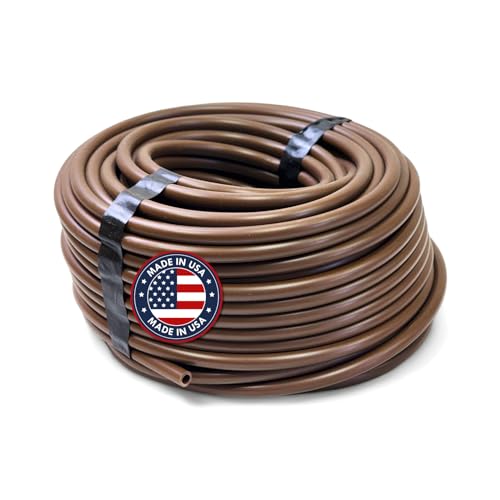
This 1/4-inch micro tubing focuses on delivering water from the main line to individual emitters. Made in the USA, it emphasizes durability with UV-resistant materials, supporting residential and commercial landscapes over the long term. The tubing is described as compatible with Raindrip, Rain Bird, and other major drip brands, which helps when upgrading or expanding an existing system. This size is ideal for precise emitter placements and for smaller, localized irrigation chores such as container plantings or plant rows that require tight spacing.
When planning a micro-tubing network, assess fit with your chosen emitters and connectors. UV resistance is a strong plus for outdoor installations, but ensure your climate and sun exposure align with the expected lifespan of any polymer tubing and fittings.
DripWorks Drip Irrigation Tube 100′ Roll

DripWorks offers a 3/4-inch mainline tubing roll, constructed from low-density polyethylene (LDPE). This size is well-suited for longer runs or areas where larger-volume water delivery is needed across extended plant beds. It provides a balance between flexibility and strength, making it practical for gardens with varying terrain. The 0.060-inch wall thickness contributes to durability while maintaining a manageable size for installation and routing through plantings and landscape features.
In practice, this tubing works well when paired with compatible intermediate fittings and emitters. If your layout requires frequent turns or gradual elevation changes, consider extra reinforcement or gentle bends to minimize kinking and ensure steady flow.
Buying Guide: Key Considerations For Poly Tubing
Choosing the right poly tubing involves evaluating system size, climate, and compatibility with existing components. The following factors help determine the best fit for most residential and light commercial drip setups:
- Size and flow: Mainlines typically use 1/2-inch or 3/4-inch tubing, while micro lines are 1/4 inch. Larger sizes handle higher flow and longer runs, whereas smaller sizes suit emitter-heavy layouts and gentle water distribution.
- Material and durability: Most irrigation tubing is polyethylene-based. Look for UV resistance, especially in sunny climates, and consider layered constructions for enhanced durability in the mainline.
- Compatibility: Ensure tubing works with your emitters, connectors, and mainline fittings. Brands like Raindrip and Rain Bird often maintain broad compatibility across their product ecosystems.
- Flexibility vs. rigidity: Flexible tubing is easier to install in irregular beds, while rigid tubing can simplify long, straight runs. Your choice depends on layout complexity and installation preferences.
- Installation considerations: Punch-in emitters, barbed fittings, and adapters are common. Plan for spare fittings and clamps to secure runs and prevent leaks at joints.
- Maintenance: Look for tubing with low clogging risk and materials that tolerate irrigation chemicals and mineral content in your water. Regular checks of emitters and filters help maintain efficiency.
- Environment and aesthetics: Black tubing hides dirt and sun aging, while color choices and textures can influence visibility and ease of routing in landscaped areas.
- Warranty and availability: U.S.-made options can offer reassuring durability and better support. Stock up on common sizes to simplify future upgrades or repairs.
Practical Tips For A Successful Poly Tubing Setup
- Plan layout before purchasing: Map emitter density, run lengths, and potential branching to minimize waste and ensure uniform watering.
- Check pressure requirements: Drip systems run best at low to moderate pressure. If your water source has high pressure, consider reducers or regulators to protect tubing and emitters.
- Seasonal care: Inspect tubing at the start of each growing season for cracks, kinks, or sun damage. Replace worn sections promptly to avoid leaks.
- Device compatibility: When mixing brands, verify connector compatibility to prevent leaks and ensure a secure fit along mainlines and dripper paths.
- Local codes and DIY readiness: Some installations may require permits or adherence to irrigation guidelines. Follow local regulations and manufacturer recommendations for best results.