Looking for durable poly mesh deer fencing to protect your plants without harming wildlife? This guide highlights five practical options, explains who each product is best for, and helps you compare features like mesh size, durability, and installation ease. Ideal buyers include home gardeners, hobby farmers, and homeowners seeking temporary or seasonal protection for beds, shrubs, and fruit trees.
Summary of Selected Products
| Product | Dimensions | Best For | Why Pick |
|---|---|---|---|
| ORIVOGAS Deer Fence Netting | 6.5×50 ft | Medium to large gardens | Heavy-duty 55gsm HDPE weave; reinforced edges |
| ORIVOGAS Plastic Mesh Fence 4×75 ft | 4×75 ft | Extended border protection | Long run, reinforced edges, versatile uses |
| MEKKAPRO Deer Net 7×65 ft | 7×65 ft | Tree and shrub protection | 40gsm; easy to cut to size; complete kit |
| POYEE 5×100 ft Deer Fence Netting | 5×100 ft | Fruit trees and gardens | Heavy-duty HDPE, reinforced edges |
| Jobe’s LG400171 Deer Barrier | 7×100 ft | Property perimeter and crops | Reusable UV-treated fencing; durable |
ORIVOGAS Deer Fence Netting, 6.5×50 ft

This heavy-duty fence is designed for garden protection and animal barriers. The 5/8” square mesh restricts deer and other animals from entering cultivated areas. It uses a 55 gsm HDPE weave for tear resistance and UV stability, offering a strong barrier while remaining flexible for various layouts.
Best for: Small- to medium-sized gardens that need reliable deer and pet deterrence.
Why selected: Combines reinforced edges with tangle-free setup, making installation straightforward on posts or the ground. The mesh size balances visibility and barrier effectiveness.
Caution: For very windy sites, ensure proper staking to prevent sagging and maximize tension.
ORIVOGAS Plastic Mesh Fence Deer Fencing 4×75 ft
Longer run fencing with reinforced edges provides extended coverage for larger borders or perimeter protection. The 5/8” square mesh remains effective against deer and dogs while allowing airflow and visibility for your landscape.
Best for: Perimeter protection along longer garden boundaries or property lines.
Why selected: The longer 4×75 ft length reduces seams and re-anchoring by covering more area with fewer joins.
Caution: Like other plastic fences, wind loading can cause sag over time; secure with multiple stakes or posts.
Houseables Fencing, Snow Fence, 4×100 ft

This lightweight, green plastic fencing works well as a temporary barrier for gardens, snow fencing, or pool areas. It’s easy to install and remove, making it suitable for seasonal or short-term needs. The visual barrier helps deter access without heavy installation work.
Best for: Quick, temporary protection around beds, newly seeded lawns, or pool areas.
Why selected: Easy to deploy and remove; suitable when you need a barrier for short to mid-term use.
Caution: Not a long-term solution in high-wind areas or heavy wildlife pressure; consider combining with sturdier posts if necessary.
MEKKAPRO Deer Net 7×65 ft

Designed for garden protection with a focus on trees and shrubs, this netting uses a 40 gsm polypropylene composition. It’s lightweight, flexible, and can be cut to fit irregular bed shapes. It protects against deer, birds, and small pests without harming wildlife.
Best for: Protecting trees, shrubs, and mixed beds in small-to-medium gardens.
Why selected: Comes with a complete installation kit (ground pegs and zip ties) for quick setup and secure anchoring.
Caution: Lower gsm means less abrasion resistance in very windy or harsh environments; may require more frequent maintenance in exposed areas.
Jobe’s LG400171 Deer Barrier Fencing
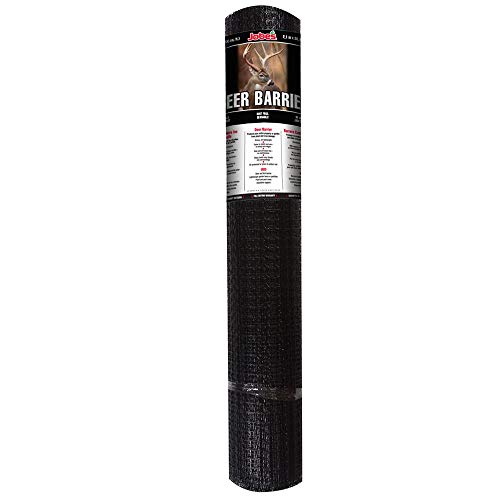
Jobe’s Deer Barrier is a tougher option for protecting landscapes, crops, and perimeters. The UV-treated material is designed for long-term outdoor use and resists rust, rot, and corrosion common with metal or wood barriers.
Best for: Year-round protection on property borders or larger planting zones.
Why selected: Reusable and durable, suitable for repeated seasonal applications and longer-term installation.
Caution: Larger coverage may require more posts or anchoring depending on the layout and wind exposure.
Buying Guide
What size mesh is best for deer?
Common deer fencing uses 5/8 inch or 3/4 inch square mesh. A 5/8 inch mesh is generally sufficient for deterring deer while maintaining airflow and visibility. For high-traffic or multi-animal areas, a tighter mesh may offer additional security.
What installation considerations matter?
- Anchor every few feet with stakes or posts to minimize sagging.
- Choose UV-stable HDPE polymer for outdoor longevity.
- Consider the wind load of your site and choose longer panels with fewer joints when possible.
Temporary vs. permanent fencing
Temporary plastic mesh fencing is quick to install and remove for seasonal needs. For long-term protection, select heavier, reinforced options and plan for sturdy anchoring and potential integration with posts or a frame.
What about pets or children?
For households with pets or kids, ensure the fence height and mesh size prevent climbing or reach-through. A taller barrier with secure anchors helps keep animals contained without damaging the landscape.
Maintenance tips
- Inspect for tears or sagging after storms and re-tension as needed.
- Keep ladders, tools, or heavy equipment away from the fence to avoid punctures.
- Rinse off dirt or debris to maintain visibility and minimize UV exposure on the material.
FAQ
- What is the typical life span of poly mesh deer fencing?
- Can these fences be used around fruit trees?
- Are there safety considerations for pets?
- Should I use a fence with reinforced edges?
- Is a longer fence section better than multiple shorter pieces?
- Can I reuse these fences season after season?
Durability varies by product and conditions, but UV-stabilized HDPE fences are designed for multiple seasons of outdoor use with proper maintenance.
Yes, many options are designed to protect fruit trees and shrubs from deer and other wildlife while allowing airflow and light.
Choose a height and mesh size appropriate for your pet’s size and behavior, and ensure the fence is securely anchored to prevent tipping.
Reinforced edges prevent fraying and improve anchoring, making installation easier and reducing maintenance.
Longer sections reduce seam points and potential weak spots, but require more anchors. Choose based on your landscape layout and wind exposure.
Many options are designed for repeated use, especially UV-treated and reinforced models. Proper storage between seasons extends life.