Choosing the right seedling trays helps improve germination rates, root health, and transplant success. This guide reviews sturdy, reusable plastic options ideal for starting vegetables, flowers, microgreens, and Wheatgrass at home. Each product below includes size, drainage features, and durability considerations to help you pick trays that fit your space and growing style.
| Product | Key Features | Size (approx.) | Drainage |
|---|---|---|---|
| Gardzen 30 Pack 6-Cell Tray | Durable plastic, 1.5″ cells, drainage holes | 5.4″ x 3.7″ per cell | Drainage holes |
| RooTrimmer 10 Pack 32 Cell Tray | Deep 4.33″ cells, 1mm thick, sturdy | 32 cells per tray | Drain holes |
| RooTrimmer 1020 Nursery Trays 5 Pack | 1020 flat, BPA-free, no holes | 21.3″ x 10″ (approx) | No holes |
| ZAVOOS 6 Pack Nursery Trays | Without drainage holes, durable | 17.3″ x 11.6″ x 1.3″ | No holes |
| Mr. Pen 5 Pack Seedling Trays | Sturdy, reusable, easy to clean | 17″ x 10″ x 2.4″ | No holes |
The table above highlights five versatile options suitable for indoor seed starting, microgreens, and transplant-ready seedlings. For homes with limited space, consider fewer, deeper trays for robust root development; for microgreens and fast starters, shallower trays with drainage can help prevent overwatering. All choices in this guide are plastic and reusable, supporting lower long-term costs and reduced waste.
Gardzen 6-Cell Seed Starting Tray
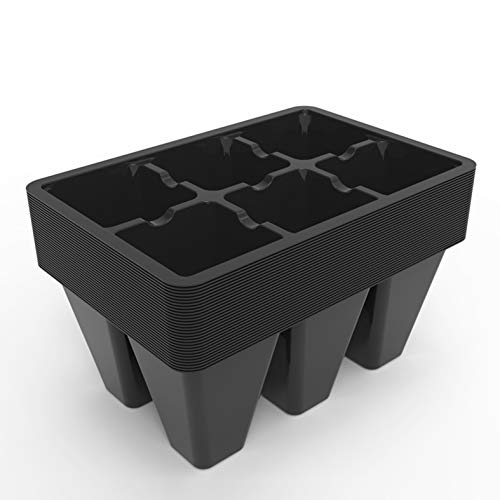
Gardzen offers a 30-pack collection of 6-cell seed starting trays designed to support healthy seed germination and root growth. Each cell measures 1.5 inches square by 2.2 inches deep, providing ample space for developing root systems. The design includes bottom drainage holes to prevent overwatering, with top guide channels that help distribute moisture evenly across cells. These trays are built for repeated use, making them a practical option for serious hobbyists and small garden setups.
RooTrimmer 10 Pack 32 Cell Trays

These extra-deep trays feature 32 cells per tray, each cell sized to support larger seedlings and robust root systems. At 4.33 inches deep, they hold more soil and moisture, which can reduce the frequency of watering during early growth. The trays are made from durable plastic, designed for repeated use, and include large drain holes to prevent waterlogging. They align with standard 1020 flat systems, making compatibility with existing greenhouse setups straightforward.
RooTrimmer 1020 Nursery Trays (5 Pack)

This set includes five 1020 seedling trays without drainage holes, suitable as microgreens growing trays or as a patient transport solution for seedlings. The 21.3″ x 10.9″ x 2.1″ footprint provides ample capacity for larger seed flats. Made from BPA-free plastic, these trays emphasize safety for both plants and users while offering durable, long-term use for nursery-style propagation and transplant workflows.
ZAVOOS 6 Pack Nursery Potting Trays
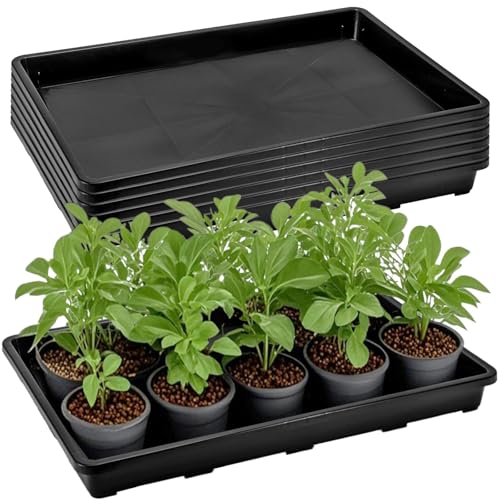
The ZAVOOS set includes six no-drainage trays tailored to indoor seed starting and greenhouse propagation. Each tray measures 17.3 by 11.6 inches with a shallow 1.3-inch height, making them suitable for flat-stack systems and shallow root development. The trays are designed to be sturdy, lightweight, and easy to clean, providing a reusable option that resists warping and bending under typical gardening use.
Mr. Pen Plastic Growing Trays (5 Pack)

The Mr. Pen seedling trays come in a convenient five-pack with dimensions of 17 x 10 x 2.4 inches. They are designed to be lightweight, durable, and easy to clean, allowing repeated reuse for home vegetable and flower propagation. The trays help keep soil, fertilizer, and water contained, supporting tidy indoor or outdoor growing environments while accommodating multiple crops in a single tray set.
Buying Guide: Key Purchase Considerations
Selecting seedling trays depends on your goals and space. Consider depth and cell size if you’re starting larger transplants or heavy-root crops; shallower trays work well for microgreens and quick germination. Drainage plays a major role in moisture management—drain holes help prevent overwatering, while no-drain options can act as drip trays or staging surfaces. Durability and reuse are important for long-term costs, so look for sturdy plastic, BPA-free materials, and trays that hold their shape after washing. Compatibility with existing flats (such as 1020 standards) saves space and ensures easy integration with shelves and heat mats.
Budget-conscious buyers might favor multi-pack sets for bulk planting sessions, but still prioritize tray stability and edge rigidity to prevent warping during transport. For indoor setups, lightweight trays with uniform cell sizes improve consistency in germination and transplant timing. Finally, consider whether you prefer trays with built-in drainage channels or simple flat surfaces that can double as propagation flats for cuttings, microgreens, or herbs.
Performance considerations vary by crop: seed germination benefits from adequate moisture distribution, which is aided by evenly spaced drainage holes; microgreens typically require quick drainage yet stable soil support. Assess your climate, space constraints, and irrigation methods (drip, capillary, or mist) to determine the best tray configuration for your operation.