Plastic seed starting cells are essential for organizing germination, promoting strong root development, and simplifying transplanting. This guide highlights top plastic seed starting cell trays that help American gardeners optimize indoor seed starting, from compact 6-cell trays to larger 216-cell kits. Each option offers drainage, clear visibility, or durable construction to support a productive early growing season. Review these selections to find trays that fit your space, seed variety, and gardening goals.
| Product | Brand | Cells |
|---|---|---|
| Gardzen 30 Pack 6-Cell Seed Starting Tray (Black) | Gardzen | 6 per tray, 30 total |
| Gardzen 30 Pack 6-Cell Seed Starting Tray (Clear) | Gardzen | 6 per tray, 30 total |
| Burpee SuperSeed Seed Starting Tray 16 XL Cell | Burpee | 16 |
| Burpee SuperSeed Seed Starting Tray 36 Cell | Burpee | 36 |
| The Hydroponic City Seed Starter Trays 216-Cell | The Hydroponic City | 216 |
Gardzen 30 Pack 6-Cell Seed Starting Tray (Black)
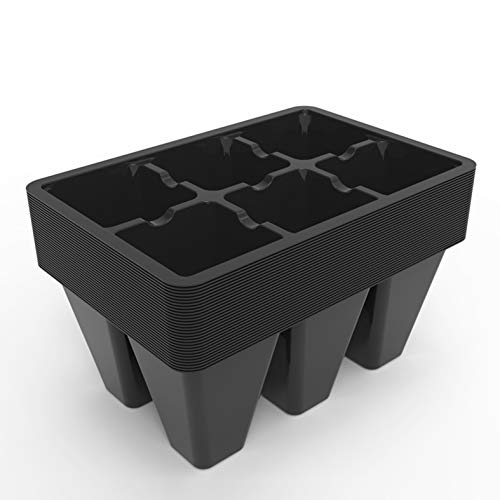
Gardzen’s 30-pack of 6-cell seed starting trays are built for durability in daily use. Made from premium plastic, these trays withstand repeated planting seasons while providing each cell with sufficient space for early root development. Drain holes prevent overwatering, and top guide channels help distribute moisture evenly across all cells, supporting uniform germination and strong seedling establishment.
Gardzen 30 Pack 6-Cell Seed Starting Tray (Clear)

The clear variant from Gardzen lets gardeners easily monitor germination progress and root development without disturbing the soil. Each 5.4×3.7 inch tray contains 6 cells (1.5″ square, 2.2″ deep) and includes drainage features. This visibility helps with timely watering decisions and transplant readiness, while the durable plastic ensures reuse across seasons.
Burpee SuperSeed Seed Starting Tray (16 XL Cell)

Burpee’s SuperSeed tray uses extra-large, flexible pop-out cells that simplify transplanting and reduce root damage. The kit includes alphanumeric labeling and a Plant-o-Gram diagram to identify seedlings. The tray’s corner slots improve drainage, while the raised edge preserves moisture balance in the watering tray, preventing spills and promoting steady seedling growth.
Burpee SuperSeed Seed Starting Tray (36 Cell)

This Burpee 36-cell tray offers durable, reusable construction with smart drainage channels and a water-conserving design. The silicone-like cells cradle seedlings gently for easy removal during transplant, while side handles simplify lifting and watering. It’s designed for ongoing use, making it suitable for a season-long seed starting workflow.
The Hydroponic City 216-Cell Seed Starter Trays
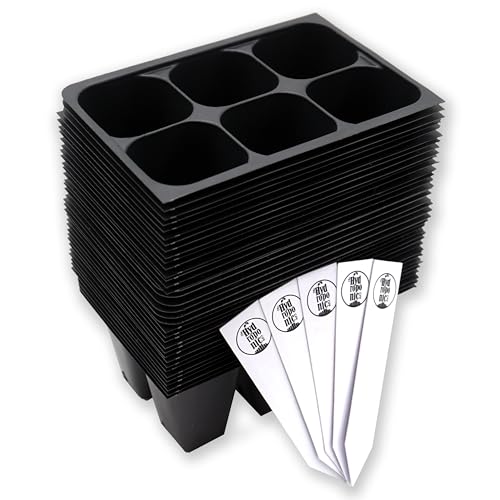
The Hydroponic City offers a large-capacity option with 216 cells across 36 trays. This setup is ideal for serious hobbyists or classroom settings. Cells measure 1.5″ square by 2.25″ deep to support healthy root growth. The design emphasizes durability, reusability, and compatibility with a wide range of seed types, from herbs to vegetables and ornamental plants.
Buying Guide
Key considerations when selecting plastic seed starting cells:
- Cell size and depth: Larger cells (about 1.5″ x 2.0″ or similar) support robust root systems. Smaller cells save space but may require transplanting sooner.
- Drainage and moisture control: Look for drain holes and built-in moisture management features to prevent overwatering and fungal issues.
- Durability and reuse: Polypropylene or sturdy plastic trays withstand repeated seasons. Consider whether the kit includes a reusable dome or base.
- Visibility: Clear trays or observation-friendly designs help monitor germination and root health without disturbing seedlings.
- Expansion potential: For larger projects, high-capacity trays (e.g., 216 cells) can streamline cultivation but require more space.
- Transplant ease: Flexible or soft-cell designs reduce root disturbance during transplantation, supporting seedling survival.
- Maintenance: Dishwasher-safe components simplify cleaning between seasons for certain Burpee models.
- Compatibility with seeds: Ensure tray size accommodates the seeds you plan to start, from microgreens to larger herbs and vegetables.
In summary, choose a seed starting system that aligns with your space, seed variety, and transplant goals. For beginners, a compact 6- or 16-cell tray with clear visibility and straightforward drainage can be ideal. For larger projects or classrooms, high-capacity options provide efficiency and versatility, while premium reusable trays emphasize longevity and sustainability.