Answering the question for tree growers and urban gardeners who need reliable plastic planters, this guide highlights five versatile options. These pots are chosen for durability, drainage, and easy handling, making them suitable for seedlings, saplings, and small trees. Ideal buyers include homeowners starting fresh trees, urban gardeners managing limited space, and landscapers needing lightweight, reusable containers. The table below summarizes the five selections to help you compare at a glance.
| Product | Best For | Key Benefit |
|---|---|---|
| Anyumocz 60 Pcs 1 Gallon Nursery Pots | Seedlings and cuttings | Flexible, drain holes, compact packaging |
| Land Guard 4-Pack Fabric Grow Bags 5 Gallon | Root pruning and portability | Nonwoven fabric, excellent drainage, lightweight |
| RunNico 50pcs Deep Plant Nursery Pots | Tall tree saplings | Deep, tall design with drainage |
| Gro Pro Premium Nursery Pot 15 Gallon | Larger saplings and small trees | Durable, injection-molded, thick walls |
| 5 Gallon 6-Pack Large Plant Pots (Cotta Planters) | Outdoor trees and heavy containers | Recycled plastic, rolled rim, easy to carry |
Anyumocz 1 Gallon Nursery Pots — Flexible and Drainage Friendly

Best for: Seedlings and cuttings needing easy handling and flexible reshaping as roots develop. These pots are lightweight, soft-plastic, and designed to return to shape after compression. They are ideal for nurseries or home gardens that frequently transplant young trees or shrubs.
Why selected: The 1-gallon size is a common starter container for many tree species. The pot includes 16 drainage holes to promote airflow and prevent waterlogged soil, supporting healthy root systems during early growth.
Limitation: The lightweight material may wear faster under rugged outdoor use or heavy handling; consider moving to sturdier pots as trees mature.
Land Guard Fabric Grow Bags 5 Gallon

Best for: Root pruning and flexible transport for larger saplings. Fabric grow bags encourage air pruning and better root structure, while handles facilitate moving full bags without bending.
Why selected: These bags provide excellent drainage and breathability, which supports vigorous growth and reduces risks of root rot. They’re easy to store when not in use and can be reused seasonally.
Limitation: Fabric bags may require more frequent monitoring for moisture; they dry out faster than solid plastic in hot conditions.
RunNico Tall Deep Plant Nursery Pots — 11.8 Inches

Best for: Tall tree saplings and deep-rooting plants that require ample vertical space for root development. The tall design supports vigorous early growth and helps reduce frequent repotting.
Why selected: The 11.8-inch height and 3.9-inch opening diameter provide deep volume for robust roots. The pots are reusable and lightweight, suitable for indoor or outdoor setups.
Limitation: The wider top may be less stable in windy outdoor conditions; consider staking or placing in sheltered locations for top-heavy plants.
Gro Pro Premium Nursery Pot 15 Gallon
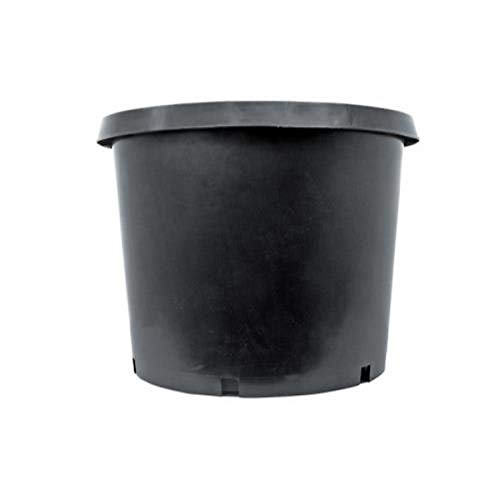
Best for: Larger saplings and small trees that require sturdy containment. This pot is designed to hold substantial soil volumes and withstand outdoor conditions.
Why selected: Injection-molded with thick walls, the Gro Pro pot combines durability with a clean aesthetic suited to gardens and patios. The design supports stable planting and minimal deformation.
Limitation: Volume is large; not ideal for compact spaces or small shrubs in early stages of growth. Consider tiered or stackable options for space efficiency.
5 Gallon 6-Pack Large Plant Pots — Recycled Plastic

Best for: Outdoor trees, shrubs, and heavier container plants that require solid, durable housing. This set uses recycled plastic and emphasizes environmental friendliness.
Why selected: Rolled edge for easy carrying and a tall depth of 12 inches promote healthy root structure. The rim design supports various plant cages and supports stability in windier areas.
Limitation: Thick, heavy-duty design could be less practical for frequent moving; best for stationary setups or permanent planters in landscapes.
Buying Guide: Key Considerations For Plastic Planters For Trees
- Size and depth: Choose pots that match your tree species’ root depth and your available space. Tall trees benefit from deeper pots to encourage strong root systems.
- Material and durability: Thicker, injection-molded plastics resist cracking and weathering better than thin, flexible plastics. Consider reuse across seasons.
- Drainage and aeration: Adequate drainage prevents waterlogged soil and root rot. Look for pots with side and bottom drainage or breathable fabric bags for air pruning.
- Weight vs. portability: Lightweight pots are easy to move but may tip over in wind. Heavy-duty or fabric options can balance stability and mobility.
- Environment and sustainability: Recycled plastic options reduce environmental impact. Reusability and ease of cleaning are practical considerations.
- Compatibility with space: For small spaces, consider stackable or modular pots. For large landscapes, multi-gallon options support rapid growth.
Frequently Asked Questions
- What size pot is best for a young tree sapling?
Start with a pot that allows several years of growth without frequent transplanting. For many saplings, 5–15 gallons provides adequate space, but this depends on the species.
- Are fabric grow bags better than plastic pots for trees?
Fabric bags offer superior air pruning and drainage, which can improve root structure. They may require more frequent watering monitoring.
- How important is drainage for tree planters?
Very important. Proper drainage prevents root rot and promotes healthy growth. Look for pots with multiple drainage holes or add drainage layers as needed.
- Can I reuse plastic planters year after year?
Yes, with proper cleaning and storage. Inspect for cracks and replace damaged pots to avoid soil leaks and compromised roots.
- Should I choose tall or wide pots for trees?
Tall pots encourage deeper root growth and stability for certain species, while wide pots support more surface area for root spread. Consider the plant’s natural growth habit.
- What is the benefit of using recycled plastic planters?
Recycled options reduce environmental impact and can offer similar durability to new plastic while supporting sustainability goals.