Top picks for plastic livestock water tanks that are durable, easy to clean, and suitable for different livestock needs. This guide helps buyers choose tanks for cattle, horses, sheep, goats, and mixed-use farms. The featured products are selected for reliability, portability, and ease of use in outdoor and barn environments. Each section notes who benefits most and why a specific tank stands out, plus any practical limits to consider.
Summary of chosen products:
- Rubbermaid Commercial 150-Gallon Stock Tank — best for medium-scale operations needing sturdy, US-made stock tanks.
- Elkhart Plastics 50 Gallon Tank — best for versatile, compact transport and quick dispensing.
- Chapin 40-Gallon Tank — best for transportable irrigation and on-the-go water needs.
- Rubbermaid Commercial 300-Gallon Tank — best for larger livestock or multi-animal setups.
- GINDOOR 5-Pack 12-Gallon Troughs — best for smaller groups or multi-stall systems with shared water access.
Rubbermaid 150-Gallon Stock Tank — Heavy Duty Structural Foam

Brand: Rubbermaid Commercial Products
Features: Durable rigidcell construction; category-leading 10-year limited warranty; Made in the USA.
Best for: Mid-sized farms or ranches needing a highly durable, all-weather stock tank for water or mixed-use (pool, tub, wash-down). This tank is especially suitable for outdoor settings where long-term exposure and heavy use are expected.
Why selected: It combines rugged construction with a long warranty and domestic manufacturing for reliability and quick local availability.
Caution: Large volume adds weight; ensure proper anchoring or placement to prevent tipping in strong winds or uneven ground.
Elkhart Plastics 50 Gallon Utility Tank

Brand: Elkhart Plastics
Features: Versatile 50-gallon tank for water or non-flammable liquids; flat bottom for easy installation in vehicles; large fill cap; translucent with gallon markings; UV inhibitors for outdoor use; rugged ribbed design.
Best for: Farmers needing a portable, mid-sized tank for water transfer, irrigation supply, or on-trail transport via trucks or trailers. Good for temporary setups or seasonal use.
Why selected: Its flat bottom and visible liquid levels simplify field operations and quick checks.
Caution: Specific gravity of liquids should stay within safe limits; not ideal for highly viscous or heavy chemicals beyond its intended scope.
Chapin 40-Gallon Water Storage Tank

Brand: Chapin International
Features: 40-gallon translucent tank; chemical-resistant; built-in 2-inch drain; 3/4-inch garden-hose port for controlled emptying; UV protection; nitrile seals.
Best for: Gardeners and small farms needing a portable water storage solution that can be hauled on trucks or tractors for irrigation or cleaning tasks.
Why selected: Combines easy transport with fast draining and compatibility with common garden hoses for efficient water management.
Caution: Slightly smaller capacity than other options; plan for higher daily water needs if livestock consume quickly.
Rubbermaid 300-Gallon Stock Tank — Structural Foam
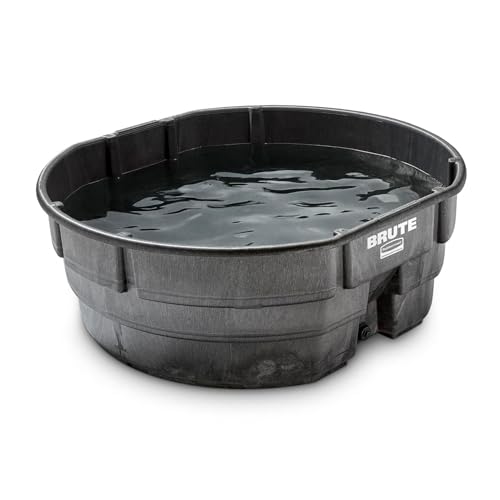
Brand: Rubbermaid Commercial Products
Features: Durable rigidcell construction; 10-year warranty; Made in the USA.
Best for: Larger livestock operations or multi-animal setups requiring a large, durable water or feed container for outdoor use.
Why selected: The 300-gallon capacity supports higher animal counts or longer intervals between fills, with dependable US-made quality.
Caution: Large size requires substantial space and secure placement to prevent tipping in exposed areas.
GINDOOR 5 Pack Extra Large 12-Gallon Troughs
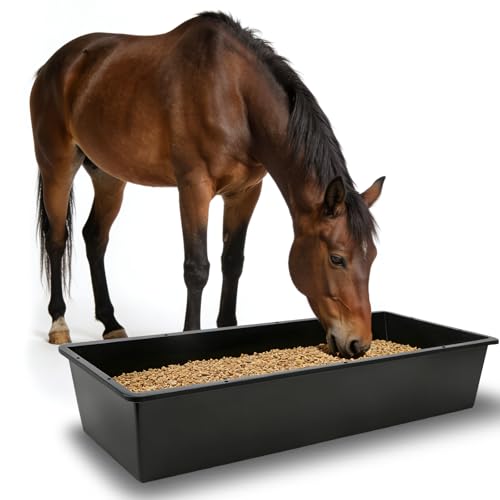
Brand: GINDOOR
Features: Five 12-gallon troughs; reinforced walls; thickened base; non-toxic, food-safe polyethylene; resists cracking and UV exposure.
Best for: Small to mid-sized groups or multi-stall setups where multiple animals can share water points, or for rotating grazing systems.
Why selected: The set provides flexibility and redundancy; useful when quick reconfiguration of water access is needed across paddocks.
Caution: Each trough is smaller than single large tanks; ensure adequate total water supply for your herd’s needs.
Buying Guide
What size is right for your operation? Consider daily livestock drinking needs, the number of animals, and whether you need one large tank or several smaller ones to serve different paddocks.
Durability and material. Structural foam tanks from Rubbermaid offer rugged, weather-resistant construction ideal for outdoor use. Translucent plastic helps monitor water levels. UV inhibitors protect against sun damage.
Portability and installation. Smaller totes and 50-gallon tanks are easier to move with a trailer or pickup. Troughs with flat bottoms simplify placement on uneven surfaces.
Water management features. Tanks with built-in drains or hose ports speed up cleaning and refilling. Float valves automate refilling but require compatible fittings and hoses.
Maintenance and safety. Look for non-toxic, food-grade plastics for drinking water to prevent contamination. Long-term exposure to sun requires UV-stabilized materials.
Compatibility. Ensure the tank size and fitting ports match your existing valves, hoses, and trough-infrastructure. Check for standard sizes (e.g., 3/4″ garden hose ports) if using common irrigation gear.
Frequently Asked Questions
- What size stock tank is best for a small herd? – A 40–150 gallon tank suits small to medium herds, depending on water needs and paddock layout.
- Are plastic tanks safe for drinking water? – Yes, treat tanks made from food-grade or non-toxic polyethylene as suitable for livestock drinking water when properly maintained.
- Do float valves fit all tanks? – Float valves come in standard sizes and can fit many plastic and metal troughs, but check port size compatibility before purchase.
- How often should water tanks be cleaned? – Clean regularly based on usage and water quality; empty, scrub, and rinse to prevent algae and bacterial growth.
- Can I use these tanks for both water and feed? – Some tanks are designed for water only, while others can store feed or minerals; verify the manufacturer guidance for each model.
- Is a larger tank always better? – Larger tanks reduce refills but require more space and heavier handling; balance capacity with available area and handling capabilities.