The best plastic for garden rows depends on your goals: weed suppression, soil warming, moisture retention, and durability. This guide highlights five sturdy options that suit different garden sizes and climates. Use the table below to compare core benefits quickly, then read each product section for details on who benefits most and any limitations to consider.
| Product | Thickness / Type | Best For | Notes |
|---|---|---|---|
| Farm Plastic Supply — Weed Control 4 Mil Black Plastic Sheeting | 4 mil, Black | Weed suppression in garden rows; seed germination support | Heavy-duty; suitable for outdoor use |
| Farm Plastic Supply — Poly Mulch Black Plastic Sheeting | 1.5 mil to 3 mil, Black | Durable weed barrier with UV protection | Promotes greenhouse-like soil warming |
| Rocky Mountain Goods — 4 Mil Black Plastic Sheeting | 4 mil, Black | Heavy-duty weed barrier for large beds | Multi-use; strong and versatile |
| Feitore — 4 Mil Black Plastic Sheeting | 4 mil, Black | Weed suppression and long lifespan | Resistant to weather and sun exposure |
| Yowlieu — 6 Mil Clear Greenhouse Plastic Sheeting | 6 mil, Clear | Controlled greenhouse environment | UV-resistant; high light transmission |
Farm Plastic Supply — Weed Control 4 Mil Black Plastic Sheeting

Best for weed suppression in tight garden rows and seed germination support. This 4-mil black polyethylene layer creates a dark, warm soil environment that helps weed seeds die and reduces competition for young crops. It’s a robust choice for raised beds or traditional garden rows where durability matters and weather exposure is regular. The product’s thickness helps it resist tearing and stands up to outdoor use. Caution: while it blocks sunlight, you may need to secure edges well to prevent wind lifting in windy locations.
Farm Plastic Supply — Poly Mulch Black Plastic Sheeting

Better for projects needing a balance of strength and soil benefits. This product emphasizes high tensile strength to prevent tearing and a UV-stabilized finish that supports a greenhouse-like soil warming effect while maintaining soil moisture. It helps keep crops cleaner by avoiding direct soil contact and reduces mud-related rotting. Choose this if you want a reliable barrier that handles a variety of garden layouts. Limitation: ultra-thin variants may be more prone to tearing in exposed wind or rocky beds.
Rocky Mountain Goods — 4 Mil Black Plastic Sheeting
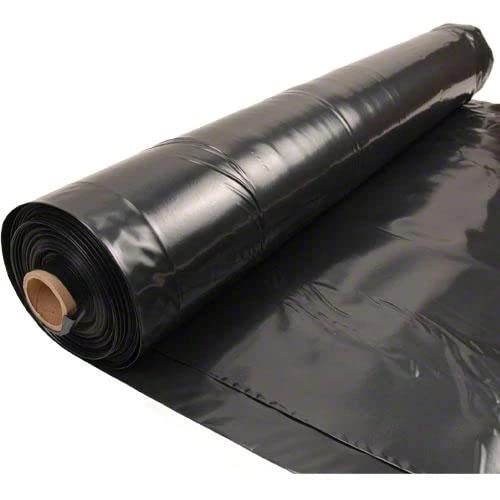
Best for larger garden beds or multi-purpose use in landscaping and weed control. The 4-mil thickness provides sturdy performance for durable weed barriers and various DIY projects. It is a solid all-around option if you need a single, versatile sheet for multiple outdoor tasks. Limitation: not transparent, so not suitable where light is required for certain ground-cover crops.
Feitore — 4 Mil Black Plastic Sheeting

Best for long-lasting weed barrier with strong, durable construction. This 4-mil polyethylene sheet blocks sunlight effectively and holds up against rain, wind, and sun exposure. It helps protect flowers and vegetables by reducing weed growth while preserving soil moisture. A caution: ensure edges are secured well; exposed edges may lift in strong winds in open fields.
Yowlieu — 6 Mil Clear Greenhouse Plastic Sheeting

Best for creating controlled greenhouse environments. The 6-mil clear polyethylene film provides high durability and UV resistance with good light transmission, helping plants receive even illumination while maintaining warmth. It’s suited for season extension, seedlings, and protected cultivation. Caution: clear films will transmit light; plan for shading or ventilation if light levels become excessive in hot climates.
Buying Guide
What should you consider when buying plastic for garden rows?
- Thickness and durability: Thicker plastics (like 4 mil) resist tearing and are better in windy areas, but lighter options (1.5–3 mil) are easier to manage for small beds.
- Color and light transmission: Black sheeting blocks light and warms soil, ideal for weed suppression. Clear or translucent films are better for greenhouses or seed germination where light is necessary.
- UV protection: UV-stabilized plastics last longer outdoors, reducing degradation from sun exposure.
- Moisture management: Permeable weed barriers allow air and water through while blocking weeds, helping to preserve soil moisture and structure.
- Installation considerations: Secure edges to prevent wind lift; consider overlap length and anchoring methods for your location and bed size.
- Crop compatibility: For crops needing sunlight or warmth, ensure the chosen material supports appropriate germination and growth requirements.
Practical buying tips
- For weed suppression in perennial or long-season beds, a 4 mil or thicker black barrier is a reliable option.
- If you manage a greenhouse or season-extension project, a clear 6 mil film offers durability and light transmission.
- To keep soil moist while blocking weeds, pair a weed barrier with a drip irrigation system and mulch on top where appropriate.
Frequently asked questions
- What is the main difference between black and clear plastic for garden rows?
Black plastic primarily blocks light to suppress weeds and warms the soil, while clear plastic allows light transmission, useful for greenhouses or seedling growth.
- How thick should garden weed barrier plastic be?
Most garden applications use 4 mil as a sturdy default, with 1.5–3 mil for lighter, smaller projects and 6 mil for longer-term greenhouse use.
- Can I use these plastics directly on bare soil?
Yes, but secure edges well and consider adding mulch cover or mulch layers to prevent wind displacement and to improve performance.
- Is UV protection important for outdoor weed barriers?
Yes, UV-stabilized plastics last longer outdoors and resist cracking under sun exposure.
- What kind of maintenance is needed after installation?
Periodically check for tears or edges lifting, reseal or replace damaged sections, and ensure irrigation lines are not obstructed by the barrier.