Plastic bag pots offer a flexible, affordable option for starting seedlings, transplanting saplings, and growing vegetables, flowers, and fruit trees. This guide reviews top options that balance durability, airflow, drainage, and ease of use. Each product is evaluated for practical garden needs, from small-space seed starting to larger container growth, helping American gardeners choose the right bag setup for healthier transplants and successful growth.
| Product | Size / Type | Key Benefit |
|---|---|---|
| Belit 100 Pcs Plant Nursery Bags (3.5″x6.6″) | Small seedling bags | Good flexibility and drainage for young plants |
| Belit 100 Pcs Plant Nursery Bags (3.5″x7.6″) | Medium seedling bags | Easy to move without tearing |
| GREANER 100 PCS Nursery Bags (6.3×5.7″) | Biodegradable, non-woven | Direct planting in ground, high air flow |
| ENPOINT Black Plant Grow Bags (5.5×5.9″) | Non-woven fabric grow bags | Compact, plant-friendly for seed starts |
| Land Guard 4-Pack Fabric Grow Bags (5 Gallon) | Thickened nonwoven grow bags | Durable handles, strong for moving |
Belit 100 Pcs Plant Nursery Bags (3.5″x6.6″)

Belit’s nursery bags are designed for flexible handling of seedlings and saplings. The bags feature high-quality PE material that resists tearing when moved and provides a stable container for early growth. Drainage is enhanced by multiple holes on the sides and bottom, promoting air circulation and preventing root rot. Suitable for flowers, fruit trees, saplings, and vegetables, these bags support easy transplanting and consistent watering. Use in family gardens or agricultural settings to start generations of healthy transplants.
Belit 100 Pcs Plant Nursery Bags (3.5″x7.6″)
This larger Belit option shares the same flexible PE construction and robust drainage as its smaller counterpart. The expanded height accommodates more soil and larger root systems while maintaining ease of transport. Multiple drain holes help keep soil at optimal moisture levels and allow fresh air to reach developing roots. Ideal for storing and growing flowers, fruit trees, saplings, and vegetables in home gardens or small-scale farms.
GREANER 100 PCS Nursery Bags (6.3×5.7″), Biodegradable

GREANER’s seed starter bags are made from high-quality non-woven, biodegradable material, allowing direct planting in soil. The bags measure 6.3×5.7 inches (diameter x height) and, once soil is added, become 3.5×3.9 inches in soil footprint. They provide adequate air permeability and drainage, contributing to higher seedling survival rates. The biodegradable design helps reduce waste and simplifies transplanting when seedlings are ready for garden beds or containers.
ENPOINT Black Plant Grow Bags (5.5×5.9″)
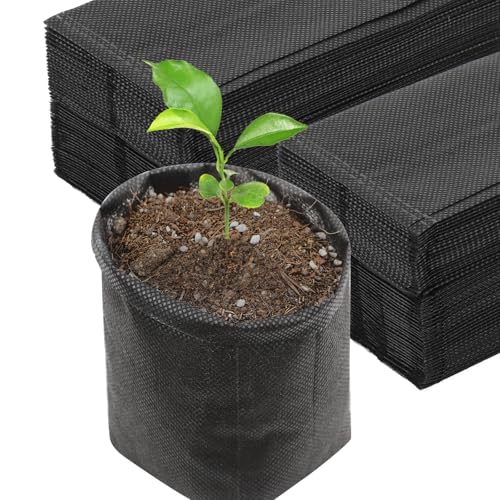
ENPOINT’s growing bags are designed for efficiency and space-saving use. The 5.5×5.9 inch bags hold about a gallon of soil, making them ideal for seed starts, cuttings, and cloning projects. They’re easy to stack and store, and their breathable fabric promotes healthy root development. The bags support better water permeability, enabling moisture and nutrient movement to roots, which can improve seedling vigor and transplant readiness.
Land Guard 4-Pack Fabric Grow Bags (5 Gallon)

Land Guard’s 5-gallon fabric grow bags emphasize durability with sturdy nonwoven fabric and reinforced handles. The material balances breathability with strength, helping prevent over-watering while supporting robust root growth. These bags are designed for easy movement and repositioning as plants mature, making them suitable for family gardens, patios, or small-scale plots where soil and moisture management are important for healthy development.
FULAIERGD 100 Pcs Nursery Bags Set

The FULAIERGD kit includes 100 nursery grow bags (7.5×3.8×2.6 inches), 30 plant labels, and two mini sprinklers. Made from durable PE material, these bags resist tearing and support multiple planting cycles. Each bag features a bottom hole design to ensure airflow and moisture control, suitable for seedlings, herbs, vegetables, flowers, and fruit trees in homes or professional nurseries. The included labels and sprinklers help streamline organization and irrigation management.
OMISTAR 100 PCS Plant Nursery Bags
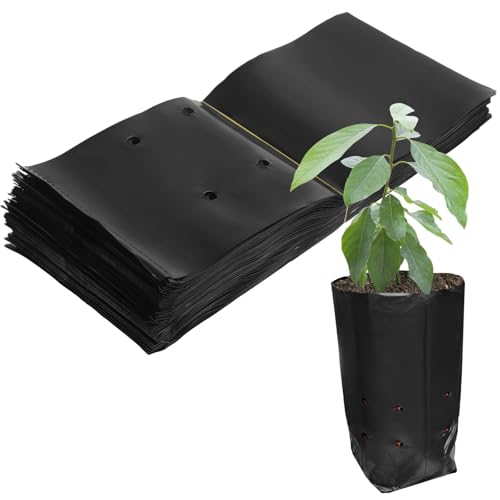
OMISTAR’s nursery bags emphasize root health through multiple drainage holes for moisture balance and aeration. The bags are made from flexible, robust PE plastic and are reusable, supporting cost-effective, long-term use. They are versatile for transplanting a variety of seedlings, including flowers, fruit trees, and vegetables, enabling growers to optimize growing conditions across different plant species in home gardens or agricultural settings.
Viagrow Thick Plastic Grow Bags (3 Gallon) 50 Pack

Viagrow’s thick plastic grow bags offer a low-cost alternative to traditional pots, suitable for potting, seedlings, and rootings. The 3-gallon size is commonly used for rapid transplant beds, drip irrigation setups, and top-feeding applications. While cost-effective, the bags provide adequate durability for seasonal use and are compatible with greenhouse or outdoor cultivation.
Buying Guide: Key Purchase Considerations
- Material and biodegradability: Choose nonwoven fabric for breathability and durability, or biodegradable bags if you prefer an eco-friendly option that can be planted directly into the ground.
- Drainage and aeration: Look for bags with multiple side and bottom holes to reduce root rot and promote healthy root systems, especially important for transplant success.
- Size and capacity: Match bag dimensions to plant type and growth stage. Smaller bags suit seeds and cuttings; larger bags accommodate more soil and bigger root systems.
- Durability and reuse: Consider whether the bags are designed for repeated use or intended for single-season cycles. Reusable bags can lower long-term costs but may require careful handling.
- Portability and handling: Durable handles or easy-grip designs simplify relocation, which matters for optimizing sun exposure and drainage in varying conditions.
- Starter kit features: Some sets include plant labels and sprinklers, which can enhance organization and watering consistency for beginners and nurseries alike.
- Environmental impact: If sustainability is a priority, prefer biodegradable or recyclable options and assess the overall lifecycle of the material used.
In practice, the best choice depends on your gardening goals: quick seedling turnover and transplant efficiency may favor nonwoven bags with robust drainage, while a project emphasizing eco-friendliness might lean toward biodegradable options that can be planted directly in the ground. For home gardens, a mix of small seedling bags and larger grow bags often balances early growth needs with mature plant space management. Consider your climate, watering regime, and available garden space when selecting bag sizes and quantities.