Maintaining a vibrant tetra tank means choosing greenery that supports water quality, provides shelter, and enhances coloration. This article highlights five top aquarium plant options—ranging from live aquatic plants to durable artificial setups—that suit a variety of tank sizes and lighting. Each option is evaluated for ease of care, growth needs, and how it benefits tetra communities in both freshwater habitats and home displays.
| Product | Type | Notes |
|---|---|---|
| Aquarium Plants Factory (Grower’s Choice) | Live | Healthy, prepped stems; diverse species |
| Aquatic Discounts (Bacopa, Hornwort, Java Fern) | Live | Beginner-friendly trio; versatile in small tanks |
| CousDUoBe 11 Pcs Artificial Plants | Artificial | Varied heights; stable decor |
| Ameliade Artificial Plants Large Set | Artificial | Multi-plant habitat with soft edges |
| Ameliade Artificial Plants Small Set | Artificial | Compact options for nano tanks |
Aquarium Plants Factory Grower’s Choice

The Grower’s Choice package includes six different aquarium plant species, each with multiple stems to fill out a tank. Live freshwater plants typically boost oxygen levels and help absorb excess nutrients, supporting healthy water chemistry for tetras. The varied stems provide natural hiding spots and grazing surfaces, which can reduce stress during feeding and exploration. This assortment is well-suited for new tanks or those seeking a natural underwater landscape with ongoing growth and color changes as illumination and nutrients shift. Regular trimming may be needed to maintain shape and prevent overgrowth in small setups.
Aquatic Discounts Beginner Live Aquarium Plants

This set emphasizes simplicity for beginners: Bacopa, Hornwort, and Java Fern. These hardy species tolerate a range of lighting and water conditions, making them suitable for small to medium tetra tanks. Bacopa offers trailing and upright growth, Hornwort acts as a natural filter and shading plant, and Java Fern thrives with minimal substrate requirements. For tetras, these plants create a dynamic environment—providing shelter during schooling and surfaces for microscopic life to flourish, which can enrich feeding behavior and overall tank vitality.
CousDUoBe 11 Pcs Artificial Plant Set
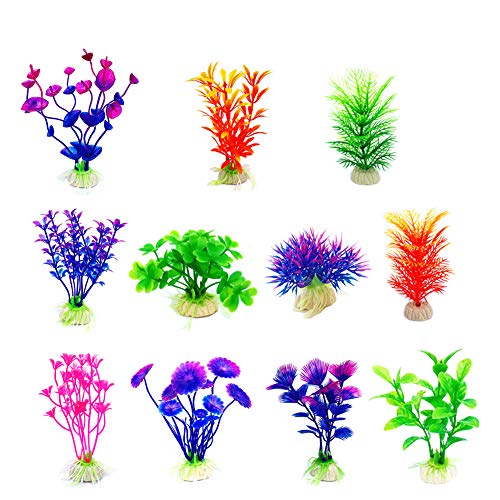
For tanks where live plants aren’t an option, this 11-piece artificial plant kit provides visual appeal without the maintenance. The ceramic bases keep stems stable, and the soft, rounded leaves reduce abrasion risks for curious tetras. While artificial plants do not contribute to biological filtration or oxygenation, they offer constant hiding places and display variety, helping to create a natural-looking aquascape. Regular cleaning is simple—quick wipe-downs remove algae and debris, keeping the decor vibrant without affecting water chemistry.
Ameliade Artificial Large Aquarium Decor Set

This large artificial plant collection pairs natural-looking leaves with rocks and caves, offering ample hiding spaces for tetras and other small species. The variety of plant heights creates depth in the tank, aiding in territory delineation and reducing aggression. Artificial decor remains visually consistent under varying lighting, making it a dependable choice for fishkeepers who want a striking aquascape with predictable upkeep. Note that artificial decor lacks live biological benefits, so maintain water quality through filtration and regular testing.
Ameliade Small Artificial Plant Kit

Designed for compact nano tanks, this kit includes smaller artificial stems that fit in tight aquascapes without crowding the space meant for swimming. The soft edges and varied textures mimic a natural environment, encouraging exploratory behavior in tetras while keeping the tank visually balanced. This option also stays colorful and upright without pruning, which is ideal for hobbyists who prefer low-maintenance setups or temporary displays during tank cycling or transitions.
Buying Guide: Key Purchase Considerations For Tetras
- Live vs. artificial: Live plants contribute to biological filtration and oxygenation but require lighting, substrate, and regular maintenance. Artificial plants provide constant aesthetics and flexibility, with no impact on water chemistry but no filtration benefits.
- Tank size and layout: Choose plants and decor that complement your tetra group size. Taller stems offer vertical structure, while carpeting plants and low-lying foliage create secure hiding zones for schooling fish.
- Lighting compatibility: Live plants demand appropriate light intensity and duration. If your setup has limited light, lean toward hardy species like Java Fern or Hornwort, or opt for high-quality artificial options.
- Maintenance considerations: Live plants may need trimming and nutrient supplementation; artificial plants require periodic cleaning. Consider your time and commitment when selecting products.
- Water parameters: Ensure plant choices align with your tank’s pH, hardness, and temperature. Most freshwater tetras thrive in moderate conditions; verify plant tolerances accordingly.
- Aesthetic goals vs. tank health: While a lush backdrop enhances visual appeal, prioritize species that suit your environment and contribute to a balanced, safe habitat for tetras.
- Compatibility with tank mates: Ensure the plant texture and size avoid entanglement or injuries for tetras and other inhabitants, while still offering exercise and hiding opportunities.
Choosing the right greenery for a tetra tank involves balancing natural benefits with aesthetic preferences. Live plants can support a healthier cycle, whereas artificial setups offer dependable decoration with low upkeep. The options above cover both pathways, enabling hobbyists to tailor their aquascapes to a range of tank sizes and care levels. Regular monitoring of water quality remains essential to sustain thriving tetra communities alongside their chosen greenery.