Pond health and fish welfare often hinge on the right aquatic plants. The best pond plants provide natural filtration, oxygenation, shade, and shelter for fish, while enhancing water clarity and overall ecosystem balance. Below are five carefully chosen live plants that help manage nitrates and ammonia, stabilize temperatures, and support a thriving pond environment. Each selection includes practical considerations for hobbyists and a quick overview of benefits to help you compare quickly.
| Product | Plant Type | Key Benefit |
|---|---|---|
| Floating Flowering Plant Bundle (Water Hyacinth) | Floating | Natural filtration, shade, rapid surface coverage |
| Water Spangle (Salvinia Minima) – 12 Plants | Floating | Low-maintenance coverage, creates habitat for fry |
| Hornwort (Live Plant) – 4 Bundles | Submerged/Floating | Oxygenation, nitrogen uptake, water movement |
| Hornwort Coontail – 1 Bundle | Floating/Submerged | Water oxygenation and natural filtration |
| Water Spangle (Salvinia Minima) – 24 Plants | Floating | Extensive surface coverage, strong filtration potential |
Note: Always acclimate plants to your pond’s temperature and light conditions before fully introducing them. Monitor ammonia and nitrite levels after planting, and avoid placing fragile plants in areas with strong direct current until they establish roots.
Floating Flowering Plant Bundle: Water Hyacinth For Ponds

The Floating Flowering Plant Bundle provides natural filtration by absorbing nitrates and ammonia, while offering shade and shelter to pond inhabitants. Its rapid growth helps cover surface areas quickly, reducing sunlight-induced algae growth and evaporation. This bundle is suitable for ponds that need quick surface coverage to create a cooler microclimate for fish and beneficial bacteria.
Salvinia Minima – Water Spangle (12 Plants)

Salvinia Minima is a low-maintenance floating plant that aids surface coverage and helps regulate light penetration. The 12-plant package is designed to form a circular cover over a small area, creating shade and a habitat for fry. It’s suitable for ponds with moderate light and fresh water, and it contributes to a stable micro-ecosystem by reducing surface glare and providing a refuge for aquatic life.
Hornwort Aquarium and Pond Plant – 4 Bundles
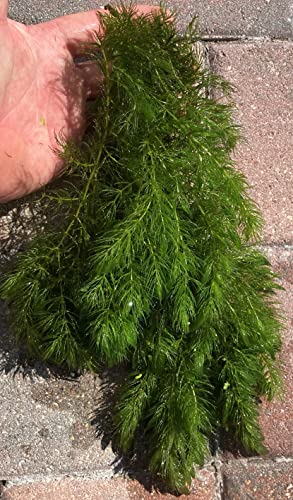
Hornwort supports oxygenation through photosynthesis and acts as a natural filter by absorbing nitrogen compounds and debris. Its flexible growth habit allows it to sway with water currents, providing dynamic movement in the tank or pond. Whether floating or rooted, hornwort improves water quality and enhances overall aesthetics with a lush, grassy appearance that remains vibrant in various light conditions.
Hornwort Coontail – Live Aquarium Plant

This hornwort coontail bundle offers versatile placement in ponds or tanks. It supports oxygenation and helps with natural filtration by consuming nitrogen compounds. Expect a dynamic appearance as the plant sways with currents, while contributing to clearer water and a more stable aquatic environment. Temperature considerations are important; extreme weather can affect live plants, particularly in winter months.
Salvinia Minima – Water Spangle (24 Plants)

The 24-plant option provides substantial surface coverage, which helps moderate pond temperature, limit sunlight, and suppress algae growth. Salvinia Minima remains relatively low-maintenance, making it suitable for beginners and seasoned hobbyists alike. Like other floating plants, it offers shelter for fry and contributes to a balanced nutrient cycle when combined with proper filtration and water testing.
Buying Guide — Key Purchase Considerations
When selecting plants for a fish-friendly pond, consider these factors:
- Light and temperature tolerance: Choose plants that match your climate range and sun exposure to avoid stress or stunted growth.
- Growth rate and spacing: Fast-growing species provide rapid coverage but may require more trimming; slower growers offer gradual benefits.
- Water movement and placement: Submerged plants benefit from gentle currents, while floating plants should have access to sufficient light without being shaded excessively by other thick coverings.
- Filtration and nutrient management: Plants help absorb nitrates and ammonia, but a balanced filtration system remains essential for improving water quality.
- Maintenance: Some species require occasional pruning or thinning to prevent overcrowding and ensure adequate oxygen exchange.
- Temperature extremes: In cold climates, protect live plants during winter or choose hardy species known to withstand seasonal dips.
Plant Compatibility With Fish
Live aquatic plants create a more natural habitat, offering shelter and reducing stress for fish. Floating varieties provide shade, while submerged species contribute to oxygenation. When integrating plants, monitor how fish interact with new growth and adjust light and feeding patterns to support a stable ecosystem.
Water Quality And Nutrient Balance
Plants can help manage nitrates and ammonia, but regular water testing remains essential. Combine plant-based filtration with a properly sized biofilter and routine partial water changes to maintain healthy parameters for fish and beneficial bacteria.