Creating a monarch-friendly garden means choosing plants that provide nectar for adults and host milkweed for caterpillars. The following selections are tailored for American gardens and offer a mix of milkweed varieties and nectar-rich wildflowers to support monarchs throughout the seasons. This article highlights five top options, with practical details to help you compare and decide what to plant.
| Product | Brand | Type | Notes |
|---|---|---|---|
| Seed Needs Milkweed Seeds | Seed Needs | Milkweed Seed Pack | 5-pack mix: Asclepias species for monarchs |
| HOME GROWN Premium Monarch Butterfly Wildflower Seeds Mix | HOME GROWN | Wildflower Seed Mix | 20000+ seeds; long bloom; butterfly-friendly |
| Gardeners Basics Milkweed Seeds 4 Variety Pack | Gardeners Basics | Milkweed Seed Collection | Common, Showy, Butterfly, Rose varieties |
| Monarch Butterfly Rescue Wildflower Seed Packet | Beauty Beyond Belief | Wildflower Seed Packet | Open-pollinated mix focused on monarchs |
| Monarch Garden Kit With Milkweed Seeds | CAMAS POLLINATOR SUPPLY CO. | Milkweed Seed Kit | Perennial and annual mix; quick impact |
Introduction to the topic: Monarchs rely on milkweed plants for their life cycle, while adult butterflies seek nectar from a variety of blooming flowers. The selections below emphasize milkweed varieties and nectar-rich companions to support monarchs from spring through fall. Use well-draining soil and sunlit garden spaces for best results, and consider grouping plants to create easy-to-find nectar sources for pollinators.
Milkweed Seed Collection for Monarchs
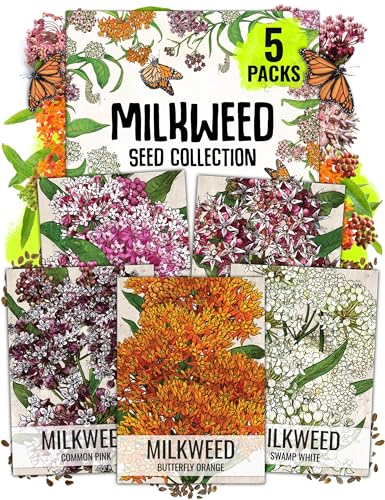
Seed Needs offers a five-pack of milkweed seeds designed to attract monarch butterflies and support their lifecycle. The collection includes Showy Milkweed (Asclepias speciosa), Pink Swamp Milkweed (Asclepias incarnata), White Swamp Milkweed (Asclepias incarnata), Orange Butterfly Milkweed (Asclepias tuberosa), and Common Milkweed (Asclepias syriaca). These varieties provide host plants for monarch caterpillars and nectar sources for adults, helping to sustain monarch populations in diverse garden settings. The seeds emphasize ecological importance and pollinator attraction, making them a strong starting point for a monarch garden.
Monarch-Friendly Wildflower Mix

HOME GROWN’s Monarch Butterfly Wildflower Seeds Mix blends over 20,000 seeds to create a pollinator-friendly habitat. The mix combines milkweed with nectar-rich flowers to extend blooming periods from spring through fall. It is described as easy to grow, with seeds that germinate in 7-14 days, suitable for beginners and experienced gardeners alike. The blend aims to maximize nectar sources for monarchs and attract a broad range of pollinators, supporting biodiversity and garden health across seasons.
Milkweed Seed Variety Pack
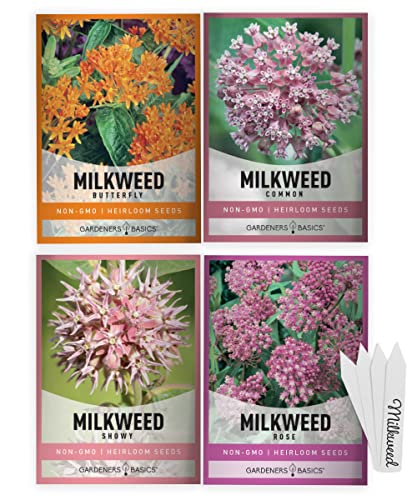
Gardeners Basics provides a four-variety milkweed seed pack, including common, showy, butterfly, and rose milkweed varieties. This assortment targets monarch caterpillar host plants and nectar sources, helping gardeners establish a robust monarch-friendly area. The variety mix supports monarch survival by offering multiple host options and attracting other pollinators, promoting a resilient pollinator garden with diverse plant structure and bloom times.
Monarch Rescue Wildflower Mix

Monarch Butterfly Rescue Mix from Beauty Beyond Belief centers on a blend of wildflowers and milkweed seeds designed to attract monarchs and other pollinators. The kit emphasizes high-quality, open-pollinated seeds with complete planting instructions. It is positioned as a reliable source for gardeners seeking a seed mix that supports monarch populations through nectar-rich blooms and suitable host plants, enhancing habitat value for both monarchs and pollinators in general.
Milkweed Kit For Monarch Habitat

Camas Pollinator Supply Co. offers a Monarch Garden Kit centered on milkweed seeds and mixed wildflowers for a pollinator-friendly space. The kit emphasizes direct impact by increasing milkweed availability, which supports monarch caterpillars and nectar sources for adults. It highlights bare-bones sow-and-grow practicality, with a focus on both annual and perennial wildflowers that return over time, helping gardeners create lasting monarch-friendly habitat. The kit also notes a free e-book on growing milkweed outside and registering a certified monarch waystation.
Buying Guide
- Milkweed variety selection: Choose a mix that includes evergreen perennials and seasonal annuals to ensure food for monarchs across multiple life stages and throughout the growing season. A blend of options increases the chances of seedlings thriving in varying climates.
- Bloom timing and nectar sources: Look for flowers that bloom at different times of the year to provide continuous nectar for adults. Spreading planting across spring, summer, and fall helps sustain monarch activity and pollinator presence.
- Soil and sun requirements: Most monarch-friendly plants prefer full sun and well-drained soils. Consider garden beds, borders, or containers with good drainage to avoid root rot and encourage robust growth.
- Seed quality and germination: Open-pollinated seeds with clear germination instructions tend to perform reliably. Fresh seeds and proper stratification (if required) improve germination rates for milkweed and wildflowers.
- Garden space and maintenance: For beginners, mix seed options that offer easy growth and low maintenance. Dense milkweed stands can be beneficial, but ensure adequate spacing for air circulation and pollinator access.
- Wildlife compatibility and biodiversity: Selecting a diverse mix that includes nectar-rich flowers and multiple hosts for monarchs can support broader biodiversity, attracting bees, butterflies, and birds beyond monarchs.
- Local climate considerations: Some milkweed species prefer H2 hardiness zones and regional climates. Check seed packets or product pages for zone recommendations to align with your area.
- Respect for native flora: Prefer native or regionally appropriate milkweed and wildflowers to minimize ecological disruption and maximize adaptation to local weather patterns and soil.
- Packaging and instructions: Clear planting guidelines, germination times, and care tips help ensure successful establishment. Look for seeds that come with planting instructions and resources for ongoing care.
- Monarch Waystation readiness: Some kits offer extra resources like e-books or certifications. If you want formal recognition, choose products that provide guides for creating certified monarch habitats.
Across these selections, the focus remains on establishing monarch-friendly habitats with milkweed for larval stages and nectar sources for adult monarchs. The combinations balance practical growing steps with ecological benefits, aiming to support monarch populations while enriching your local pollinator ecosystem.