Choosing the right planting bed is essential for growing healthy vegetables with minimal effort. This guide highlights five top options from trusted brands, focusing on durability, depth, drainage, and ease of use. Whether you prefer wooden raised beds or sturdy metal frames, these beds help maximize space and soil quality in backyards, patios, or balconies. Read on for a practical overview, a quick product snapshot, and a buying guide to help you pick the best fit for your garden needs.
| Product | Brand | Type | Key Benefit |
|---|---|---|---|
| The Old Farmer’s Almanac Vegetable Gardener’s Handbook | The Old Farmer’s Almanac | Printed guide | Extensive vegetable guidance and planning tips |
| Best Choice 48x24x30 Raised Garden Bed | Best Choice Products | Wood planter box with liner | Large, elevated planting space with good drainage |
| Best Choice 8x4x2ft Metal Raised Bed | Best Choice Products | Metal framed bed | Deep root space and open-base design for enriched soil |
| Best Choice 6x3x2ft Metal Raised Bed | Best Choice Products | Metal framed bed | Compact yet deep rooting space with tool-free assembly |
| Foxlang 12x4x1ft Galvanized Bed (2 Pack) | Foxlang | Galvanized metal raised beds | Durable, portable, and shallow-to-deep planting options |
The picks above span traditional wooden constructions and robust metal designs, offering options for ground-level soil beds, elevated frames, and mobile setups. Consider the space you have, the depth your vegetables require, and how easily you want to move or reconfigure your garden. The following product sections provide brief, practical overviews to help you compare features and fit for your climate and composting plans.
The Old Farmer’s Almanac Vegetable Gardener’s Handbook

The Old Farmer’s Almanac guide emphasizes practical, step-by-step advice for growing vegetables across more than 30 varieties. It covers essential soil testing concepts, both in-ground and raised-bed methods, and seed-starting and saving techniques. Garden lore and humorous anecdotes from fellow gardeners accompany data-driven reference tables and color photos to assist planning and record-keeping. This resource is valuable for beginners seeking a structured approach and seasoned growers who want to refine their seasonal routines and observations.
Best Choice 48x24x30 Raised Garden Bed
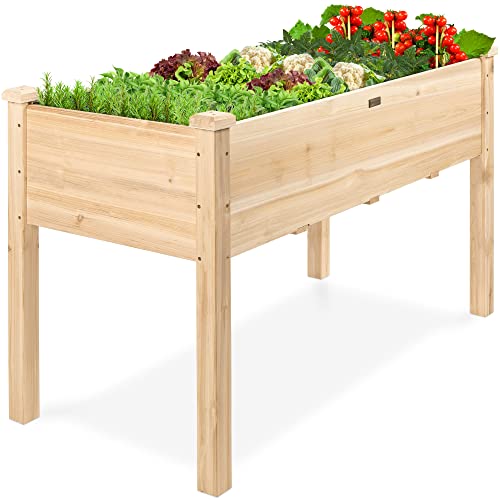
This elevated wood planter offers a sizable footprint for diverse crops, while its liner helps protect soil and manage moisture. The long planting space supports grouping similar vegetables for easier care and harvests. The design emphasizes drainage and air circulation to reduce soil compaction, supporting robust root growth. The natural wood finish provides a classic aesthetic for patios or decks and fits well with many garden styles. It is suitable for gardeners seeking a ready-to-assemble, roomy raised bed with a focus on accessibility.
Best Choice 8x4x2ft Metal Raised Bed
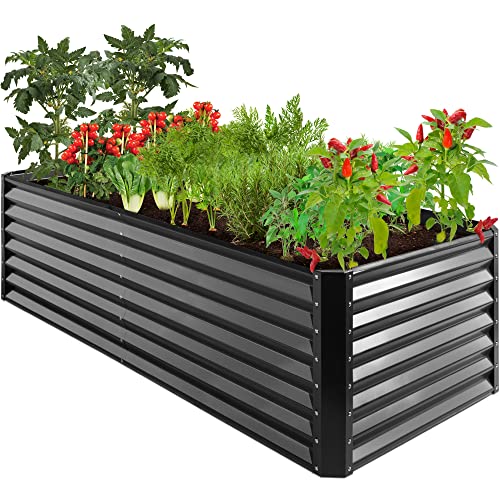
This large, deep-bed design is ideal for medium to deep-rooting crops and features a ribbed open-base structure that supports soil layering and composting. The metal panels provide durability and a modern look, while tool-free assembly makes setup straightforward. Note that there is no bottom panel, which can be advantageous for air pruning and drainage if used in dry climates. This model is suited for gardeners prioritizing height, depth, and long-term resilience in outdoor spaces.
Best Choice 6x3x2ft Metal Raised Bed
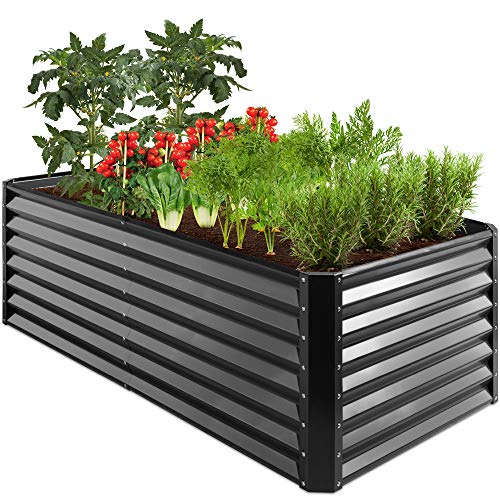
This compact metal bed provides a solid 24 inches of growing depth, supporting vegetables such as broccoli and beans. Its powder-coated steel panels contribute to longevity and weather resistance. The assembly remains tool-free, with wingnuts and rubber-edged joints for safety and ease. The design is ideal for gardeners with limited space who still want a robust growing environment for seasonal crops and herbs, and who value a sturdy frame that withstands wind and rain.
Foxlang 12x4x1ft Galvanized Bed (2 Pack)
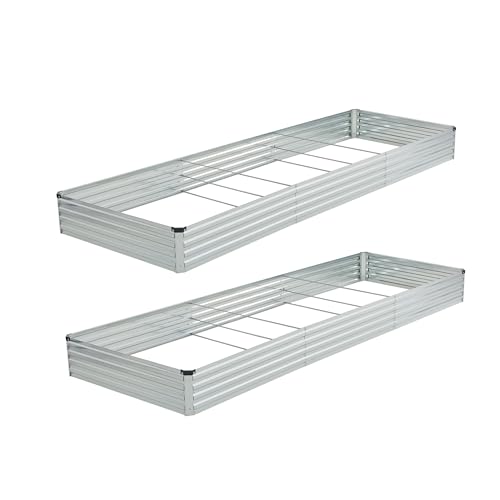
The Foxlang galvanized beds offer portability and durability with a shallow-to-mid-depth footprint. The 12x4x1 ft size is well-suited for beginners and experienced gardeners aiming to arrange multiple beds or experiment with successive planting. The galvanized steel resists corrosion, while the open base promotes drainage and root health. Easy assembly and the option to relocate provide flexibility for adjusting sun exposure throughout the growing season.
Best Choice Raised Garden Bed With Wheels
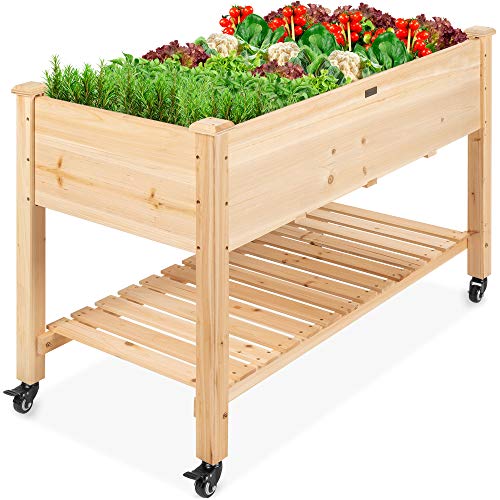
This mobile bed combines elevation, accessibility, and storage. Locking wheels enable repositioning to capture sun variations and optimize plant growth. A built-in storage shelf helps keep tools and supplies within reach, while a protective liner separates soil from wood to minimize rot and weed intrusion. Its height is friendly for gardeners who prefer to work standing up, reducing strain during long maintenance sessions.
Buying Guide for Planting Beds: Key Considerations
- Bed depth and crop needs: Deep-rooted vegetables like tomatoes, peppers, and squash benefit from beds with at least 12–24 inches of soil depth. Shallow beds work for greens and herbs.
- Material and durability: Wood beds offer natural aesthetics and insulation, but metal beds provide longevity and strength. Consider weather exposure and maintenance requirements for your climate.
- Drainage and soil structure: Well-drained beds prevent root rot and nutrient leaching. Open-base designs can improve drainage and facilitate compost layering but may require extra weed management.
- Mobility and placement: Elevated and wheeled beds reduce bending and back strain. Mobile options are useful for chasing sun or creating microclimates for specific crops.
- Assembly and maintenance: Tool-free assembly saves time, while sturdy hardware and liners extend bed life. Plan for liners to protect wood from soil moisture and pests.
- Space efficiency: For small spaces, vertical stacking or narrower beds maximize usable area. Ensure access for watering and harvesting from all sides.
- Maintenance costs and replacement: Consider long-term costs for liners, coatings, and potential soil amendments to maintain fertility and drainage.
In choosing a planting bed, align the bed size and material with your garden goals, climate, and labor preferences. Wood options offer a classic look and natural insulation, while metal frames promise durability and a modern aesthetic. If ease of movement matters, beds with wheels or compact footprints can improve daily management. For beginners, a well-illustrated guide can complement hands-on practice by providing season-by-season planning and troubleshooting tips.