Growing your own vegetables is easier with the right planter box. This guide highlights five durable, ergonomic options that suit balconies, patios, and backyards. Read on to compare construction, capacity, and mobility features to help you choose a raised garden bed that fits your space and needs.
Summary of chosen products:
| Product | Brand | Key Benefit | Capacity |
|---|---|---|---|
| Elevate 32″ Raised Garden Bed | LEETOLLA | Heavy-duty anti-rust steel with wheels for mobility | 400 lbs |
| MIXC Wooden Raised Garden Bed | MIXC | Solid wood frame with metal reinforcements | Deep 9″ bed |
| FOYUEE Raised Planter Box | FOYUEE | Large capacity with rolling wheels | 2.5 cu ft soil |
| Yaheetech Divisible Wooden Bed | Yaheetech | Two planting zones, easy split | Two sections |
| Best Choice 48 x 24 Raised Bed | Best Choice Products | All-wood construction with bed liner | 5 cu ft |
LEETOLLA Elevate 32″ Tall Raised Garden Bed

The LEETOLLA Elevate bed combines heavy-duty anti-rust steel with practical mobility. Its 32-inch height reduces bending, making gardening accessible for users with back considerations. The bed accommodates up to 400 pounds of soil, and its powder-coated finish offers rust resistance for years of use. A dual-wheeled design and ergonomic handlebar simplify repositioning, even with soil and plants, and the compact footprint suits narrow balcony corners. A dual-layer drainage system (five holes plus cross lines) helps prevent waterlogging and supports healthy root development after heavy rain.
MIXC Wooden Raised Garden Bed With Legs
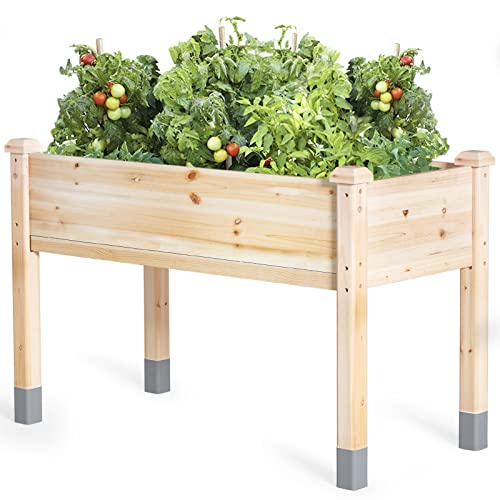
The MIXC bed uses untreated fir wood with reinforced columns and beams, designed to resist warping and improve load bearing. Measuring 48 inches by 24 inches with about 31 inches in height and a 9-inch planting depth, this bed provides robust support and a long service life in outdoor environments. It includes four drainage holes and a waterproof liner to prevent wood rot and soil moisture loss, making maintenance simpler for vegetable and herb gardening. The structure emphasizes precise, millimeter-level assembly guidance for stability and durability.
FOYUEE Raised Planter Box With Legs On Wheels

FOYUEE offers a larger elevated bed with 2.5 cubic feet of soil capacity. Its 40.5″ by 15.7″ footprint and 31.5″ height provide generous planting space while keeping back strain low thanks to the ergonomic height. The galvanized steel frame features an anti-rust coating, ensuring durability for outdoor use. Built-in wheels enable easy relocation to optimize sun exposure, water access, or entertainment layouts on patios and decks. This model emphasizes mobility alongside significant planting volume for vegetables, herbs, and flowers.
Best Choice Products 48 x 24 x 30 Inches Raised Garden Bed
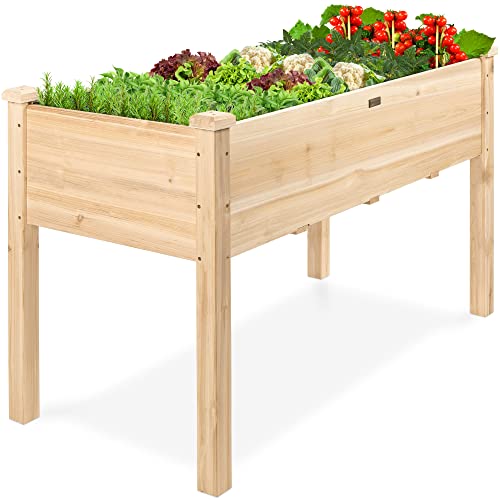
This all-wood raised bed from Best Choice Products features a long planting area (about 5 cu ft) and a deep, well-drained bed. The natural Chinese fir wood is durable and weather-resistant, designed to sustain outdoor use. A bed liner helps protect the wood from soil moisture, extending the life of the planter. The design prioritizes an ample growing space, with straightforward assembly using basic hardware for a reliable, low-maintenance garden bed suitable for vegetables, leafy greens, and herbs.
Best Choice Products 6x3x2ft Outdoor Metal Raised Bed
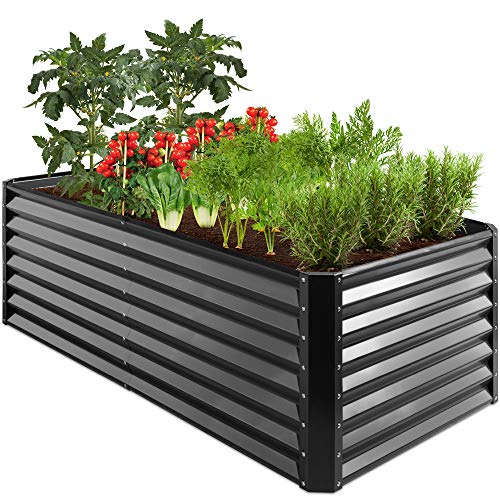
This gray metal raised bed from Best Choice Products features a deep root box with 24 inches of depth, supporting medium to deep root vegetables and robust crops like broccoli. It uses powder-coated steel panels for added sturdiness and corrosion resistance. The design emphasizes tool-free assembly and a solid, low-profile frame. Note that it does not include a bottom panel, so planters may require appropriate indoor or outdoor support to prevent sagging over time. This option suits gardeners seeking a sturdy, space-efficient metal bed for varied crops.
Buying Guide: Key Considerations For Choosing A Vegetable Planter Box
Material matters when selecting a raised garden bed. Metal frames offer durability and a modern look, but may heat up quickly in direct sun. Wood beds provide natural aesthetics and good insularity, yet require treatment to resist rot. Consider the climate, maintenance willingness, and whether a bed’s height and footprint fit your space and back comfort.
- Height and accessibility: Taller beds reduce bending and back strain. Check the seating or standing options in your space and choose a height that aligns with your gardening posture.
- Weight capacity and soil depth: Vegetables with deeper root systems, like tomatoes or peppers, benefit from deeper beds. Confirm soil capacity in pounds and the bed’s depth to ensure you can fill with healthy soil.
- Mobility: If you have a balcony or variable sun exposure, wheels and handles can be valuable for repositioning to optimize sunlight or to protect plants during extreme weather.
- Drainage and liners: Proper drainage prevents waterlogging and root rot. A built-in drainage system or a separate liner helps preserve wood and soil quality.
- Durability and climate suitability: Powder coating, rust resistance, and rot protection extend bed life in rain, snow, and sun. For wet climates, galvanized metal or treated wood is often preferred.
- Assembly and maintenance: Look for clear instructions and included hardware. Some beds come with liners or trays to simplify moisture management and cleaning.
When selecting among the options above, weigh your space constraints, preferred maintenance level, and whether you value mobility or a fixed installation. For users prioritizing back-friendly gardening, tall, wheeled beds like the LEETOLLA Elevate model offer strong ergonomics. For traditional aesthetics and robust wood framing, the MIXC and Yaheetech options provide structural strength and modular layouts. Metal beds provide longevity and low maintenance, while bed liners and drainage accessories help protect materials and soil quality over time.