Growing a thriving lemon tree requires targeted nutrition. The right plant foods support strong foliage, rich blooms, and juicy fruit. This guide highlights five high‑quality lemon tree fertilizers available on Amazon, covering organic options, balanced NPK blends, and easy-to-use liquid formulas. Each product is evaluated for ease of use, nutrient content, and suitability for Meyer lemons and other citrus varieties.
| Product | Brand | NPK (approx.) | |
|---|---|---|---|
| Lemon Tree Fertilizer, Complete Lemon Tree Plant Food, 8 oz | TPS NUTRIENTS | Not stated on product listing | Simple mixing: 2 tablespoons per gallon of water; tailored for Meyer lemons |
| Liquid Lemon Tree Fertilizer by Perfect Plants | 8 oz | PERFECT PLANTS | 6-3-3 | Easy 2 Tbsp per 1 gallon water; includes micronutrients |
| Down To Earth All Natural Citrus Mix 1 lb | Down To Earth All Natural Fertilizers | 6-3-3 | OMRI-listed; organic additives; broad micronutrient blend |
| GARDENWISE Professional Citrus Fertilizer + Vital Micronutrients (1 Quart) | GARDENWISE | 6-4-6 | Includes magnesium, zinc, copper, iron, boron; long‑lasting |
| Premium Liquid Lemon Tree Plant Fertilizer – Gardenera | 8 oz | Gardenera | 3-1-2 | Organic, indoor‑focused formula; promotes lush foliage and fruit |
Note: The recommendations below focus on the five products above, chosen for relevance to lemon trees, citrus versatility, and user-friendly application. Always follow label directions and adjust feeding based on tree age, pot size, and local growing conditions.
TPS NUTRIENTS Lemon Tree Fertilizer
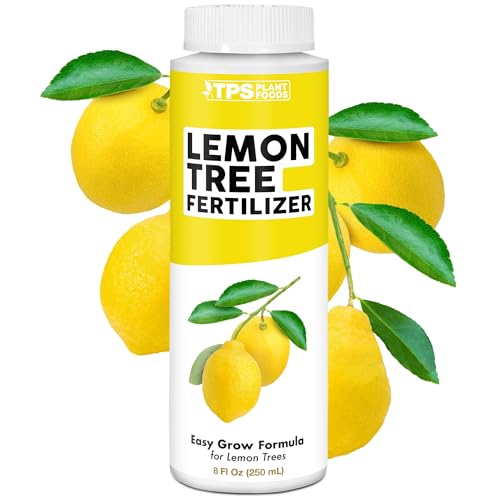
TPS NUTRIENTS offers a simple, ready-to-use liquid formulation designed specifically for lemon trees. The packaging emphasizes ease of use: mix two tablespoons of the liquid per gallon of water and apply as you water. This approach helps ensure consistent root access to nutrients without the complexity of slow-release spikes. The nutrient profile is crafted to promote healthy foliage and robust fruit production, with Meyer lemon trees highlighted as a fit. For beginners or busy gardeners, the straightforward instructions reduce the risk of overfeeding while supporting year‑round vitality.
Perfect Plants Liquid Lemon Tree Fertilizer
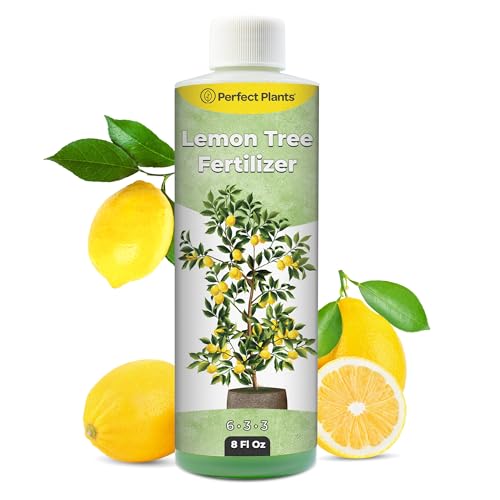
This liquid plant food from Perfect Plants features a balanced 6-3-3 NPK with additional micronutrients like zinc and manganese. It’s designed for both outdoor landscapes and indoor pots, making it a flexible option for lemon trees in varied settings. Application is simple: mix two tablespoons of the fertilizer per one gallon of water, then water the soil evenly to nourish roots and support rapid growth and flowering. The formula targets not only growth but fruit production, aiming to help trees reach full potential in a relatively short period.
Down To Earth Citrus Mix Organic Fertilizer

Down To Earth’s All Natural Citrus Mix provides a balanced 6-3-3 NPK with essential minerals such as calcium, sulfur, iron, and zinc. It’s crafted from premium natural sources, including feather meal, fish bone meal, alfalfa meal, and kelp. The product is OMRI-listed, aligning with organic gardening standards. Practically, this blend supports foliage health, flowering, and edible fruit while avoiding synthetic additives. It’s well-suited for organic or sustainable citrus care and can be a strong long-term option for lemon trees in home gardens and patios.
GARDENWISE Citrus Fertilizer With Micronutrients

GardenWise presents a comprehensive citrus formula designed to support indoor and outdoor trees alike. The blend provides a balanced NPK alongside essential micronutrients. Highlighted benefits include a potential yield boost and greener foliage due to magnesium’s role in chlorophyll production. The product stresses convenience: fewer applications per year can sustain nourishment for up to two months, providing a practical, cost-effective approach for consistent citrus health and fruit quality across seasons.
Gardenera Premium Lemon Tree Liquid Fertilizer

Gardenera’s Premium Liquid Lemon Tree Plant Fertilizer is tailored for indoor citrus care. The 3-1-2 concentrate emphasizes organic ingredients and avoids synthetic additives, making it suitable for living spaces and controlled environments. The formula aims to support vigorous growth while maintaining the tree’s natural vigor and flavor profile for lemons. Gardeners seeking an organic, indoor‑friendly option will find this product aligns well with houseplant care routines, providing steady nourishment without harsh chemicals.
Buying Guide: Key Considerations For Lemon Tree Fertilizers
- Form and application: Liquid formulas (like most listed here) are typically easier to apply and adjust than granular spikes. Consider whether you prefer quick dilution and regular watering or a slower release approach.
- NPK balance: Citrus trees benefit from balanced NPK blends with adequate nitrogen for growth and phosphorus/potassium for flowering and fruiting. Look for ratios around 3-6% nitrogen for indoor trees and slightly higher for outdoor vigor.
- Micronutrients: Magnesium, iron, zinc, and boron support leaf color, chlorophyll production, and fruit set. Micronutrient-rich blends can improve overall tree health and yield quality.
- Organic vs synthetic: Organic options (OMRI-listed or plant-based sources) appeal to sustainable gardeners and organic growers, especially for edible crops. Synthetic blends may offer faster results in some cases.
- Indoor vs outdoor suitability: Indoor citrus care often requires gentle feeding and consideration of pot size, humidity, and light. Outdoor trees may tolerate more frequent feedings and a broader nutrient spectrum.
- Root health and watering: Always water deeply after feeding to ensure nutrients reach the root zone. Avoid overfeeding, which can cause leaf burn or root stress.
- Reuse and reliability: Choose products with clear usage instructions and readily available replacements. Consistency helps maintain steady uptake and growth.
The selections above provide a spectrum of options from organic to balanced liquid formulas, each designed to support lemon trees in American home gardens and urban spaces. When choosing, consider your tree’s age, environment, pot size, and whether you prioritize ease of use or organic ingredients. Regular monitoring of leaf color and growth will help you fine-tune feeding schedules for optimal fruit production.