Growing fruit trees at home requires balanced nutrition that supports flowering, fruit set, and ongoing vigor. The right plant food helps trees develop strong roots, abundant blooms, and tasty fruit. The following selections represent a mix of organic and traditional formulations designed to feed fruit, citrus, and nut trees across different garden setups. Use as directed to maximize yield while maintaining soil health.
| Product | ||
|---|---|---|
| Miracle-Gro Fruit & Citrus Plant Food Spikes | — | Fruit and citrus trees seeking seasonal feeding |
| Jobe’s Organics Granular Garden Fertilizer | 3-5-5 | Fruit and nut plants, organic program |
| Down To Earth All Natural Fertilizers Organic Fruit Tree | 6-2-4 | Organic home orchards and fruit trees |
| Espoma Organic Citrus-Tone | 5-2-6 | Citrus, avocado, and nut trees |
| Jobe’s Garden Fertilizer Spikes | 8-11-11 | Fruit and citrus trees, simple seasonal feeding |
Miracle-Gro Fruit & Citrus Plant Food Spikes
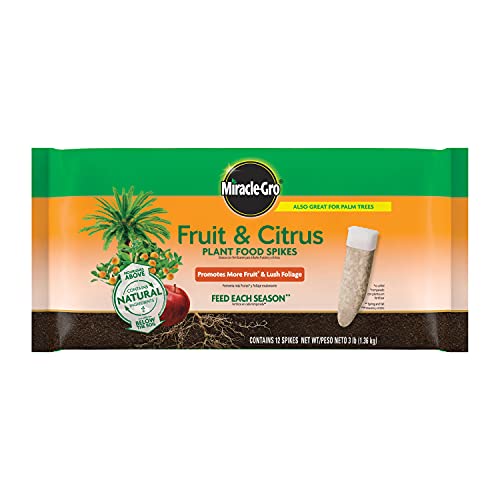
Miracle-Gro’s fruit and citrus spikes are designed for hands-off seasonal feeding. The product is marketed to promote more fruit and lush foliage when used in spring and fall, aligning with the natural growth cycles of fruit trees. The formula emphasizes natural ingredients, offering a convenient option for homeowners who want steady nourishment without mixing or measuring. Spikes are inserted near the tree’s drip line to deliver nutrients directly to the root zone, supporting steady development through key growth periods. This option suits potted trees or in-ground plantings where a straightforward, timed feeding schedule is a priority.
Jobe’s Organics Granular Garden Fertilizer

This organic fertilizer is formulated to feed fruit and nut plants and trees with a 3-5-5 NPK ratio. The granules are designed to minimize runoff and reduce mess and odor—benefits for backyard orchards and edible landscapes. OMRI-listed for organic gardening, Jobe’s Organics avoids synthetic chemicals, aligning with garden plans that emphasize soil health and sustainable practices. The 4-pound bag size is practical for mid-sized trees or several fruit-bearing shrubs, allowing targeted application near the drip line to sustain fruit production and vibrant foliage through the growing season.
Down To Earth All Natural Fertilizers Organic Fruit Tree

Down To Earth offers an all-natural 6-2-4 blend specifically formulated for fruit trees. The product is OMRI-listed for organic production, making it a strong choice for home orchards focused on sustainability. The addition of calcium supports proper fruit development, reducing issues like cracking and split pits in some varieties. A five-pound bag provides ample feed for multiple trees or a single larger specimen, promoting productive home orchards and durable yields across seasons while supporting soil health.
Espoma Organic Citrus-Tone

Espoma Citrus-Tone is designed for citrus trees and other fruit-bearing species like avocado and certain nuts. This organic fertilizer features a 5-2-6 ratio with added calcium, while the Bio-tone microbial blend supports soil biology. It is described as ready to use with no mixing required, and recommended for seasonal application late winter before blooming, with follow-up in spring and fall. The formulation supports vigorous growth and abundant fruit, particularly in climates with defined dormancy and budding periods. Users seeking a ready-to-use option that emphasizes soil biology may prefer Citrus-Tone for citrus-centered orchards.
Farmer’s Secret Fruit Tree Booster Fertilizer

Farmer’s Secret offers a concentrated booster fertilizer formulated for all fruit trees, including peaches, bananas, and apples. The product targets the early growth cycle—from after dormancy through initial fruit bud development—when nutrition is critical for strong establishment and robust yields. Described as highly concentrated, a small amount is designed to go a long way, making it suitable for larger trees or homeowners who want a potent option with fewer applications. This booster is positioned for orchard-level results in home settings, emphasizing early-season vigor and fruiting potential.
Buying Guide
Choosing the right plant food for fruit trees involves balancing nutrient needs, application method, and environmental considerations. Here are key factors to evaluate:
- NPK ratio and target nutrients: Fruit trees benefit from balanced mixes with nitrogen for growth and phosphorus for root development. Some products emphasize calcium for fruit development, while others provide a general NPK blend. Consider your tree type (citrus, pome, stone fruit) and soil tests when choosing.
- Organic vs synthetic: Organic blends support soil biology and long-term soil health, often with lower environmental impact. Synthetic fertilizers can deliver rapid results but may require more careful management to prevent nutrient runoff and salt buildup.
- Application method: Spikes and slow-release formulations minimize repeated handling and measurement. Granular and liquid options can offer flexibility for potted trees or varying soil conditions.
- OMRI certification: For organic gardeners, OMRI-listed products indicate compatibility with organic growing standards and practices.
- Seasonal timing: Most fruit trees benefit from feeding in late winter or early spring and a second application in fall. Some products are designed for precise seasonal windows—follow label directions for best results.
- Tree size and soil health: Larger trees with established root systems may require higher total nutrient input. Conduct soil tests to tailor applications and avoid over-fertilization, which can harm both tree health and soil structure.
- Safety and environment: Choose products with clear application instructions, low odor, and minimal runoff potential. Organic options are often preferred by gardeners prioritizing environmental stewardship.
In practice, a mixed approach works well for many home orchards: use a ready-to-use option for convenience on smaller trees and reserve concentrated boosters for early growth stages or larger specimens. Always follow product-specific directions and consider soil testing to fine-tune your feeding strategy over time.