Acid-loving plants such as azaleas, camellias, rhododendrons, hydrangeas, blueberries, and gardenias thrive with specialized fertilizers that both feed and balance soil pH. The following selections focus on iron-rich formulas, soil acidification, and microbial-enhanced blends to promote lush foliage and vibrant flowers. This guide compares five top options and highlights how they support soil health and plant vigor in American gardens and containers.
| Product | Brand | Key Benefit |
|---|---|---|
| GARDENWISE 8-4-8 Acidic Fertilizer | GARDENWISE | Iron-rich formula; soil acidification; broad acid-loving plant support |
| Scotts Miracle-Gro Miracid | Scotts | Fast-acting acid-loving plant feeding; root and leaf uptake |
| Miracle-Gro Azalea, Camellia, Rhododendron Food | Miracle-Gro | Immediate feeding for key acid-loving species; indoor/outdoor versatility |
| Hydrangea Fertilizer (Liquid) | TPS NUTRIENTS | Complete liquid formula for lush hydrangeas and blooms |
| Down To Earth Acid Mix | Down To Earth All Natural Fertilizers | Organic blend designed for low-pH-loving plants; blueberries, rhododendrons |
Choosing the right plant food depends on soil pH, the specific acid-loving species you grow, and whether you prefer granular, liquid, or organic blends. The following sections offer concise product overviews, linking to reputable sources and explaining how each option supports soil health, nutrient delivery, and long-term plant vitality.
GARDENWISE 8-4-8 Acidic Fertilizer

GARDENWISE 8-4-8 is engineered for acid-loving shrubs and trees, containing magnesium, iron, and manganese to prevent chlorosis and promote vibrant foliage. The blend also acts as a soil acidifier, supporting root development and nutrient uptake in azaleas, camellias, rhododendrons, and hydrangeas. A distinctive feature is its bio-solid component, enriched with live microbial life that enhances soil biology and overall plant vitality. This approach aims to foster a healthier rhizosphere, where microbes boost nutrient availability and resilience against stressors.
Use this formula when your soil tests show elevated pH levels or when your plants demonstrate signs of chlorosis. It is well-suited for blueberries, gardenias, magnolias, evergreens, and related acid-loving species, providing a sustained nutrient release that aligns with seasonal growth cycles. Gardeners should apply according to label directions, avoiding over-application that can lead to nutrient burn.
Miracle-Gro Miracle-Gro Miracid
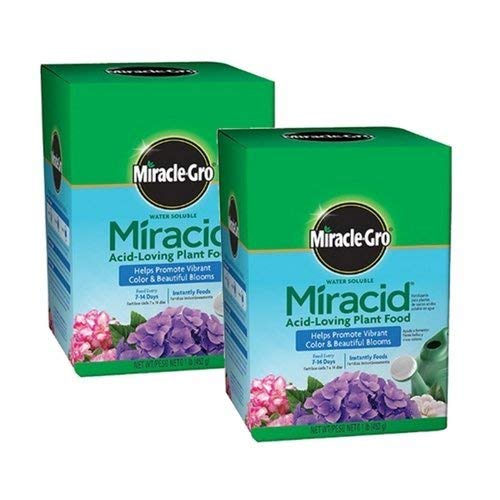
Miracle-Gro Miracid is a water-soluble formula designed for rapid uptake by acid-loving plants. Its two-way feeding system targets both root and leaf tissues, delivering essential nutrients promptly to azaleas, hydrangeas, and rhododendrons. This makes it a practical choice for gardeners seeking quick green-up and immediate bloom support, especially after planting or transplanting. The product is compatible with multiple application methods, including watering can and foliar spray, depending on the label’s guidance.
While fast-acting, Miracid should be used as part of a regular feeding schedule rather than a single application. It is ideal for seasonal bloom cycles, helping plants maintain color and vigor in home landscapes and containers when soils are challenged by pH imbalances or nutrient lockout.
Miracle-Gro Azalea, Camellia, Rhododendron Plant Food

Miracle-Gro’s azalea, camellia, and rhododendron formula focuses on acid-loving plants, providing rapid nutrient delivery to support flowering and foliage. It’s designed for both indoor and outdoor use, making it a flexible option for potted arrangements or garden beds. The product emphasizes quick feeding to sustain vibrant blooms and lush growth across a season, and it can be applied to a range of acid-loving species beyond the core trio listed on the label.
As with other soluble products, follow label instructions to avoid over-fertilization. This option suits gardeners looking for a straightforward, user-friendly feeding solution that works well in containers or mixed borders, especially those incorporating lemony or pink blossoms typical of hydrangeas and azaleas.
TPS NUTRIENTS Hydrangea Fertilizer

TPS NUTRIENTS offers a complete liquid plant food formulated for acid-loving hydrangeas and related species. The product aims to support lush growth and robust blooms while providing a straightforward feeding regimen with clear care instructions. Liquid formulas like this often deliver quick uptake and can be especially helpful during active growth periods or when new shoots appear after pruning.
Hydrangea growers may appreciate how this fertilizer supports vibrant flower clusters and strong foliage. As with all liquid products, consistent application according to the label fosters steady performance through the growing season and helps plants maintain a balanced appearance without signs of nutrient deficiency.
Down To Earth Organic Acid Mix

Down To Earth All Natural Fertilizers’ Acid Mix is an organic option designed for blueberries, rhododendrons, azaleas, camellias, and other low-pH-loving plants. This 4-3-6 blend supports root growth and flowering while maintaining soil life through natural inputs. The organic approach emphasizes soil health, microbial activity, and long-term vigor over quick-release nutrition, appealing to gardeners prioritizing sustainable organic practices.
To maximize benefits, apply the mix early in the growing season and again at bloom time. Fall applications can help roots prepare for winter and enhance resilience. This product aligns with environmentally conscious gardening and offers an appealing alternative to synthetic formulas for acid lovers seeking long-term soil improvement.
Buying Guide: Key Purchase Considerations For Acid-Loving Plants
- Soil pH compatibility: Know your soil’s pH and select a formula designed to lower or buffer pH as needed for your plant species.
- Nutrient balance: Look for iron, magnesium, and manganese for chlorosis prevention and strong foliage; nitrogen levels should support green growth without causing excessive vegetative growth at the expense of blooms.
- Form factor: Granular blends are typically long-lasting and soil-acting, while liquids offer rapid uptake. Organic blends promote soil biology but may require more frequent application.
- Application timing: Align feeding with active growth stages—early spring for vegetative growth and prior to or during blooming for maximal flower production.
- Safety and sustainability: Non-GMO or organic options can reduce environmental impact. Consider products with microbial enhancements that improve soil health over time.
- Plant scope: Choose products that address your entire collection of acid lovers (azaleas, camellias, rhododendrons, hydrangeas, blueberries, gardenias, etc.) to simplify maintenance.
- Container vs. ground: Container plants may require more frequent feeding and careful salt management; in-ground plants typically benefit from slower-release formulas.
In practice, combining a baseline soil-friendly acidifier with a regular feeding schedule tailored to each plant’s growth cycle yields the best long-term results. For some gardeners, a quick-acting Miracid or Miracle-Gro Azalea formula is useful post-planting or after pruning, while others may prefer organic mixes that build soil biology and reduce synthetic inputs over time. Always follow label directions and perform soil or leaf testing when possible to guide adjustments and achieve optimal flowering and foliage health.