Discover the best perennial meadow seed mixes that reliably establish colorful, low-maintenance pollinator spaces. This guide highlights five top options ideal for American gardens, from large 4-ounce blends to bulk wildflower mixes. Each product is chosen for easy “throw and grow” planting, strong germination, and lasting bloom cycles. Best for beginner planters, busy homeowners, or anyone seeking a vibrant, wildlife-friendly meadow with minimal upkeep.
| Product | Best For | Key Benefit |
|---|---|---|
| Fruivity 200,000+ Wildflower Seeds Bulk (4oz) – 16 Varieties | Beginners; Small to medium patches | High variety, quick germination, year-round color |
| PLANTMEW 200,000+ Wildflower Seeds [4oz] 16 Variety Mix | Eco-conscious planners; Mixed borders | USA-sourced heirloom varieties; strong pollinator appeal |
| Burpee Wildflower 25,000 Bulk – 18 Varieties | Budget-conscious projects; Larger areas | Extensive coverage; easy sowing |
| HOME GROWN Monarch Butterfly Wildflower Mix (2oz) | Monarch-friendly meadows; Butterfly gardens | Milkweed integrated; multi-season color |
| Eden Brothers All Perennial Wildflower Mixed Seeds | Long-term perennials; Zone-spanning gardens | 19 species; broad zone compatibility |
Fruivity 200,000+ Wildflower Seeds Bulk (4oz) – 16 Varieties
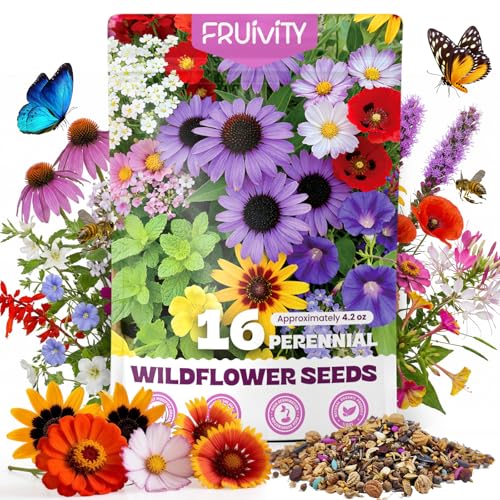
Best for small to medium patches where quick establishment is desired. This mix includes 16 perennial and annual varieties such as Purple Jasmine, Zinnia, and Cosmos, delivering blooms from spring through fall. Seeds are non-GMO and lab-tested for germination, helping create a meadow that attracts bees, butterflies, and hummingbirds. Suitable for indoor or outdoor planting across zones. A caution: with 200,000+ seeds in one bag, overcrowding can occur if not spread evenly in very small spaces.
PLANTMEW 200,000+ Wildflower Seeds [4oz] 16 Variety Perennial Mix
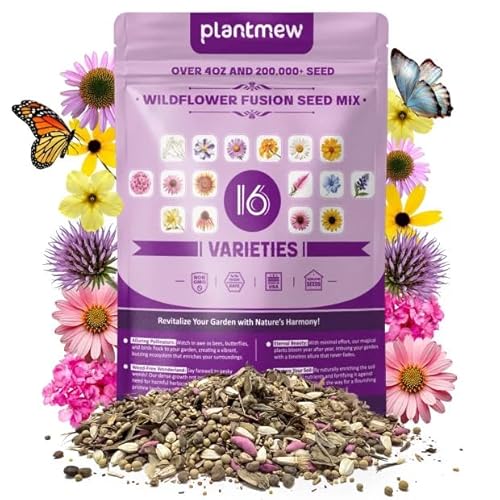
Best for eco-conscious gardeners seeking USA-sourced heirloom varieties. This 4-ounce mix includes Purple Coneflower, Black-Eyed Susan, Blue Flax, and Shasta Daisy to attract bees, butterflies, and birds while enhancing biodiversity. Germination is lab-tested for higher success, and the online growing guide helps beginners cultivate a thriving meadow. One limitation: blends may vary slightly by season, impacting exact color mix year to year.
Burpee Wildflower 25,000 Bulk – 18 Varieties

Better for larger projects with budget considerations. The mix covers up to about 1,000 square feet and includes a wide range of favorites like Cornflower and Zinnia Elegans. It’s designed for easy scattering in sunny areas after frost danger. A note: the bulk format may require more upfront planning to ensure even distribution across a big space.
HOME GROWN Monarch Butterfly Mix (2oz)

Choose this if monarch conservation is a priority. This mix combines milkweed seeds with nectar-rich perennials to create a season-long habitat for monarchs, bees, and hummingbirds. Germination occurs in 7-14 days with a straightforward sowing method. Limitation: focus on butterfly habitat may reduce sheer variety if you want a broader color palette.
Eden Brothers All Perennial Wildflower Mixed Seeds

Best for long-term perennial color across multiple seasons. This 19-species blend covers 250-500 square feet and features favorites like Shasta Daisy, Purple Coneflower, and Black-Eyed Susan. It’s designed for zones 3-10, promoting pollinator activity and minimal maintenance once established. Caution: some varieties may take longer to mature in cooler areas, delaying peak bloom in early-season conditions.
Buying Guide
What should you look for in a perennial meadow seed mix?
- Seed variety and composition: Prefer mixes with a strong emphasis on perennials for lasting color year after year, plus a few annuals for initial bloom.
- Germination and growth: Look for lab-tested germination claims and clear sprouting windows; faster sprouting means quicker meadow establishment.
- Pollinator appeal: If your goal is to support bees, butterflies, and hummingbirds, prioritize nectar-rich perennials and include native or regional varieties.
- Sun and soil requirements: Ensure the mix suits your sun exposure (full sun vs. partial shade) and your soil type. Zone compatibility matters for overwinter survival.
- Maintenance and longevity: Perennial-dominant blends reduce replanting needs. If you want quick color, consider a short-term annual component.
- Seed packaging size: For larger projects, bulk bags are more economical; for small beds, 4-ounce or 2-ounce packs are easier to manage.
What planting method works best?
Most of these mixes respond well to a simple broadcast sowing: rake lightly, water consistently until germination, and provide full sun. For larger areas, divide the plot into sections to ensure even coverage. In cooler regions, plan for a longer establishment window and consider fall sowing where appropriate.
How do I support long-term bloom?
Keep the soil moderately moist during germination, then reduce watering to encourage deep rooting. Mulching helps retain moisture and suppress weeds. Allow perennials to self-seed where appropriate to maintain a natural meadow look over years.
Which mix is best for monarchs?
Monarch-focused blends that include milkweed and nectar-rich perennials are ideal. They provide larval habitat and adult nectar sources, supporting lifecycle needs across seasons.
Are these blends safe for wildlife and pets?
All listed mixes are non-GMO with varied regional suitability. For pet safety, check seed packaging for any added coatings and plant in areas where pets won’t disturb delicate seedlings.
How should I evaluate success?
Assess germination rate, early growth uniformity, and the presence of pollinators within 6-12 weeks after sowing. A continual display through spring to fall indicates a successful meadow.
FAQ
- Q: Do these mixes come with instructions?
- A: Yes, most include simple sowing and care guidance online or on packaging.
- Q: Will these grow in my USDA zone?
- A: Each product lists zone compatibility; choose a mix that matches your climate.
- Q: How long will the blooms last?
- A: Perennials typically bloom for multiple seasons; some annuals provide first-year color.
- Q: Can I sow indoors?
- A: Many mixes support indoor-starting or container planting, but outdoor transplanting often yields quicker results.
- Q: Do these seeds require special conditions?
- A: Generally, full sun and well-drained soil maximize germination and meadow development.