Perennial grasses add texture, movement, and year‑round interest to landscapes. This guide highlights five relevant products that blend practical planting advice with durable ornamental appeal. From comprehensive garden texts to practical bedding grasses, these options help designers and homeowners create resilient, low‑maintenance spaces. The selections span books for learning and live plant options suitable for a variety of sun and soil conditions.
| Product | Brand | Format |
|---|---|---|
| Grasses: Versatile Partners for Uncommon Garden Design | Storey Publishing | Paperback |
| Perennial Farm Calamagrostis ‘Karl Foerster’ | Perennial Farm Marketplace | Plant Live (1 container) |
| Pampas Grass Pack (Live Plants) | TANKDA | Live plants |
| The Encyclopedia of Grasses for Livable Landscapes | Timber Press | Book |
| Gardening with Grasses | Timber Press | Book |
Choosing the right perennial grasses involves balancing climate, soil, sun exposure, and the intended landscape role—from a soft screen to a dramatic focal point. The following sections present five relevant options, including both reference books and living grasses, with concise details to help compare suitability across common American garden settings.
Grasses: Versatile Partners for Uncommon Garden Design

This practical reference from Storey Publishing compiles design insights and practical guidance on using grasses as versatile partners in garden design. The paperback format makes it accessible for field use and at‑home planning. It supports readers seeking to integrate ornamental grasses with other perennials, woody plants, and seasonal transitions. While not a cultivation guide focused on one species, it provides design context that helps gardeners select and place grasses for texture, movement, and year‑round structure. Features include accessible language and a broad view of grass types, cultivation notes, and usage ideas for varied landscapes.
Calamagrostis Karl Foerster (Feather Reed) Ornamental Grass

The Karl Foerster Feather Reed Grass is a tall, arching perennial that delivers drama in borders and perennial mixes. It grows in full sun to light shade and tolerates a range of soils, preferring moisture‑retentive, well‑drained conditions. The cultivar rises 4–5 feet with attractive golden seed heads above the foliage in late spring to early summer, creating a vertical accent that pairs well with flowering perennials and woody plants. Its upright form and reliable habit make it a staple for screens, back borders, and meadow‑style plantings. Plant spacing is typically 30 inches apart for a cohesive display.
Pack 2 Pampas Grass Plants

Pampas grass is a bold, low‑maintenance option with striking plume‑like flower heads that add movement and texture to landscapes. The mixed pack provides live pampas grasses suited for larger landscapes or focal plantings. Pampas grass is drought‑tolerant and can be used to create privacy screens, hedges, or striking standalone statements. It thrives in full sun and can tolerate varied soil types with proper drainage. While relatively hardy, it is important to consider regional moisture levels and management of tall growth in windy sites. This pack emphasizes resilience and visual impact for expansive beds and contemporary designs.
The Encyclopedia of Grasses for Livable Landscapes

This Timber Press volume serves as a comprehensive reference on grasses for landscape designers and informed homeowners. While it is a used book in good condition, it provides broad coverage of grass varieties, cultivation notes, and design considerations for livable landscapes. It supports decisions about selecting grasses that fit climate zones, soil types, and maintenance expectations. The encyclopedia approach makes it valuable for planning multi‑season displays and understanding the roles grasses can play within mixed plantings.
Gardening with Grasses
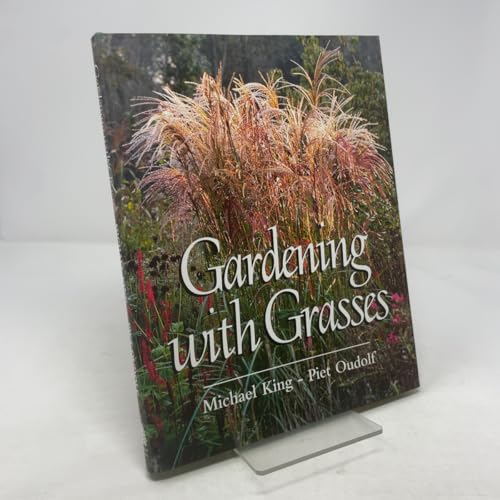
This Timber Press title focuses on practical strategies for incorporating grasses into garden settings. It offers guidance on selecting species for different light, soil, and moisture conditions, and emphasizes design concepts such as mass planting, texture balance, and seasonal transitions. The content supports gardeners seeking approachable, real‑world advice for combining grasses with perennials, shrubs, and trees to create cohesive, low‑maintenance landscapes that perform through changing seasons.
Buying Guide: Key Purchase Considerations And Comparisons
When selecting perennial grasses for landscaping, consider climate compatibility, mature size, and maintenance needs. Hardiness zones and drought tolerance vary by species, so match plants to local conditions and expected seasonal rainfall. Evaluate sun exposure: full sun grasses generally perform best in open spaces, while some varieties tolerate light shade and still provide color and texture. Soil drainage is crucial; many grasses prefer well‑drained soils and adequate moisture during establishment. Consider:
- Growth habit and mature height: Choose grasses that fit the intended border, back row, or focal point. Karl Foerster, for example, delivers height and a distinctive vertical element, while other varieties add mid‑story texture.
- Flower and foliage timing: Plume presence and color can extend visual interest beyond leaf form, especially in late spring through summer.
- Maintenance and longevity: Some grasses require less pruning and are more drought‑tolerant, while others demand regular shaping and moisture management.
- Site conditions: Wind exposure, drainage, and soil fertility influence performance. Pampas grasses, for instance, need ample space and strong sun for best effect.
- Hardiness and regional regulations: Some live plant shipments face restrictions to certain states; reference zone ratings and local guidelines before purchasing.
Design perspectives to weigh include vertical emphasis versus textural contrast, massing strategies for drama, and pairing with flowering perennials to ensure seasonal interest. Reference books included here offer design frameworks and plant‑use ideas, while the live plant options provide practical examples of how grasses perform in real gardens. For a balanced landscape, mix tall back‑of‑border grasses with mid‑height species and low‑growing ground covers to reduce maintenance and enhance microclimates for other plants.