Starting seeds with peat pots offers a simple, environmentally friendly approach to minimize transplant shock. This guide highlights top peat pots and related starter kits that promote healthy root growth and easy transplanting. Each option emphasizes biodegradability, breathable material, and convenient sizing to suit a range of crops—from herbs to vegetables to ornamentals.
Summary of chosen products:
- Back to the Roots Organic & Plantable Seed Starting Pots (24 CT) — Biobased, breathable, peat-free option.
- Jolliance 4” Peat Pots with 60 Pcs Plant Labels — Biodegradable, drainage-friendly, includes labels.
- TAOLABV 30 Packs Peat Pots, 3.1 Inch — Biodegradable, no drainage holes, promotes transplant ease.
- Jiffy Organic Seed Starting 5″ Biodegradable Peat Pots (24 Pots) — Large size for bigger transplants, reduces transplant shock.
- Doubleggs 240 Cells Seed Starter Tray with Biodegradable Pots — Versatile tray with compatible pots and labeling.
Back to the Roots Seed Starting Pots — 24 Count

Back to the Roots offers a fully plantable seed starting solution that emphasizes a 100% biobased composition and a peat-free design. The pots are noted for providing strong root growth due to breathable materials that support drainage and reduce transplant shock. Because these pots avoid glues or binders and are sustainably sourced, they align with eco-conscious gardening practices. Use them for early stage seedlings, then plant the entire pot directly into the soil to minimize root disturbance and simplify transplantation.
Potential benefits include a clean, chemical-free composting path and compatibility with standard seed starting trays. The shorter life cycle of peat-free pots means gardeners can transition to soil more quickly while maintaining healthy root systems. Consider these for herb beds, leafy greens, and starter crops where transplant resilience matters.
Jolliance 4” Peat Pots With Plant Labels
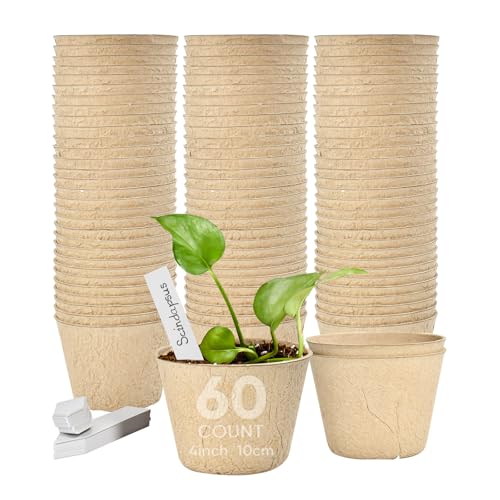
The Jolliance kit provides a 60-count set of 4-inch biodegradable pots paired with 60 plant labels. The pots are molded from recycled pulp and binding agents, delivering a breathable environment that supports robust root development. The packaging note that the pots biodegrade quickly when planted, turning into organic nutrients for plants, which helps simplify post-planting soil health. Drainage holes are included, reducing waterlogging and promoting healthy seedling growth. This kit is well-suited to starting a diverse range of crops, including flowers, herbs, and vegetables, in a compact, ready-to-use format.
Because the pots breathe like clay and are designed to degrade in soil, they can minimize transplant shock when you move seedlings outdoors. They are appropriate for indoor seed starting setups, microgreens, and classroom gardens where ease of use and sustainability are important considerations.
TAOLABV 30 Packs Peat Pots, 3.1 Inch

TAOLABV offers biodegradable seed pots made from paper pulp and plant fibers. The 3.1-inch diameter pots provide a compact option for starting a broad range of vegetables, herbs, and flowers. The pots are designed to break down naturally in soil, leaving no harmful residues. While these particular pots do not include drainage holes, the breathable material helps manage moisture, and the design supports transplanting the entire pot into the garden, reducing root disturbance and shock. Gardeners seeking an eco-friendly option with a straightforward, soil-friendly profile will find these suitable for early seedling stages.
With this setup, you can streamline the seed-to-soil transition by directly planting the pot. It is especially useful for gardeners who prefer a minimalist starter system without additional components or inserts, while still promoting healthy root penetration and growth.
Jiffy Organic Seed Starting 5″ Biodegradable Pots

Jiffy’s 5-inch biodegradable peat pots are sized to accommodate larger transplants, reducing the need for early pruning or pot transfers. These pots come with a simple usage approach: saturate the pots on a tray or stand, fill with seed starting mix, sow seeds, and water as needed. The key advantage is their compatibility with the “plant the pot” method to minimize transplant shock, allowing roots to continue growing as they are integrated into soil. The 5-inch size is especially beneficial for crops that require more root volume before outdoor planting, such as tomatoes, peppers, and certain herbs.
Jiffy pots are designed to work well in classrooms, community gardens, or home setups where consistent moisture management and ease of use are priorities. They pair nicely with Jiffy brand starting mixes for optimal results, though many compatible seed starting mixes will work provided moisture is controlled.
Doubleggs 240 Cells Seed Starter Tray And Biodegradable Pots

Doubleggs combines a 240-cell seed starter tray with 20 packs of biodegradable pots and 200 plant labels, providing a complete indoor or greenhouse growing system. Each cell measures 1.6 by 1.6 inches with a depth of 2 inches, offering versatility for a wide range of seeds including herbs, microgreens, tomatoes, and vegetables. The design aims to minimize transplant shock by allowing gardeners to move seedlings into the ground or larger containers with the pots intact. The inclusion of plant labels helps with seed tracking, an essential feature for gardeners managing multiple varieties or succession planting.
The kit’s modularity supports both indoor seed starting and outdoor production, making it suitable for hobbyists and small-scale growers. The compostable pots naturally degrade in soil, acting as a gentle fertilizer and reducing waste in the transplant process.
Buying Guide: Key Considerations For Choosing Peat Pots
- Biodegradability and material: Prioritize pots made from recycled pulp, peat-free alternatives, or plant-based fibers to minimize environmental impact. Breathable materials support healthier root systems and reduce transplant shock.
- Size and compatibility: Match pot size to your crops. Small herbs may thrive in 2–3 inch pots, while larger seedlings benefit from 4–5 inch pots. Consider whether you’ll transplant the whole pot or remove the plant before planting.
- Drainage: Ensure pots have adequate drainage holes to prevent waterlogged soil, which can stunt growth or rot roots. Some sets include drainage-ready designs, while others rely on good moisture management.
- Ease of use: Kits that combine pots with plant labels or trays streamline organization, especially for beginners or classroom settings. Look for components that fit your existing seed-starting setup.
- Transplant ease: Pots designed for direct planting into soil reduce root disturbance. If you plan to remove plants from pots, verify whether the material allows clean removal or holds firmly to the roots.
- Environmental impact: Consider the lifecycle of the pots from production to degradation. Biobased and compostable options align with sustainable gardening practices and local composting capabilities.
- Cost and waste: A larger kit might be more economical per pot but could generate more waste if not fully utilized. Balance your seed expectations with the pot count and shelf life.
- Labeling and tracking: If growing multiple varieties, built-in labels help prevent mix-ups and support succession planting.
In practice, the best choice depends on your garden size, crop mix, and transplantation plan. For home gardeners who value convenience and environmental responsibility, a peat pot system that supports direct planting and scales with your season is ideal. For classrooms or community gardens, kits that pair pots with trays and labels offer the most organizational benefit. If you prefer larger transplants, select bigger pots that accommodate robust root systems while still enabling direct soil planting.