Homegrown pears can thrive in Zone 4 with the right tree choices. The following selections are hardy, semi-self-pollinating, or cross-pollinating varieties that perform well in cool winters and short growing seasons. This guide highlights five reliable options, detailing growth habits, pollination needs, and fruiting patterns so you can plan a productive home orchard.
| Product | Brand | Growth Habit | Pollination |
|---|---|---|---|
| Kieffer Pear Tree 4-5′ | PERFECT PLANTS Store | Wide growth range | Self-pollinating |
| Pear Tree Live Plant 3-4 Feet | AKTRD Store | Bareroot, dormant | Dormant; focus on roots |
| Kieffer Pear Tree, Bareroot, 2 ft Tall | — | Young, bareroot | Self-pollinating |
| Flordahome Pear Trees, 5 Gallon | American Plant Exchange Store | 3-4 ft in pot | Semi-self-pollinating |
| Bartlett Pear Trees, 5 Gallon | American Plant Exchange Store | 3-4 ft in pot | Semi-self-pollinating |
Kieffer Pear Tree 4-5′ (Perfect Plants)

The Kieffer pear tree is a long-standing cultivar, a cross between sand pear and Bartlett. It offers sweet fruit with a crisp texture and a wide growing range. Hardy in zones 4 through 9, this tree is prized for its versatility in cooking, baking, and fresh eating. The 4-5 foot bareroot or container-ready size makes it suitable for home gardens with limited space. It has a robust history dating back to the 1870s, reflecting proven performance in diverse climates.
Key traits include a sweet flavor profile, September ripening in many regions, and a habit of producing fruit reliably after a few years of growth. The tree’s broad tolerance helps ensure fruit production across cooler springs and variable late-summer weather, making it a practical addition for zone 4 homes seeking a dependable pear harvest.
Pear Tree Live Plant 3-4 Feet Height (AKTRD)

This bareroot pear plant arrives dormant, focusing growth energy on establishing the root system. At 3-4 feet tall, it’s well-suited for early-season planting in Zone 4. The dormant state helps it survive the cold with minimal stress, while the root emphasis supports vigorous establishment for future fruiting. Zones 4 through 8 are listed for this cultivar, with August ripening promising a mid-late summer harvest in many regions.
With careful root development and proper winter protection, this tree can become a reliable contributor to a small orchard. Potential buyers should plan for pollinators or compatible pear varieties nearby to maximize fruit set, even though the cultivar is designed to establish well with standard care.
Kieffer Pear Tree, Bareroot, 2 Ft Tall

This young, bareroot Kieffer pear tree is designed for straightforward planting and rapid establishment. Starting at about 2 feet tall, it’s easy to fit into small yards or restricted spaces. At maturity, Kieffer trees can reach 15-20 feet, offering a long-term productive presence. Self-pollinating varieties help ensure fruit set with fewer companion trees, which is advantageous for compact zones like Zone 4 where late frosts may challenge pollination timing.
Shipping is bareroot and dormancy aligns with typical winter planting windows, though California and Hawaii are excluded from shipments. Expect large, firm fruit with golden-yellow skin and a blush as it ripens, and plan for consistent pruning to maintain vigor and fruit quality.
Flordahome Pear Trees, 5 Gallon Pot (American Plant Exchange)
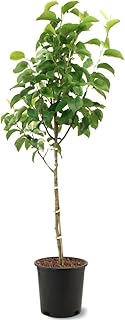
The Flordahome pear trees bring a touch of orchard elegance to home landscapes. In a 5-gallon pot, these 3-4 foot semi-self-pollinating trees offer a balance of manageable size and fruiting potential. White blooms produce a striking spring display, followed by pears suitable for fresh eating, canning, or pies. The semi-self-pollinating nature means they still benefit from nearby pollinators or compatible varieties to improve yield reliability in Zone 4 gardens.
These trees are designed for ornamental and edible value, combining aesthetic appeal with practical fruit production. They suit patios, small yards, or backyard borders, providing a dependable annual harvest with a classic pear flavor profile.
Bartlett Pear Trees, 5 Gallon Pot (American Plant Exchange)
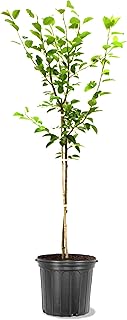
The Bartlett pear trees in a 5-gallon pot offer a classic pear variety known for its culinary versatility and dependable fruiting. Standing 3-4 feet tall, these semi-self-pollinating trees fit well in medium to large yards and landscapes. White blossoms enhance visual appeal in spring, followed by juicy Bartlett pears ideal for fresh eating, baking, and preserves. Zone 4 adaptability is supported by their hardiness and strong fruiting habit in cooler climates.
As with other semi-self-pollinating options, pollinator presence nearby can improve fruit set. Regular pruning and winter protection help ensure a steady yield, especially during fluctuating winter-to-spring transitions typical of Zone 4 regions.
Buying Guide: Pear Trees For Zone 4
- Pollination needs: In Zone 4, semi-self-pollinating varieties like Bartlett can produce fruit with some pollinator activity, but planting a compatible pear or ensuring wind pollination can boost yields. Fully self-pollinating types offer more reliability in small spaces.
- Rooting method: Bareroot trees are often shipped dormant and require planting in late winter or early spring. Container-grown trees are ready for earlier planting but may need more care to adapt to outdoor conditions.
- Size and spacing: Dwarf to semi-dwarf forms fit smaller spaces; ensure adequate room for eventual canopy growth and air circulation to reduce disease pressure.
- Hardiness and climate: Select varieties rated for zones 4–9 or similar. Cold-hardiness is crucial; protect graft unions during extreme winter lows and provide winter mulching where needed.
- Fruit ripening and harvest window: Choose varieties with staggered ripening times if you want a longer harvest season. For Zone 4, plan around late frost risk during bloom and fruit set.
- Care requirements: Regular pruning, pest monitoring, and irrigation management are essential. Provide well-drained soil with adequate organic matter and consistent moisture, especially in young trees.
- Aesthetic value: Pear trees contribute spring blossoms and year-round structure. If space is limited, consider semi-dwarf cultivars that balance beauty with fruit production.
- Maintenance vs. yield: Some cultivars yield heavily but may require more corrective pruning. Assess how much maintenance you’re willing to invest for consistent harvests.
- Availability and shipping: Bareroot shipments may be seasonal; container plants offer flexibility but may have different transplant needs.