Zone 5 climates pose unique challenges for peach trees, including cold winters and variable spring temperatures. The following selections are curated to offer productive, hardy varieties that tolerate chill hours typical of this zone while delivering flavorful fruit. Each option includes notes on soil, pollination, and climate considerations to help American gardeners choose the best fit for their yards or patios.
| Product | Hardiness & Pollination | Highlights |
|---|---|---|
| Red Haven Peach Tree | Self-pollinating, zone 5-8 compatible | Freestone, heavy-bearing, suitable for sandy-loam soils |
| Belle of Georgia White Peach Tree | Zones 5-8 | White-flesh peaches, large fruit, moderate chill needs |
| Bonanza Patio Peach Tree | Compact, zone 5-8 | Small-space option, vibrant foliage |
| Dwarf Bonfire Patio Peach Tree | Zone 5-8 | Ornamental pink flowers, ornamental and edible |
| Red Haven (Perfect Plants) Peach Tree | Zones 5-8 | 4-5 feet tall, sweet peaches, ornamental blossoms |
Notes: Some listings indicate shipping restrictions to certain states. Where applicable, select varieties compatible with zone 5 and local soil conditions. All product descriptions reference self-pollinating varieties or those that typically perform well with minimal cross-pollination requirements.
Red Haven Peach Tree, Freestone, Heavy-Bearing

The Red Haven peach is a freestone, heavy-bearing choice well suited for zone 5 gardens. Being self-pollinating helps streamline orchard planning, reducing the need for a second compatible peach variety nearby. This deciduous tree is cultivated in a 5-gallon nursery pot and is noted for flavorful red-skinned peaches. It prefers well-drained, sandy-loam soils with a slightly acidic to neutral pH, which supports good fruit set and tree health. Gardeners in colder regions should expect adequate chill hours to trigger fruiting, with caution toward late spring frosts that can impact bloom. Availability may be restricted for certain states due to agricultural regulations.
Planting tip: Position in full sun with a protected site during late frosts. Mulch to conserve moisture and maintain soil temperature. Pruning after harvest helps open the canopy for air circulation and future fruiting wood development. For best results, match irrigation to weather conditions to avoid overly wet soils, particularly in spring rains.
Perfect Plants Belle of Georgia White Peach Tree
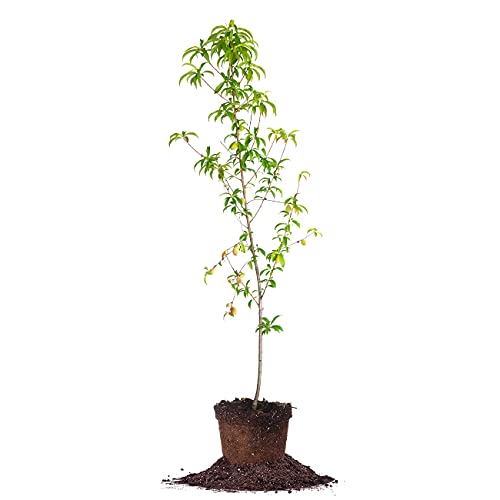
The Belle of Georgia White Peach Tree is a robust self-fertile option that often performs well in zones 5-8. It produces large fruit with white flesh and tends to ripen in late August, providing a long harvest season for home gardens. With moderate chill hour requirements, this cultivar can adapt to regions that experience mild winters. As a white-fleshed variety, it offers a distinct flavor profile compared to traditional orange-fleshed peaches. This tree is suitable for front-yard seating areas or smaller landscapes due to its manageable size and ornamental spring blossoms.
Growing guidance: Ensure well-drained soil and full sun exposure (6-8 hours daily). Regular irrigation during fruit development supports steady growth and sugar accumulation. Pruning is recommended to maintain tree shape, improve air circulation, and encourage strong fruiting wood in subsequent years. If you’re in a region with variable winter temperatures, consider a protective mulch layer and windbreak to safeguard blooms and emerging shoots.
Generic Bonanza Patio Peach Tree, Compact

The Bonanza Patio Peach Tree is a compact, 4- to 5-foot shade-tolerant cultivar designed for small gardens and patios. Its compact habit makes it an appealing option for urban landscapes in zone 5, where space is at a premium but the desire for homegrown peaches remains. It is listed as a 5-gallon nursery plant and is described as fruit-bearing with self-sufficiency, reducing the need for pollinator neighbors in tight spaces. Be mindful of any regional shipping restrictions that may apply and ensure the container or ground planting site receives full sun for best fruit development.
Care tips: Container-grown trees require consistent moisture while avoiding waterlogging. Fertilize in early spring with a balanced formulation and prune to maintain a balanced canopy. Support during fruiting may be necessary to prevent limb breakage, particularly after heavy rainfall or wind events. Protection from late-season freezes is advised to protect developing fruit buds.
Perfect Plants Red Haven Peach Tree

This Red Haven selection from Perfect Plants emphasizes a balance of sweet fruit and ornamental spring blossoms. The tree is described as producing juicy peaches with a classic flavor profile and a reliable July harvest window, in zones 5-8. The plant often grows to a height suitable for home landscapes, either in-ground or container settings, with well-draining soil and full sun requirements. Pink blossoms provide seasonal beauty, enhancing early-spring interest in the garden while fruit development follows in summer. As with other peach trees, proper pruning, watering, and soil management are essential for consistent yields across seasons.
Brighter Blooms Elberta Peach Tree

The Elberta Peach Tree from Brighter Blooms is a classic large-fruit cultivar celebrated for its sizable, flavorful peaches. While highly regarded for taste and texture, this variety is commonly grown in zones that accommodate its chill needs and winter-hardiness. In zone 5 environments, ensuring adequate winter protection and a sheltered microclimate can improve bloom success and fruit set. The tree emphasizes high fruit yield and broad adaptability, making it a strong option for growers seeking reliable harvests while managing space in the garden. Gardeners should plan for full sun exposure and well-draining soil to optimize performance.
Generic The Dwarf Bonfire Patio Peach Tree

The Dwarf Bonfire Patio Peach Tree is a compact, ornamental evergreen-type selection designed for container gardening and small spaces. It bears fruit and remains highly decorative with pink flowers in spring, offering both aesthetic appeal and edible harvest potential. The cultivar is specifically bred for its small footprint, typically reaching 4 to 6 feet in height, which suits balcony gardens or compact backyards in zone 5 climates. As with other patio peaches, regular container care, proper drainage, and sun exposure are critical to ensure fruit development and tree health.
Buying Guide: Key Purchase Considerations For Zone 5 Peach Trees
- Hardiness And Chill Hours: Zone 5 requires varieties tolerant of cold winters. Look for trees labeled as suitable for zones 5-8 and verify expected chill hour requirements match your regional winter patterns. Self-pollinating selections are useful if space or pollinator partners are limited.
- Size And Space: Consider root depth and mature height when choosing whether to plant in-ground or in containers. Patio and dwarf selections are ideal for small yards but still deliver fruit with appropriate care.
- Soil And Drainage: Most peach trees prefer well-drained, sandy-loam soils with a slightly acidic to neutral pH. If your soil is heavy clay, incorporate organic matter and consider raised beds or container planting.
- Sun Exposure: Full sun (6-8 hours daily) supports vigorous growth, bloom, and fruit development. Partial shade can reduce yields and delay ripening.
- Watering And Fertilization: Implement a regular watering plan that keeps the root zone evenly moist, especially during fruit development. Use a balanced fertilizer in early spring and monitor for nutrient deficiencies.
- Protection From Cold And Frost: Late frosts can damage blossoms. Consider site selection and, if feasible, protective measures such as windbreaks or frost blankets during critical bloom periods.
- Pollination Strategy: Most peach trees are self-pollinating, but some cultivars perform better with a nearby compatible pollinator. In smaller spaces, self-fertile varieties help ensure fruit set without relying on a second tree.
- Maintenance: Pruning practices, especially in late winter to early spring, promote air circulation, light penetration, and fruit quality. Remove dead or crowded wood to maintain tree vigor and yield consistency.
- Regulatory Considerations: Some listings indicate shipping restrictions to specific states. Verify local restrictions and ensure compliance to avoid order cancellations or refunds.
- Quality And Rooting: For potted trees, check the root system and overall vigor. A healthy root ball promotes better establishment in the planting site and faster fruiting timelines.