Finding the right outdoor wood finishing oil helps protect decks, furniture, and garden accents while preserving natural warmth and grain. This guide highlights five top options, explains who each product is best for, and compares them on penetration, longevity, and ease of use. The featured products range from tung oil blends to boiled linseed oil and teak oils, catering to hobbyists and professionals alike. Use the buying guide to choose the finish that matches your climate, wood type, and maintenance routine.
| Product | Best For | Key Benefit |
|---|---|---|
| Small outdoor projects and indoor-outdoor furniture | Deep penetration; flexible, non-oily cure | |
| HOPE’S 100% Pure Tung Oil (32 oz) | larger outdoor projects and sealing | Cost-effective bulk option; strong moisture resistance |
| Furniture Clinic Teak Oil (17 oz) | Teak and hardwood outdoor furniture | Enhances natural color; water resistance |
| LinSheen Boiled Linseed Oil (Quart) | Outdoor/indoor wood furniture and floors | Fast-drying; grain enhancement |
| Walrus Oil Tung Oil (16 oz) | Cabinets, doors, and floors | Vegan, food-safe options; VOC-free |
HOPE’S 100% Pure Tung Oil, 16 Fl Oz

Best for small outdoor projects and light-traffic indoor furniture, this tung oil finishes by penetrating deep into the wood rather than forming a surface film. The oil cures to a flexible, non-oily solid that becomes part of the wood, offering lasting moisture and wear resistance. It’s particularly suitable for woods that benefit from a hand-rubbed appearance. The product is noted for easy application—wipe on and allow to cure at room temperature.
Who it’s best for: hobbyists and DIYers completing patios, planters, or small benches who want a natural look with solid protection.
Limitation: Tung oil requires multiple coats for optimal protection and can darken pale woods over time.
HOPE’S 100% Pure Tung Oil, 32 Fl Oz
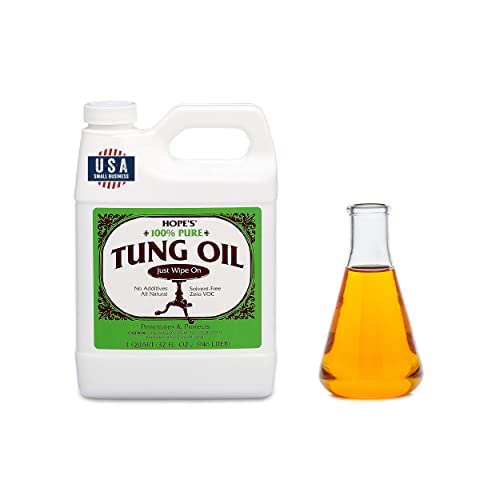
This larger-size tung oil is well-suited for bigger outdoor projects and ongoing outdoor furniture sealing. Like the 16 oz version, it penetrates wood rather than forming a surface film, helping the wood retain natural beauty while gaining moisture and wear resistance. It’s best for woodworkers who prefer fewer, larger applications.
Who it’s best for: projects with extensive surfaces, such as larger decks, tables, or outdoor benches, where fewer coats are desirable.
Limitation: Requires proper ventilation and curing time; avoid indoor use on non-food-contact surfaces without adequate air flow.
Furniture Clinic Teak Oil (17 oz)
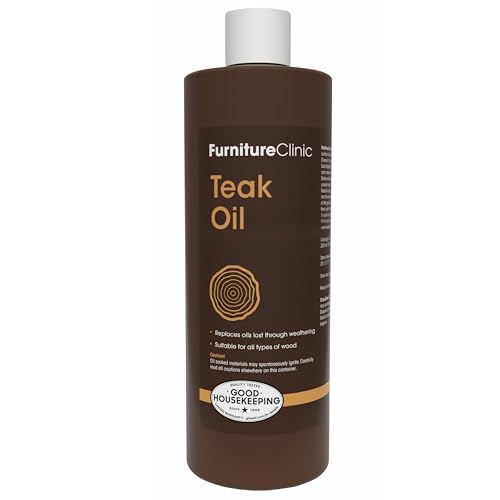
Best for teak and other hardwood outdoor furniture, this oil restores color and provides a water-resistant seal. It’s suitable for garden furniture, boats, and shower benches, helping to prevent further drying, warping, and cracking. It creates a protective layer while maintaining a natural matte finish.
Who it’s best for: outdoor furniture that sits in sun and rain and needs restoration plus ongoing maintenance.
Limitation: Teak-specific formulas may require careful regard to surface prep; uneven absorption can occur on very dry or very porous wood.
LinSheen Boiled Linseed Oil (Quart)
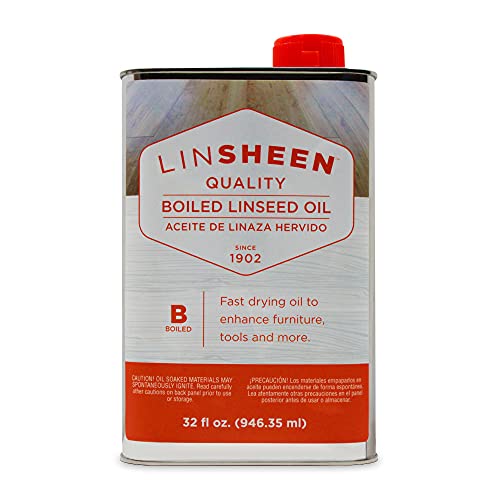
Clear wood finish that absorbs into the grain to enhance natural color and texture. Boiled linseed oil speeds up drying through added solvents, providing a practical option for both indoor and outdoor wood furniture, floors, and sports equipment. It helps condition wood and prolongs its life by reducing drying and cracking.
Who it’s best for: woodworkers seeking a traditional, fast-drying finish for mixed indoor-outdoor projects.
Limitation: Boiled linseed oil can darken lighter woods and may require more careful cleanup, as solvents are involved.
10 Oz Pure Tung Oil for Wood (Garifon)

A food-grade, 100% tung oil designed for both outdoor and indoor use, with a focus on food-contact surfaces such as cutting boards and utensils. It penetrates deeply to form a protective, waterproof layer that remains part of the wood. It’s environmentally friendly and non-toxic after curing.
Who it’s best for: food-contact items and surfaces near kitchens or dining areas where a natural finish is preferred.
Limitation: Some users may require multiple coats to achieve the desired level of protection on very porous woods.
Walrus Oil Tung Oil (32 oz)
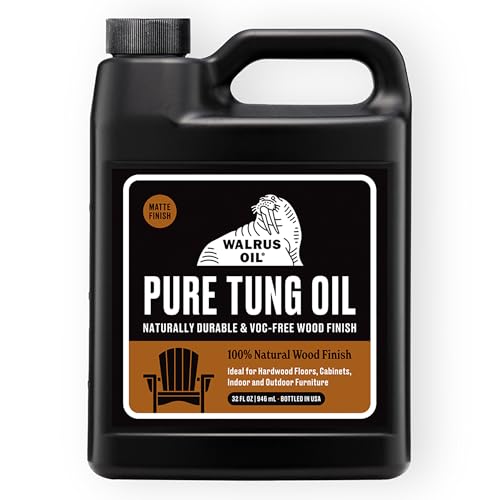
Best for large projects and sensitive woodworking, this 32-ounce tung oil entry provides robust moisture resistance with a natural, hand-rubbed finish. It is vegan and designed to be VOC-free, appealing to eco-conscious woodworkers.
Who it’s best for: larger outdoor builds and indoor furniture where a durable, natural look matters.
Limitation: Larger quantity may require more storage space and longer curing times for complete hardening in humid climates.
Walrus Oil Tung Oil (16 oz)

This 16-ounce option emphasizes a natural, non-toxic finish with no VOCs, making it suitable for cabinets, doors, and interior features in addition to outdoor pieces. It provides a protective, UV-resistant finish when used outdoors.
Who it’s best for: projects where a compact, vegan tung oil is preferred and low odor is important.
Limitation: Slightly smaller yield than larger-jug tung oils; may require more frequent applications on very large surfaces.
Buying Guide: Outdoor Wood Finishing Oils
- Tung oils penetrate wood, curing as part of the grain; teak oils seal and protect without forming a thick film. Choose based on whether you want a deeply absorbed finish or a protective surface layer.
- Teak and dense hardwoods benefit from teak oils; softer softwoods can use tung oil or linseed oil blends. Consider wood porosity and existing finish when selecting.
- Look for moisture resistance and UV protection. Tung oils provide flexibility and moisture tolerance; some formulations are designed specifically for outdoor use and weathering.
- If the wood is used for food-contact surfaces, select a food-grade or food-safe formula and confirm cure times.
- Boiled linseed oil dries faster but can intensify color; tung oils require wiping and curing times. Apply thin coats and wipe excess to avoid tackiness.
- Outdoor finishes may need reapplication every season or two, depending on exposure. Choose a product with a predictable maintenance schedule.
- For beginners, wipe-on tung oils are typically simpler; teak oils require uniform coverage to prevent streaking.
FAQ
- What finish is best for outdoor furniture? Tung oil finishes provide deep penetration and flexible cure, improving moisture resistance. Teak oil seals and enhances color for teak and hardwoods.
- Are tung oils food-safe after curing? Some tung oil products are food-grade or food-safe after curing; verify the product label before using on cutting boards or utensils.
- Do I need to sand between coats? Generally not with tung oils; light surface prep is recommended. Linseed oil finishes may benefit from gentle scuffing between coats.
- How often should I reapply outdoor oil? Reapplication depends on climate and wear. Coastal or high-UV areas may require more frequent maintenance.
- Can I mix finishes? Mixing finishes is not recommended as it can alter cure times and protective properties. Use a single finish per project.
- Is oil finish safe for pets? Most outdoor oil finishes are non-toxic once cured; avoid odor-heavy formats during curing and ensure proper ventilation during application.