When keeping turtles healthy in outdoor ponds, maintaining a safe, unfrozen space is essential. The following outdoor pond heaters are designed to prevent complete ice formation, support gas exchange, and sustain a stable, swim-friendly environment during cold months. This guide compares key features, efficiency, and safety considerations to help you choose a model that best fits your pond size and climate.
| Product | Brand | Power | Key Benefit |
|---|---|---|---|
| HITOP Outdoor Pond Heater – 600W | HITOP | 600W | Intelligent temp control; floats; suitable for mid-sized ponds |
| Lanathel 1000W Pond Heater | Lanathel | 1000W | LED indicator, thermostatic control, broad pond compatibility |
| Farm Innovators 1250W | Farm Innovators | 1250W | Cast aluminum, thermostatic control, durable for winter use |
| TURBRO PD400A Pond De-icer | TURBRO | 400W | GFCI protection, stainless finish, long cord |
| Zoo Med TurtleTherm 300W | Zoo Med | 300W | Preset safe temp, digital thermometer, easy install |
HITOP 600W Outdoor Pond Heater

This 600W model heats surrounding water to prevent complete pond freezing while allowing safe breathing holes for fish and turtles. It is designed for ponds around 160-320 gallons and includes a floatable foam to keep the unit on the water surface and away from mud. An automatic temperature control maintains a zone around the heater at 68-72°F, reducing unnecessary energy use.
Lanathel 1000W Floating Pond Heater
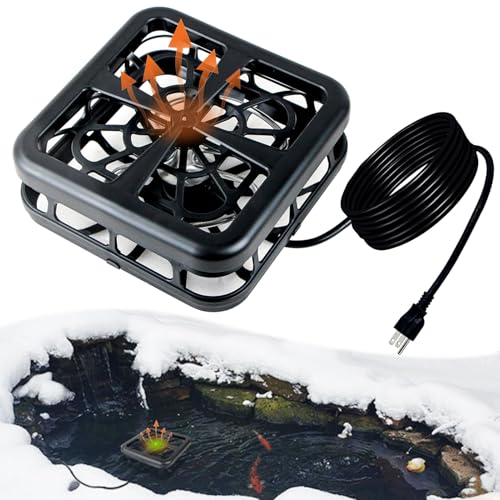
The 1000W model provides robust deicing for larger outdoor ponds and includes an automatic thermostatic design. The LED indicator shows green when active and red when idle, signaling energy usage. It floats atop troughs and stock tanks, allowing flexible placement and ease of use in wintry conditions.
Farm Innovators 1250W Cast Aluminum Heater

Designed to float and keep a hole in the ice, this 1250W heater uses a cast aluminum housing for efficiency and durability. The thermostat controls operation to prevent unnecessary warming, helping conserve energy in harsh winter climates while ensuring a safe haven for fish during freezing conditions.
HITOP 300W Pond Heater

Compact 300W option suitable for smaller outdoor ponds (80-160 gallons). It quickly creates a melt hole in the ice to support gas exchange for turtles and fish, with floatable foam and a durable build. Automatic regulation keeps the pond water near 68-72°F around the heater, minimizing energy use while maintaining safety.
TURBRO PD400A Pond De-icer

With a 400W rating, TURBRO offers IP68 water resistance, overheating protection, and a UL-listed power cord with GFCI leakage protection. The model features SCR temperature control for quick response and a longer lifespan than traditional de-icers. A long 32.8 ft cord provides flexible placement in larger ponds with aquatic life.
Zoo Med TurtleTherm Automatic Turtle Heater

Specifically designed for turtle care, TurtleTherm heats water up to 78°F (26°C) with a built-in digital thermometer for easy monitoring. It includes an automatic shut-off when removed from water, adding a safety layer for handling and maintenance. This model is ideal for ponds hosting turtles and other aquatic inhabitants in climates that require consistent temperature control.
Buying Guide: Key Purchase Considerations
- Pond size and heater power: Choose wattage that matches your pond’s volume and climate. Heaters range from compact 150–300W for small ponds to 600–1250W for larger spaces; larger ponds benefit from higher wattage to reliably create holes in ice without overheating surrounding water.
- Floating vs fixed: Floating de-icers are easy to deploy and reposition but require a calm surface. Fixed devices or submersible options can provide more uniform heat in active, deeper ponds.
- Temperature control: Look for thermostatic or SCR-based temperature regulation to maintain safe, consistent temperatures, reducing energy consumption and avoiding thermal stress for fish and turtles.
- Safety features: GFCI-protected cords, IP ratings, and auto shut-off mechanisms enhance safety in wet environments and during maintenance.
- Dexterity and placement: Long cords and floating designs offer placement flexibility. Ensure the device can operate without direct contact with mud or pond sediment to prolong life.
- Material and durability: Cast aluminum housings and stainless finishes resist weather and corrosion, especially in outdoor settings with fluctuating temperatures.
- Compatibility with pond inhabitants: For turtle care, maintaining accessible breathing holes reduces stress and supports gas exchange during freezing conditions.
- Installation ease and maintenance: Look for features like built-in thermometers or LED indicators that simplify monitoring and reduce guesswork.
Note: Always follow the manufacturer’s installation instructions and avoid placing heaters in plastic ponds or enclosures that could trap heat or cause damage. Regular inspection for wear, leaks, and electrical safety is recommended, especially in cold, damp environments.