Zone 5 gardeners face cold winters and moderate summers, making it essential to choose ornamental trees and shrubs that tolerate frost, thrive in shorter growing seasons, and provide year‑round appeal. The following selections span evergreen privacy, tropical-inspired foliage, flowering options, fruit-bearing ideas, and even realistic faux accents for low‑maintenance styling. Each product is evaluated for cold hardiness, growth rate, and landscape impact to help you pick the right trees for your yard.
| Product | Brand | Key Benefit |
|---|---|---|
| Thuja Green Giant 3 Gallon | PERFECT PLANTS | Fast-growing evergreen ideal for privacy screens and living walls |
| Banana Basjoo Plants (4 Pack) | Fam Plants | Cold-hardy tropical look with large foliage for shade and drama |
| Krauter Vesuvius Plum Tree | Generic | Dark purple foliage with pink flowers, adaptable in zones 5-8 |
| Belle of Georgia White Peach Tree | PERFECT PLANTS | Self-fertile fruiting specimen with delicious peaches, moderate chill requirements |
| 5 Feet Outdoor Artificial Topiary Cedar Tree (Set of 2) | Arcadia Silk Plantation | Year-round greenery with no maintenance, ideal for shaded or difficult spots |
Thuja Green Giant For Fast Privacy And Structure

The Thuja Green Giant offers rapid year-round greenery and a solid vertical profile, making it a top choice for zone 5 privacy screens or architectural plantings. This evergreen grows up to about 3 feet per year when conditions are favorable and can mature to a substantial width and height, delivering a durable evergreen backdrop for lawns and gardens. It’s suitable for single focal specimens or dense screens, though check local regulations if shipping restrictions apply to your area. Growth habit supports both formal and informal landscapes.
Banana Basjoo Plants (4 Pack) For Tropics In Cooler Climates

Basjoo banana plants deliver a bold, tropical aesthetic with oversized leaves that bring drama to zones 5–11 when protected in winter. This set includes four healthy rooted starters ready for soil or large containers. The variety is noted for rapid growth in warm seasons and its frost tolerance with protective measures, offering a distinctive look for privacy, shade, or landscape accents in cooler gardens that can shelter them during cold months.
Krauter Vesuvius Ornamental Plum For Color And Texture
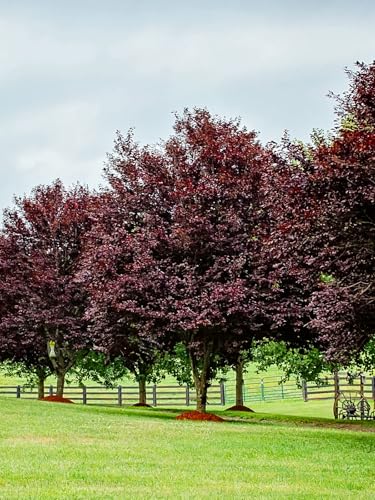
The Krauter Vesuvius plum features dark purple foliage with light pink blossoms, bringing striking contrast to zone 5 landscapes. With a mature height of 15–20 feet, this cultivar adds vertical interest and seasonal color. Important notes include limited shipping to certain states due to agricultural laws. It suits residential yards as a focal tree or accent in mixed borders, pairing well with flowering ornamentals and evergreen backdrops.
Belle Of Georgia White Peach Tree For Zone 5 Gardens
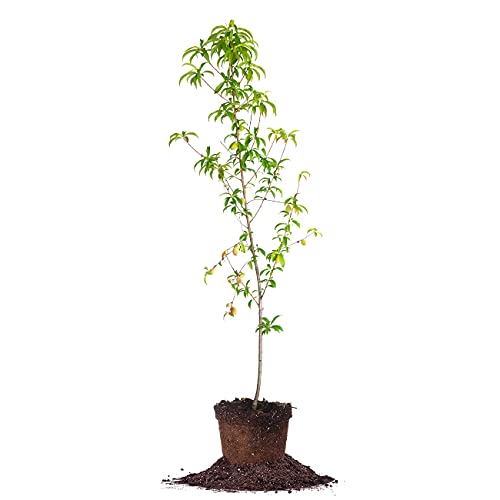
The Belle of Georgia white peach tree offers self-fertility and a robust fruit yield suitable for zone 5 climates with moderate chill hours. This cultivar is positioned for gardeners seeking edible ornamental value—peaches ripening in late summer and early fall. It’s a suitable choice for home orchards or mixed borders, though it may require some winter protection in harsher winters to maximize fruit set and vigor.
Wonderful Pomegranate TRE: Compact, Hardy Fruit In Zone 5

The pomegranate tree offers large, sweet fruits with broad applicability—from fresh eating to juicing. While commonly associated with warmer zones, some varieties perform well in zone 5 with winter protection and sun exposure. This option provides edible interest along with year‑round landscape value, serving as a versatile focal point in sunny borders or container plantings that can be moved indoors when necessary.
5 Feet Outdoor Artificial Topiary Cedar Tree (Set Of 2)

For zones with challenging weather or for areas where maintenance is limited, artificial topiary cedars provide year‑round greenery without irrigation, pruning, or seasonal adjustments. The set of two trees offers immediate visual impact, can be placed in front doors, patios, or indoor spaces, and resists UV damage with durable materials. This option suits low‑maintenance plant styling or accenting specific architectural features in zone 5 landscapes.
Buying Guide: Key Purchase Considerations For Zone 5 Gardens
- Hardiness and climate compatibility: Verify USDA zones and microclimates within your yard. Some varieties tolerate zone 5 with winter protection, while others are best in milder pockets.
- Growth rate and mature size: Consider your space for eventual height and spread. Fast growers provide quick privacy, but may require more pruning and root management.
- Sun exposure and soil type: Most ornamentals prefer full sun, but some tolerate partial shade. Soil drainage and fertility influence long-term health and fruiting potential.
- Maintenance needs: Evergreen screens reduce yearly mowing but require occasional trimming. Fruit trees demand pruning for structure and yields, while artificial trees require minimal care.
- Legal and shipping constraints: Some plants cannot be shipped to certain states due to agricultural laws. Confirm availability and restrictions before purchasing.
- Multi-use value: Combine evergreen mass with flowering options, edible fruit trees, and ornamental foliage to create dynamic seasonal interest across textures and colors.
- Protection strategies: For colder winters, plan winter protection (mulch, wraps, or shelter) for species with marginal hardiness to maintain evergreen vigor or fruiting potential.
Zone 5 landscapes benefit from a mix of evergreen, flowering, fruiting, and low-maintenance accents. The selections above provide a spectrum of options—from fast privacy in evergreens to tropical foliage statements and fruiting trees—that contribute structure, color, and function throughout the year. When choosing, balance aesthetic goals with climate resilience, space, and the level of upkeep you’re prepared to manage. Always confirm local restrictions and consult a local extension resource if you’re unsure about specific varieties in your region.