Growing sprouts at home is a simple, low-cost way to add nutrient-dense greens to meals. This guide highlights five top organic, non-GMO sprouting seed varieties that perform well in small spaces and indoors. Each option emphasizes purity, fast growth, and robust flavor, helping you enjoy alfalfa, broccoli, chickpeas, and more in under a week. Below, you’ll find quick product details, practical growing notes, and a buying guide to compare varieties side by side for American kitchens and apartment setups.
Summary of Selected Products
- Seedboy Organic Non-GMO Sprouting Seeds, Fresh Salad Blend – USA Grown Microgreens Mix with Alfalfa, Broccoli, Radish, Mung Bean & Lentil – 8 oz Bag
- Nature Jims Sprouts Organic Broccoli Seeds for Sprouting – Certified Non-GMO, Rich in Sulforaphane – 8 oz
- Seedboy Organic Non-GMO Sprouting Seeds, Protein Blend – Garbanzo, Mung Bean, Adzuki, Green Pea – 8 oz
- Nature Jims Sprouts Alfalfa Seeds – Non-GMO Organic Sprout Growing Kit Seeds – 16 oz
- Sereniseed Organic Broccoli Sprout Seeds (8 oz) – Non-GMO, Heirloom
Seedboy Salad Blend: Organic Microgreens Seed Mix

Seedboy’s Organic Non-GMO Salad Blend combines alfalfa, broccoli, radish, mung bean, and lentil seeds into a versatile microgreens mix. Designed for quick germination in jars or trays, the blend is ideal for apartment setups or busy households seeking a crunchy, nutrient-rich addition to meals. The seeds are USDA Organic and USA-grown, with rigorous testing to ensure purity and safety. Germination rates are high, delivering fresh greens in days and supporting a healthy, low-effort sprouting routine.
Nature Jims Sprouts: Organic Broccoli Seeds

Nature Jims Sprouts offers certified organic, non-GMO broccoli sprout seeds designed for home sprouting. These seeds focus on quick growth, producing nutrient-rich microgreens with high sulforaphane potential. Suitable for both indoor and outdoor setups, they are processed to maintain quality and purity. Growers can expect a fast turnaround, with crunchy sprouts ready in about five days, providing a ready-to-use nutrient boost for sandwiches, salads, and smoothies.
Seedboy Protein Blend: Plant-Based Sprouting Seeds

The Seedboy Protein Blend combines garbanzo beans, mung beans, adzuki beans, and green peas for a protein-rich sprout harvest. This 8-ounce pack yields multiple quarts of sprouts, suitable for daily salads, wraps, and bowls. The seeds are USA-grown and USDA Organic, with strong germination and clean sprouting performance. The blend is especially appealing for vegetarians and athletes seeking plant-based protein and micronutrients in a compact, convenient form.
Nature Jims Sprouts Alfalfa Seeds

Nature Jims Sprouts Alfalfa Seeds offer a non-GMO, organic option ideal for beginner sprouters. This premium pack provides a ready-to-plant experience with clear instructions, supporting a steady supply of fresh alfalfa sprouts rich in fiber and vitamins. The seeds are produced and stored with temperature and humidity controls to optimize germination and flavor, making them a dependable choice for hobbyists and families building a home sprouting routine.
Sereniseed Organic Broccoli Sprout Seeds
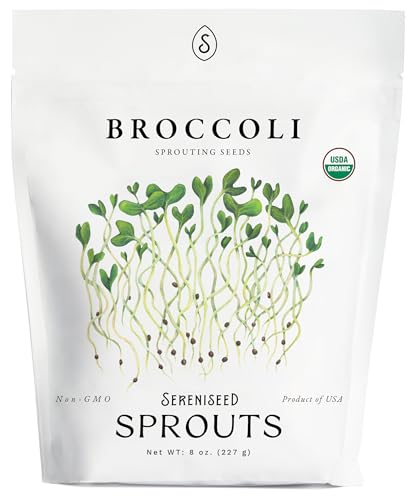
Sereniseed’s Organic Broccoli Sprout Seeds are non-GMO and Oregon Tilth-certified organic. These heirloom seeds are open-pollinated and tested for pathogens, providing a reliable source for broccoli sprouts with a characteristic peppery, nutritious bite. The company emphasizes climate-controlled storage to help sustain germination rates, making it a solid option for consistent sprouting in kitchens of various sizes. Their broccoli sprouts are prized for sulforaphane content and overall nutritional value.
Buying Guide: Key Considerations For Organic Sprouting Seeds
- Seed purity and certification: Look for USDA Organic or OTCO-certified seeds to ensure a trustworthy organic standard and minimal contamination.
- Germination rates: High germination rates translate to faster harvests and less waste. Check seed purity, storage conditions, and batch testing notes if available.
- Flavor and texture profiles: Alfalfa and broccoli seeds offer mild, peppery, and earthy notes. Mixing blends can yield varied textures for salads or sandwiches.
- Growing space compatibility: Jar sprouting works well in tight spaces, while shallow trays support more robust microgreens. Consider your available light and ventilation.
- Seed variety and nutrition: Protein-rich blends (like garbanzo and mung beans) meet protein goals, while mixed greens provide a broader spectrum of vitamins and antioxidants.
- Storage and shelf life: Keep seeds in a cool, dry place. Good packaging with clear storage guidance helps maintain germination rates over time.
- Safety and testing: Reputable brands test for pathogens and ensure clean, safe sprouts. This reduces the risk of contamination in raw sprouts.
- Indoor vs. outdoor viability: Some seeds perform well indoors with consistent moisture, while others tolerate light exposure outdoors. Choose seeds aligned with your setup.
- Flavor variety and meal planning: Blends offer convenience for quick meals; single-seed options let you tailor sprouts to specific recipes and preferences.
In summary, these five selections cover a range of needs—from quick, protein-forward sprouts to nutrient-dense greens and beginner-friendly alfalfa. All are organic, non-GMO, and widely compatible with common home sprouting methods. Whether you’re sprouting in a jar on a kitchen counter or cultivating microgreens in a shallow tray, these seeds offer dependable germination, flavor, and nutrition for American households.