Find reliable organic, non-GMO sweet corn seeds that perform well in American gardens. This guide highlights five top options, explains who each is best for, and helps you compare features like germination, maturity, and plant height. Ideal for home gardeners, small plots, and first-time corn growers seeking heirloom or open-pollinated varieties.
| Product | Type | Key Benefit | Best For |
|---|---|---|---|
| The Old Farmer’s Almanac Heirloom Golden Bantam | Open-pollinated | Classic heirloom flavor, warm-climate tolerance | Gardeners seeking authentic heirloom corn and reliable open-pollinated seeds |
| HOME GROWN Golden Bantam | Non-GMO, heirloom | Reliable germination, easy to grow | Beginner and mid-season growers in various zones |
| Seed Needs Peaches and Cream | Hybrid (SE), non-GMO | Early maturity with striking yellow/white kernels | Gardens with shorter growing seasons or rapid harvest goals |
| Sow Right Seeds County Gentleman | Open-pollinated | High yield, classic shoe-peg kernel pattern | Home gardeners who want tall plants and plentiful ears |
| Ohio Heirloom Silver Queen | Non-GMO, USDA certified | Early-season performance with robust seed stock | Gardeners prioritizing non-GMO status and quick harvests |
The Old Farmer’s Almanac Heirloom Golden Bantam Seeds

Zea mays open-pollinated Golden Bantam is suited for warmer temperatures (75-90F). Each ear bears plump, bright yellow kernels with a classic sweet flavor. Best for gardeners who want authentic heirloom seeds and easy adaptation to warm sites. Harvest when ears are fully green, silks brown, and kernels yield a milky juice. Packaging is designed for gifting or storage, with clear variety details on the front and planting facts on the back.
Best for: Heirloom-seed enthusiasts and gardeners wanting a reliable open-pollinated option for warm climates. Caution: Stalks can shade neighboring plants; plan spacing accordingly.
HOME GROWN Golden Bantam Seeds

Golden Bantam seeds offer a sweet, tender, heirloom experience. One packet contains 100 seeds and is described as easy for beginners and adaptable to full sun and a range of soils. Suitable for zones 3-11, with a broad planting window and growth up to 6 feet tall. Direct sowing is recommended for best results.
Best for: Beginners and gardeners in cool to warm regions seeking a dependable, easy-to-grow heirloom. Caution: Performs best in full sun with consistent moisture; otherwise ears may be smaller.
Seed Needs Peaches and Cream Sweet Corn Seeds

Peaches & Cream is a hybrid, sugary-enhanced (SE) bicolor corn with yellow and white kernels. It matures relatively early (approximately 80–90 days) and is best planted in blocks to ensure proper cross-pollination. Suited for regions with shorter growing seasons and for gardeners who want a faster harvest while still enjoying a flavorful mix.
Best for: Shorter-season gardeners and those seeking two-tone kernels. Caution: Being a hybrid, saved seeds may not breed true for next season.
Sow Right Seeds County Gentleman Sweet Corn
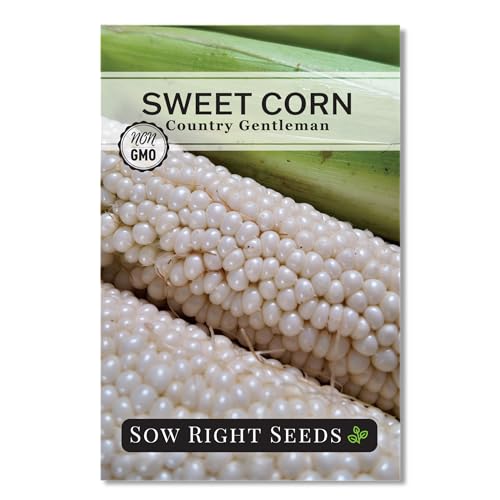
County Gentleman is a well-known open-pollinated variety with a classic shoe-peg kernel pattern and tall plant stature. It offers a solid yield, often producing 3+ ears per plant. Plant seeds in full sun, in blocks for optimal pollination. The packet provides a substantial seed count (minimum 13 g, about 110 seeds).
Best for: Gardeners who want a traditional open-pollinated corn with high yield and a distinctive kernel pattern. Caution: Open-pollinated varieties require thoughtful pollination planning to maximize ears.
Ohio Heirloom Silver Queen Sweet Corn Seeds
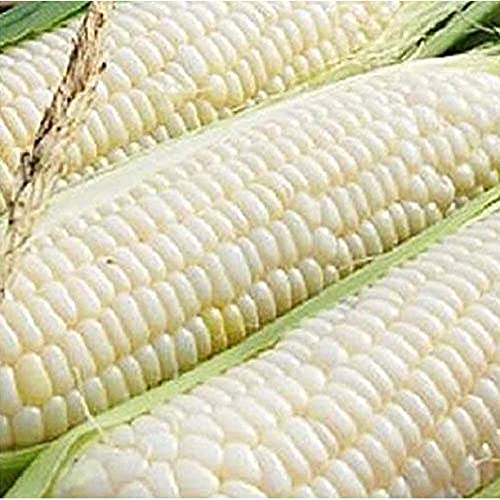
Silver Queen is an heirloom-style, non-GMO variety from Ohio Heirloom Seeds. The listing emphasizes 50+ premium seeds and USDA certification, with a focus on a fresh, ready-to-thrive garden. Expect a mid-season or early harvest profile suitable for a broad range of climates and soil types.
Best for: Gardeners prioritizing non-GMO status, USDA-certified stock, and a dependable early to mid-season harvest. Caution: Verification of exact maturity dates can vary by growing conditions.
Buying Guide
Key considerations when choosing organic, non-GMO sweet corn seeds for a home garden:
- Open-pollinated vs hybrid: Open-pollinated seeds (like Golden Bantam and County Gentleman) save true for future plantings, while hybrids (like Peaches & Cream) may not produce consistent offspring if saved.
- Maturity and climate: Early-maturing varieties suit shorter seasons; warmer climates may benefit from varieties tolerant of higher temperatures.
- Germination and vigor: Some brands emphasize high germination rates or extra seeds to compensate for potential losses.
- Planting pattern: Corn pollinates best in blocks rather than single rows to improve ear formation and kernel fill.
- Non-GMO and organic status: Confirm seed lot details and any certifications (USDA organic, non-GMO verification) when needed for personal ethics or regulations.
- Growth habit and space: Pay attention to plant height (some varieties reach 6–8 feet) and row spacing to avoid shading nearby crops.
- Flavor and kernel type: Choose between all-yellow, bicolor (yellow/white), or white kernels depending on taste preferences and culinary use.
How to choose the right seed for your needs
- For beginners who want an easy start with heirloom flavor, consider The Old Farmer’s Almanac Golden Bantam or HOME GROWN Golden Bantam.
- If you need a faster harvest in shorter seasons, Seed Needs Peaches and Cream offers early maturity and a visual kernel mix.
- For a classic open-pollinated look and potentially higher ear counts, Sow Right Seeds County Gentleman is a strong option.
- For gardeners prioritizing non-GMO status with a focus on early or reliable yields, Ohio Heirloom Silver Queen provides clear non-GMO lineage and dependable performance.
Seed-saving and garden planning tips
- Harvest ears at the right stage to preserve sweetness and texture; fully green husks with brown silks often indicate readiness.
- When saving seeds from open-pollinated varieties, isolate different varieties by distance to avoid cross-pollination if you want to maintain purity.
- Keep soil well-drained, consistently moist, and fertile to maximize kernel development and sweetness.
- Stagger planting for a longer harvest window and to reduce pest and weather risk.
FAQ
- What is non-GMO corn seed?
- Are open-pollinated seeds better for saving?
- How many seeds should I plant for a small family garden?
- When should I plant sweet corn in my region?
- Can I grow sweet corn in containers?
- What’s the difference between bicolor and yellow corn kernels?
Answers:
- Non-GMO corn seeds are varieties that have not been genetically engineered; they rely on traditional breeding.
- Yes, open-pollinated seeds are designed to breed true if saved and replanted under stable conditions.
- For a small family, 20–40 feet of row can provide a steady harvest; adjust by family consumption and space.
- Plant corn after the last frost date when soil reaches about 60°F (16°C) and ensure full sun exposure.
- Corn can be grown in large containers with adequate depth and support, though yields may be smaller than in-ground beds.
- Bicolor kernels offer a mix of flavors and colors; yellow corn tends to be uniformly sweet and vibrant in appearance.