Looking for the best organic mung bean seeds to grow sprouts and microgreens at home? This guide highlights five top options, each offering non-GMO, organic seeds suited for indoor sprouting, jars, or microgreen trays. The listed seeds vary in size, germination reliability, and storage care, helping you pick the right fit for beginners or seasoned kitchen gardeners. The table below compares essential details to aid quick decision-making for different lifestyles and growing spaces.
Summary table of selected products
| Product | Best For | Size | |
|---|---|---|---|
| Organic Mung Bean Sprout Seeds (16 oz) – Sereniseed | Home sprouting enthusiasts | 16 oz | Organic, non-GMO, tested for pathogens |
| Yupik Organic Mung Beans, 2.2 lb | Bulk cooks and sprouters | 2.2 lb | High fiber, iron source |
| Jiva Organic Mung Bean – 2 lb | Natural, versatile beans | 2 lb | 100% natural, organic, great germination |
| Nature Jims Sprouts Mung Bean Sprouting Seeds | Quality sprouts and microgreens | 16 oz | Naturally nutrient-dense sprouts |
| Seedboy Organic Non-GMO Mung Bean Seeds | Small-space sprouting | 8 oz | High germination, USDA Organic |
Organic Mung Bean Sprout Seeds (16 oz) – Sereniseed
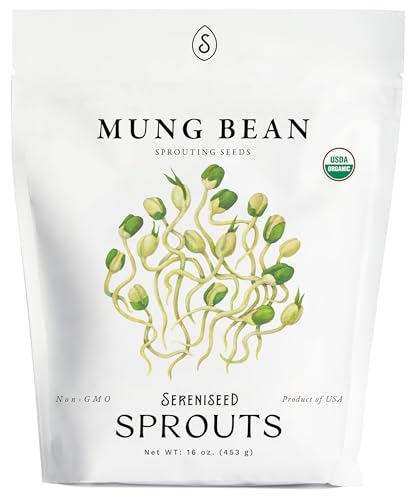
What this product is best for — Home sprouting enthusiasts who want organic, certified seeds with strong pathogen testing and secure storage. Sereniseed emphasizes USA sourcing and Oregon Tilth organic certification, which supports reliable sprout quality and consistent germination.
Why selected — Non-GMO, open-pollinated mung beans offer predictable sprouts with minimal risk of contaminants. The storage in a climate-controlled environment helps maintain germination rates over time.
Caution / limitation — While designed for sprouting, actual germination can vary with home conditions such as jar size and water quality. Follow jar sprouting steps for best results.
Yupik Organic Mung Beans, 2.2 lb

What this product is best for — batch cooks and sprouters who want a bulk option suitable for soups, stews, salads, and making multiple batches of sprouts over time. The large 2.2 lb quantity supports regular sprout production.
Why selected — High-fiber, iron-containing legumes that are non-GMO and sulfite-free. They fit vegetarian and vegan diets and work well across multiple culinary uses.
Caution / limitation — As a dried legume, the beans require proper soaking and rinsing to prevent off-flavors and ensure even germination when sprouting at home.
Jiva Organic Mung Bean – 2 lb Bag

What this product is best for — Versatile organic mung beans suitable for sprouting or dry cooking. The product emphasizes 100% natural, certified organic status and a great germination rate for sprouts.
Why selected — Sourced from certified organic Indian farms, these mung beans are non-GMO and vegan-friendly, supporting a clean sprouting process with straightforward prep.
Caution / limitation — Some batches may vary slightly in size or germination speed; plan for a few days of sprouting to gauge performance in your setup.
Nature Jims Sprouts Mung Bean Sprouting Seeds

What this product is best for — Garden-to-karden enthusiasts seeking high-nutrient sprouts and microgreens with a resealable bag for freshness.
Why selected — Marketed as a natural nutrient source, these seeds are processed for sprouting to deliver vitamins, minerals, enzymes, and fiber in sprouts and microgreens.
Caution / limitation — The package size is 16 oz, which is good for ongoing sprouting, but beginners may want to start with smaller quantities to master jar setup and rinsing schedules.
Seedboy Organic Non-GMO Mung Bean Seeds for Sprouting

What this product is best for — Urban dwellers who want to sprout in jars or small trays, with a focus on high germination and convenient 8 oz packaging.
Why selected — USDA Organic certification and non-GMO status, plus a promise of high germination to yield crunchy sprouts quickly.
Caution / limitation — An 8 oz bag provides a smaller start; advanced sprouters may prefer larger bags for steady production over weeks.
Organic Mung Bean Sprout Seeds – TitaniX

What this product is best for — Home-based sprouting with a focus on high germination and a 16 oz seed pack that supports multiple cycles of sprouts.
Why selected — Certified Non-GMO and USDA organic, designed for reliable indoor growing with clean, pesticide-free sprouts.
Caution / limitation — Third-party testing aimed at high germination; real-world results depend on jar setup and daily rinsing routine.
Mung Bean Seeds for Sprouting and Microgreens – SURVIVAL GARDEN SEEDS

What this product is best for — People focusing on high-protein microgreens and quick indoor sprouts for nutrition and meal variety.
Why selected — Heirloom, non-GMO status supports traditional flavor profiles and reliable sprouting in kitchen jars or trays.
Caution / limitation — Package may require additional conditioning for optimal germination in your setup; keep seeds dry in storage between cycles.
Buying Guide
What should you consider when buying mung bean seeds?
- Organic certification: Look for USDA Organic or OTCO certification to ensure pesticide-free seeds.
- Germination reliability: Third-party tests and claims of high germination help; verify storage requirements and freshness dates.
- Package size: Choose based on how often you sprout. Small jars thrive on 8–16 oz bags; bulk bags suit frequent sprouters.
- Primary uses: Sprouting in jars, microgreens cultivation, or cooking uses may favor different seed types and sizes.
- Storage conditions: Climate-controlled or cool, dry storage can extend germination rates and seed viability.
Sprouting vs. dry cooking: Which seeds suit which use?
- Sprouting-focused seeds deliver faster sprouts and are often packaged specifically for jar sprouting with quick soaking instructions.
- Dry cooking seeds are larger and may provide robust flavor for soups and stews, with a longer shelf life.
How to get the best sprouts at home
- Rinse seeds thoroughly and drain well to avoid mold growth.
- Keep jars tilted or use a sprouting tray to ensure air circulation.
- Rinse daily for 3–5 days, gradually introducing light to grow green sprouts if desired.
- Harvest once shoots reach your preferred length and wash before use.
Storage and freshness tips
- Store in a cool, dry place or a dedicated seed container to maintain germination rates.
- Label bags with purchase dates to monitor freshness over time.
- Consider resealable bags or airtight jars to minimize moisture exposure.
FAQ
- Are mung bean seeds safe for home sprouting?
Yes. Organic and non-GMO mung bean seeds are widely used for sprouting when proper rinsing and air circulation are maintained.
- How long does it take to sprout mung beans?
- Most mung bean sprouts are ready in 3–5 days, depending on temperature and moisture.
- Can I sprout mung beans in soil for microgreens?
- Yes. Mung beans can be grown as microgreens in trays with soil or soilless media, typically harvesting in 7–10 days.
- Which package size should I start with?
- Beginners often start with 8–16 oz to learn sprouting routines; bulk sizes suit regular sprouters.