Answering the top buyer question: which organic options kill Japanese beetles effectively without harsh chemicals? This guide highlights five practical products and outlines who they’re best for, plus simple comparisons to help you pick quickly. Ideal for homeowners with vegetable beds, ornamental gardens, or lawns seeking low-toxicity control. The top picks include natural grub control, contact killers, and insect traps that fit organic or eco-friendly approaches. A quick summary table below helps compare core details at a glance.
| Product | Best For | ||
|---|---|---|---|
| Harris Liquid Killer | Lawn and perimeter spaces | Odorless, extended residual kill | Effectiveness depends on drying time |
| St. Gabriel Milky Spore Powder | Long-term grub control in lawns | Natural, lasting soil protection | Slow to establish; one-time soil treatment needed |
| St. Gabriel Milky Spore Granular | Year-round grub management | Season-long effectiveness | Requires spreader or careful application |
| Garden Safe Diatomaceous Earth | Organic garden beds and containers | Kills by contact with powdery dust | Reapplication after rain or watering needed |
| Bonide Neem Max | Multi-pest control in organic gardens | Kills multiple life stages of insects | Concentrate requires mixing |
Below you’ll find five product-focused sections with concise, decision-friendly guidance. Each section notes who should choose it, why it was selected, and a practical caveat to consider before purchase.
Harris Asian Lady Beetle, Japanese Beetle, and Box Elder Killer

Best for: homeowners needing an odorless, non-staining solution with extended residual kill on Japanese beetles and related pests. This gallon-sized liquid spray supports repeated applications, making it suitable for larger lawns or ongoing outbreaks. The formula dries to continue killing beetles weeks after application, which helps reduce labor over time.
Why selected: it delivers a long-lasting effect after drying, aligning with preventive management for seasonal beetle surges. The odorless feature minimizes indoor impact and fabric concerns when used per label directions.
Limitation: effectiveness depends on proper coverage and drying. Over-application may not increase efficacy and could waste product.
Bonide Captain Jack’s Deadbug Brew Ready-to-Use Spray
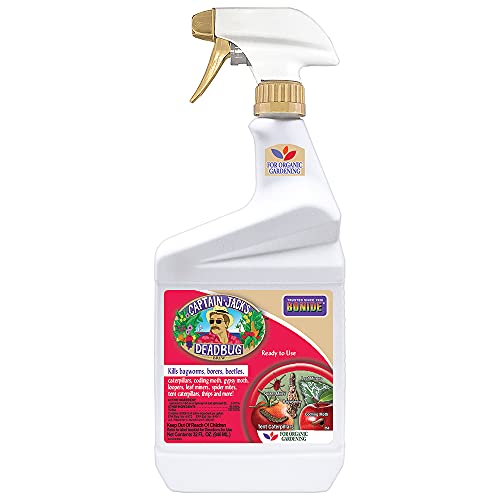
Best for: gardeners seeking a broad-spectrum, ready-to-use option for vegetables, fruiting crops, and ornamentals. It targets a variety of beetles and caterpillars with a focus on organic gardening contexts while remaining compatible with beneficial insects if used as directed.
Why selected: versatile for outdoor use on a wide range of plants, including fruiting vegetables and leafy crops, without requiring mixing or special equipment. It can address multiple pests at once, streamlining treatment plans.
Limitation: some users may need to reapply after rain or heavy dew; check label for coverage and frequency recommendations.
St. Gabriel Milky Spore Powder

Best for: lawns needing a natural, long-term grub control strategy to prevent Japanese beetle maturation. This spores-based product targets grub stages in the soil, reducing beetle emergence the following season.
Why selected: provides durable protection by leveraging Bacillus popilliae spores that stay active in soil, potentially offering multi-year benefits with proper application.
Limitation: impact is gradual; it does not provide immediate adult beetle kill and requires correct timing and spreading for best results.
St. Gabriel Milky Spore Granular

Best for: homeowners who prefer a granular option for uniform lawn coverage and easier spreading with a lawn spreader. Granular Milky Spore targets grub life stages and supports long-term protection against beetle populations.
Why selected: season-long effectiveness and straightforward application make it reliable for those seeking a low-maintenance, organic approach to grub control.
Limitation: efficiency depends on even distribution; improper spreading can leave untreated patches that allow grubs to survive.
Garden Safe Diatomaceous Earth

Best for: gardeners seeking a natural, contact-kill option for indoor and outdoor use with a broad list of crawling insects. Ideal for dusting plants, soil surfaces, and entry points around the home and garden.
Why selected: diatomaceous earth is a non-toxic, physical insect killer that works without chemical residues, aligning with organic gardening goals.
Limitation: effectiveness can be reduced by rain, watering, or heavy wind; reapplication is often required after exposure to moisture.
Bonide Captain Jack’s Neem Max

Best for: gardeners needing a versatile, organic option that tackles mites, aphids, mildew, and other pests. Neem Max acts as an insecticide, fungicide, miticide, and nematicide in one concentrate.
Why selected: multiple-action capability reduces the need for multiple products, simplifying pest management in organic setups.
Limitation: requires mixing before application and may require repeated treatments for persistent issues.
Buying Guide
What should I consider when choosing an organic beetle killer?
Target pests: Some products focus on beetles at the adult stage, others on grub control or general insect suppression. Match the product to the life stage most affecting your yard.
Application method: Sprays, granules, and diatomaceous earth require different application methods and timing. Consider your lawn size, equipment availability, and weather conditions.
Longevity vs immediacy: If you face ongoing beetle pressure, long-lasting products (like Milky Spore) help over time, while sprays provide immediate knockdown but may need reapplication after rain.
Organic compatibility: Look for products labeled for organic gardening and verify they fit your vegetable beds, fruit trees, or ornamental perennials.
Safety and impact: Consider safety for pets, birds, beneficial insects, and pollinators. Some options have broader ecological footprints than others; read label directions carefully.
How should I apply these products for best results?
Follow label directions precisely. For grub-focused products, apply when beetle grubs are active in soil and water lightly as required. For spray products, apply during dry conditions and avoid applying to flowering plants when pollinators are active.
For diatomaceous earth, apply when dry and avoid moisture; reapply after rain. For neem-based products, apply in the early morning or late afternoon to minimize sun exposure and preserve efficacy.
Integrated pest approach
Combine cultural controls (mowing height, irrigation management, and plant health) with targeted organic products. Trap usage can reduce beetle presence on plants, while soil-based treatments limit larval survival for longer-term suppression.
Potential pitfalls to avoid
Avoid stacking incompatible products that may neutralize each other’s effects or harm beneficial insects. Do not rely on a single method if beetle pressure remains high across multiple seasons.
FAQ
- Are organic beetle killers safe for kids and pets? Many are labeled for household and garden use with precautions; always follow the product label for safety guidelines.
- Which product provides lasting protection? Milky Spore treatments offer season-long or multi-year protection against grub stages when applied correctly.
- Can I use multiple products at once? Combine products only if label directions allow; otherwise, use sequential applications to avoid interference or over-treatment.
- Do traps work for Japanese beetles? Traps can reduce beetle pressure but may attract more beetles to the area; place traps away from desirable plants to minimize damage.
- What about weather impact? Rain, dew, or irrigation can reduce the efficacy of sprays and diatomaceous earth; plan applications around dry spells.