Achieving a healthy, productive vegetable garden without synthetic pesticides is possible with trusted organic insect control products. This guide highlights top options that target common garden pests while remaining safe for edible crops, pollinators, and your family. Read on to compare products, their uses, and practical application tips to protect your vegetables all season long.
| Product | Brand | Key Benefit |
|---|---|---|
| Garden Safe 32 oz Insecticidal Soap | Garden Safe | Direct-contact control for soft-bodied pests |
| BioAdvanced Vegetable and Garden Insect Spray | BioAdvanced | Broad-spectrum contact kill for aphids, caterpillars, thrips |
| Bonide Insecticidal Soap 32 oz | Bonide | Multi-pest soap with direct-contact effect |
| Garden Safe Brand Multi-Purpose Insect Killer | Garden Safe | Kills 100+ listed insects on contact |
| Earth’s Ally 3-in-1 Plant Spray | Earth’s Ally | Combined insecticide, miticide and fungicide |
The following sections spotlight each product with a concise overview, practical usage notes, and how it fits into an organic pest-management plan for vegetables. The emphasis is on safe use up to harvest and compatibility with edible crops.
Garden Safe Insecticidal Soap Ready-to-Use

Garden Safe Insecticidal Soap provides ready-to-use, contact-based control for a broad range of soft-bodied pests. No mixing is required, making it convenient for quick spot treatments. It’s suitable for indoor, outdoor, and greenhouse use on vegetables, fruit trees, ornamental plants, and more. A key advantage is the freedom to spray on the day of harvest, which supports ongoing, safe pest management through the growing season. Apply thoroughly to all plant parts, including the undersides of leaves, ensuring direct contact with pests for effective results.
BioAdvanced Vegetable And Garden Insect Spray

BioAdvanced Vegetable and Garden Insect Spray is a concentrated insecticide designed for easy mixing and broad-spectrum control. It targets insects by contact, including aphids, caterpillars, thrips, tomato hornworms, whiteflies, and more than 70 other listed pests. The product helps protect fruit and vegetables by applying the spray until leaves are coated, with care to avoid dripping. It supports a proactive approach to pest management by reducing visible pest pressure and supporting plant health throughout the growing season.
Bonide Insecticidal Soap
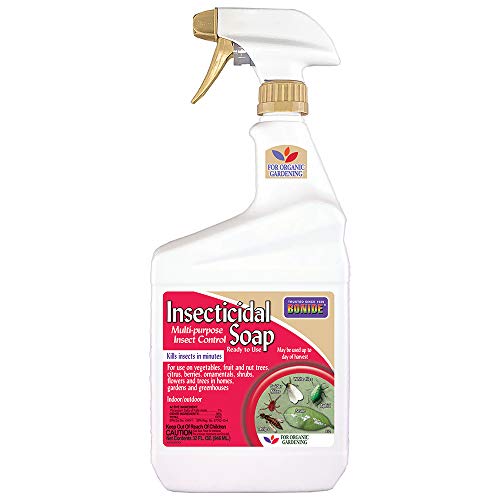
Bonide Insecticidal Soap provides multi-pest protection with direct-contact capability against a wide range of garden insects, including adelgids, aphids, caterpillars, mites, and more. It is designed for outdoor residential use in home gardens, lawns, ornamentals, and greenhouses. The spray works by direct contact and ingestion; insects that consume treated leaves may die. This versatility makes it a strong option for integrated pest management, particularly in gardens prioritizing organic practices and minimal chemical exposure.
Garden Safe Brand Multi-Purpose Insect Killer

This Garden Safe formulation targets more than 100 listed insects on contact, supporting control of pests like aphids, hornworms, and fruit pests. It is suitable for use in homes, home gardens, and home greenhouses and can be applied to edible crops up to the day of harvest. Its broad-spectrum action makes it a convenient choice for gardeners dealing with multiple pest species across vegetables, herbs, and ornamental plantings.
Earth’s Ally 3-in-1 Plant Spray

Earth’s Ally 3-in-1 Plant Spray delivers a natural solution designed to act as an insecticide, miticide, and fungicide. The formulation relies on botanical oils to disrupt pest activity while providing disease control for a healthier plant canopy. It’s OMRI-listed for organic use and intended for both indoor and outdoor gardens. The spray targets common soft-bodied pests such as spider mites and aphids and helps prevent diseases like powdery mildew, offering a combined approach to garden health.
Buying Guide: Key Purchase Considerations
- Active pest targets: Choose products that address the insects most common in your garden (aphids, caterpillars, mites, whiteflies, hornworms, etc.).
- Edible crop safety: Look for “up to harvest” or similar labeling if you plan to spray on vegetables close to harvest dates.
- Mode of action: Contact sprays provide rapid knockdown, while systemic or residual products may offer longer protection. Consider rotating products to avoid pest resistance.
- Application ease: Ready-to-use formulas save time, while concentrates may require mixing. Assess whether you need spot-treatment or broader coverage.
- Pollinator and beneficial insect impact: Prefer products with targeted action and minimal impact on pollinators and natural enemies when possible, especially during flowering.
- Coverage and compatibility: Some formulas work best on greenhouses, while others are designed for outdoor use in yards and vegetable plots. Always read label directions for compatibility with edible crops and other garden chemicals.
- OMRI and organic certifications: If pursuing strict organic methods, verify that the product is approved for organic gardening and aligns with your preferred standards.
- Environmental considerations: Choose products with low environmental impact and minimal runoff potential, particularly in compost-rich garden beds.
When integrating organic insect controls into your vegetable garden, it is beneficial to combine products with cultural practices. Regular monitoring, proper spacing, healthy soil, and encouraging beneficial insects can reduce pest pressure and enhance harvest quality. Always follow label instructions for timing, application rates, and safety precautions to maintain a productive, pesticide-conscious garden.