Protect your garden with trusted organic bug control options that target pests while keeping beneficial insects safe. This guide highlights five effective products that support healthy, chemical-free gardening. Each option is suitable for outdoor use and compatible with a variety of plants, from vegetables to ornamentals.
| Product | Brand | Key Benefit |
|---|---|---|
| Bonide Captain Jack’s Deadbug Brew Ready-to-Use Spray | Bonide Store | Kills insects on contact, broad pest range |
| Natria Neem Oil Spray for Plants | Natria Store | Multi-use pest and disease control |
| Bonide Insecticidal Soap | Bonide Store | Contact kill, safe for organic gardening |
| Garden Safe Insecticidal Soap | Garden Safe Store | Ready-to-use, edible-use up to harvest |
| Garden Safe Diatomaceous Earth Insect Killer | Garden Safe Store | Contact kill, outdoor and indoor usage |
Bonide Captain Jack’s Deadbug Brew Ready-to-Use Spray

Bonide Captain Jack’s Deadbug Brew is a ready-to-use insect killer designed for organic gardens. It targets a broad spectrum of garden pests, including caterpillars, beetles, and mites, with specific emphasis on trees and fruiting plants. The product is formulated to minimize impacts on predatory beneficials while controlling listed pests. Ideal for outdoor use across vegetables, fruits, and ornamentals, it helps maintain plant health with a focus on fast-acting, contact-based control.
Key features include: broad pest coverage, suitability for a wide variety of foliage, and a targeted approach that aims to spare beneficial insects. This makes it a practical choice for home gardeners seeking an effective organic option without compromising beneficial predator populations.
Natria Neem Oil Spray for Plants
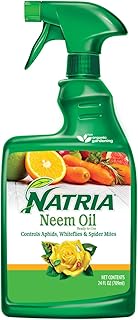
Natria Neem Oil Spray serves as a versatile pest control for both indoor and outdoor plants. Neem oil disrupts pest life cycles and helps control aphids, spider mites, whiteflies, and other listed pests. This ready-to-use formula is suitable for a variety of plant types and can be used on vegetables, ornamentals, and fruiting plants. The product’s multi-use nature makes it convenient for gardeners who want a single solution for multiple pest challenges.
Key features include: broad pest coverage, indoor/outdoor compatibility, and suitability as a general plant spray. Neem oil also supports plant health by reducing pest pressure without relying on synthetic chemicals, aligning with organic gardening goals.
Bonide Insecticidal Soap

Bonide Insecticidal Soap provides a multi-purpose spray for organic gardening. It controls a range of pests including aphids, caterpillars, spider mites, and thrips through direct contact and ingestion effects. The formula is designed for outdoor residential use across lawns, ornamentals, and edible crops, and it can be used on diverse crops like artichokes, berries, herbs, and fruit trees. Application involves spraying insects directly or allowing leaf-feeding pests to consume treated surfaces for mortality.
Key features include: broad pest coverage, outdoor suitability, and direct-contact action. The product supports organic gardening by offering a non-synthetic option that can be used across many plant types and environments.
Garden Safe Brand Insecticidal Soap

Garden Safe Insecticidal Soap is a ready-to-use spray that kills bugs by contact. The product is suitable for organic gardening and can be used indoors, outdoors, or in greenhouses on vegetables, fruit trees, ornamentals, and more. It is designed for easy application and allows for spraying of the underside of leaves to reach hidden pests. The formula supports harvest-ready gardens by enabling spraying up to the day of harvest in some cases.
Key features include: no-muss application, organic compatibility, and day-of-harvest use. This option suits gardeners who want a simple, effective way to manage pests without downtime or mixing requirements.
Garden Safe Diatomaceous Earth Insect Killer

Garden Safe Diatomaceous Earth Insect Killer uses a natural, abrasive powder to control crawling insects by contact. The diatomaceous earth creates an environmental barrier that disrupts pests as they traverse treated areas. It is suitable for outdoor use and can be applied around plants and soil to deter numerous crawling insects. This product is favored by gardeners seeking a physical, non-chemical approach to pest management in organic systems.
Key features include: organic compatibility, outdoor and indoor use, and contact-based action. It provides an alternative to liquids, offering a different mechanism for pest control within an integrated pest management plan.
Buying Guide
When choosing organic bug control, consider pest type, plant sensitivity, and your garden environment. Here are key purchase considerations and comparisons:
- Mode of action: Contact killers provide immediate pest death on direct contact, while oils and soaps disrupt feeding or life cycles over time. Diatomaceous earth acts as a physical barrier and can be effective for diverse settings.
- Broadness of pest targeting: Neem oil and insecticidal soaps cover a wide range of pests, but some products are better for specific insects. Match the product to the most common garden pests you encounter.
- Plant safety and harvest timing: Some products allow day-of-harvest use, while others require waiting periods. Read label directions to avoid crop injury or residue concerns.
- Indoor vs outdoor use: If you have both indoor plants and an outdoor garden, choose multi-use products compatible with both environments, such as neem oil or insecticidal soap.
- Beneficial insects: Opt for products that minimize impact on beneficials like ladybugs and predatory mites when possible to maintain natural pest control balances.
- Ease of use: Ready-to-use sprays reduce mixing steps, while some products require dilution. Consider your preferred application method and spray coverage.
- Safety and labeling: Follow safety guidelines, especially for indoor use or when pets are present. Ensure the product is certified for organic gardening where applicable.
These options provide a range of strategies—from direct contact killers to barrier-based and life-cycle inhibitors—so gardeners can adapt to different pest pressures while maintaining organic standards. Selecting a combination of products may yield the best results, particularly when pests shift with the seasons or environmental conditions.