Organic horticultural charcoal, or biochar, can improve soil structure, enhance moisture retention, and support beneficial microbes in pots, terrariums, and outdoor beds. The following selections are derived from sustainable sources and certified organic where noted, offering a range of particle sizes and filtration benefits to fit different plant needs. This guide compares highly regarded options to help you choose the right biochar for your indoor or outdoor gardening.
| Product | Brand | Notes |
|---|---|---|
| Olivette Horticultural Biochar | Olivette | Olive-derived activated charcoal; moisture control for terrariums and potted plants |
| Legigo Horticultural Charcoal | Legigo | Natural hardwood charcoal; 2 qt bag; ideal for drainage and aeration |
| Sukh Horticultural Charcoal | Sukh | 1 Qt; regulates temperature; stores water and nutrients; supports aeration |
| Char Bliss (8–24 Qt) Biochar | Plantonix | OMRI-listed biochar; multiple sizes; nutrient retention and carbon sequestration |
| Perfect Plants Horticultural Charcoal | PERFECT PLANTS | 24 oz; natural charcoal for drainage and soil conditioning |
Choosing the right organic charcoal involves considering porosity, particle size, and whether you’re using it for terrariums, potted plants, or garden beds. The products below highlight different formats—from small, fast-draining mixes to larger, storage-friendly bags—so you can tailor your soil amendment to your plant’s needs and your growing setup.
Olivette Horticultural Biochar For Plants
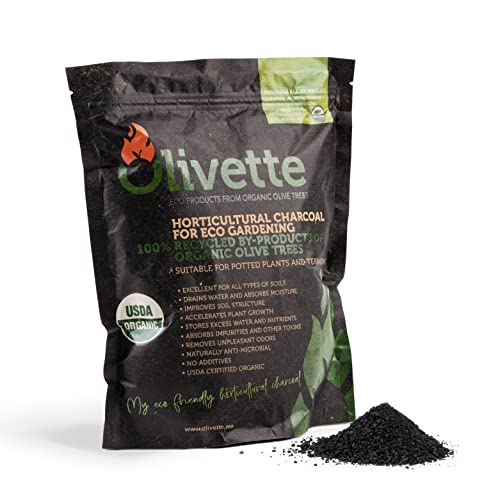
Olivette’s premium olive-derived activated charcoal is designed to improve indoor plant soil by balancing moisture and supporting microbial life. The formula uses recycled olive pits and pulp, aligning with eco-conscious gardening practices. It helps prevent root rot by absorbing excess water while retaining essential nutrients, making it suitable for terrariums, houseplants, and moisture-sensitive varieties. The product also enhances aeration, reducing soil density and fostering a healthier growing environment for roots and beneficial microorganisms.
Char Bliss 16 Quarts Organic Biochar

Plantonix Char Bliss offers an OMRI-listed biochar option suitable for both indoor and outdoor use. Manufactured from wood and tree trimmings, this biochar improves nutrient availability, soil fertility, and water retention while promoting carbon sequestration. It acts as a nutrient sponge, reducing leaching and runoff while providing a long-term reservoir of nutrients for plant uptake. The product supports sustainable gardening by helping to mitigate climate impacts through carbon storage in soil.
Legigo 2 Qt Horticultural Charcoal
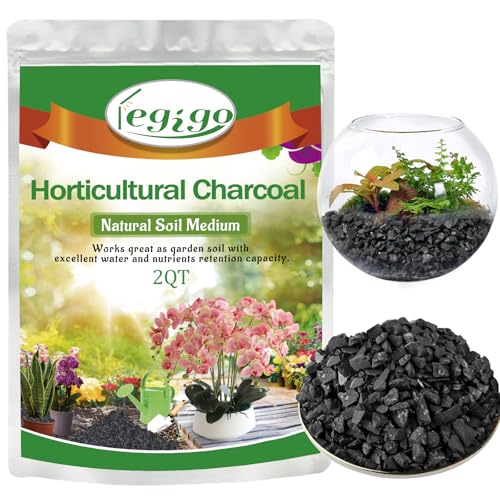
Legigo’s 2-quart packaging provides a lightweight, natural hardwood charcoal ideal for improving drainage and soil aeration in containers. The product’s 3–7 mm particle size helps prevent soil compaction and supports healthy root development in houseplants, bonsai, orchids, and succulents. Its porous structure enhances air movement and can be mixed with perlite or other amendments to create an ideal substrate for diverse plant types.
Char Bliss 8 Quarts Organic Biochar

Another Plantonix option, this 8-quart Char Bliss biochar shares the same core benefits: excellent nutrient retention, carbon sequestration, and long-term soil improvement. It’s suitable for a wide range of plants, helping with water retention without compromising drainage and promoting a healthier soil ecosystem in pots or garden beds. The product emphasizes sustainable gardening practices and soil health with a focus on long-term nutrient availability.
Horticultural Charcoal By Perfect Plants
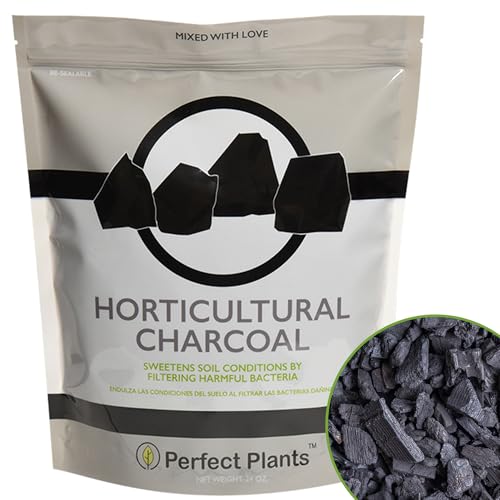
Perfect Plants offers a 24-ounce bag of horticultural charcoal designed to drain excess moisture and condition soil. The charcoal acts as a natural filter, helping to remove odors and harmful bacteria while improving soil porosity. This option is well-suited for terrariums and potted plants that benefit from improved drainage and soil aeration. A lighter option for hobbyists seeking manageable quantities, without sacrificing performance.
Buying Guide: Key Purchase Considerations
When selecting organic charcoal for plants, consider these factors to optimize results across different growing environments:
- Source and certification: Look for biochar sourced from sustainable materials and certified organic where possible. This reduces chemical impurities and aligns with eco-friendly practices.
- Particle size and porosity: Smaller particles improve drainage and aeration in confined pots; larger pieces can promote deeper root zones in containers and terrariums. A mix can balance moisture retention and airflow.
- Moisture management goals: For moisture-sensitive plants, choose charcoal with strong adsorption capacity to prevent waterlogging. For drought-tolerant setups, airier charcoal can help with soil respiration.
- Nutrient interaction: Biochar can adsorb nutrients and then slowly release them. In highly fertilized soils, pair charcoal with balanced amendments to avoid nutrient immobilization.
- Application rate: Start with a conservative percentage of soil volume (often 5–20%) and adjust based on plant response and soil moisture behavior.
- Terrarium suitability: For closed or semi-closed terrariums, choose finer charcoal designed to maintain humidity while providing drainage and filtration.
- Long-term impact: Biochar is a long-term soil amendment. Consider compatibility with existing soil life and microbial communities to maximize benefits.
Additional considerations include potential contaminants in some blends, so verify product claims and review ingredient lists. For beginners, starting with a commonly sized package and gradually increasing use as you observe plant response can be an effective approach. Always follow manufacturer guidelines for mixing with existing soil or potting mixes.