For gardeners seeking an eco-friendly way to protect plants from aphids, live ladybugs offer a natural, effective solution. This guide highlights five top options, including pre-fed and general-release varieties, with quick-release tips and expected benefits. Each product is designed to help maintain healthier gardens by providing a beneficial predator to aphids and other small pests. Read on to compare features, release methods, and suitability for different garden sizes and setups.
| Product | Quantity | Format | Key Benefit |
|---|---|---|---|
| Buddy Bugs 1500 Pre-Fed Live Ladybugs | 1500 | Mesh bag | High-volume release for larger areas |
| 150 Pre-Fed Live Ladybugs | 150 | Mesh bag | Pre-fed, easy release for small gardens |
| 3,000 Live Ladybugs – Natural Aphid Control | 3000 | Mail-order | Outdoor garden balance and classroom use |
These products vary in quantity and packaging, but all focus on delivering effective aphid control through beneficial insects. When choosing, consider garden size, climate, release method, and whether you prefer pre-fed ladybugs for immediate activity or standard live arrivals for longer-term pest management. The sections below detail each option and how it might fit into a broader integrated pest management plan.
Buddy Bugs 1500 Pre-Fed Live Ladybugs

This option provides about 1,500 live Hippodamia convergens shipped in a mesh bag for garden release. Pre-fed ladybugs are prepared to start feeding on pests shortly after release, supporting quicker aphid suppression. The product emphasizes a garden-friendly approach and a simple release process: simply open the packaging and allow the ladybugs to disperse toward infested plants. Suitable for medium to larger garden beds and outdoor containers, it aligns with natural pest management goals without synthetic interventions.
150 Pre-Fed Live Ladybugs
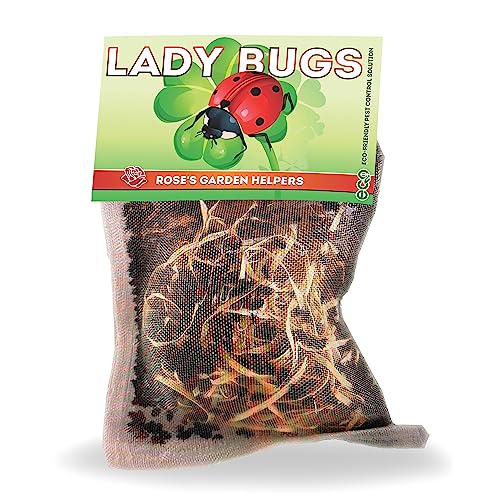
This product delivers 150 pre-fed ladybugs in a mesh bag, designed for straightforward release and rapid pest control. The listing notes that ladybugs feed on a variety of slow-moving pests beyond aphids, including mites and whiteflies. Release instructions are included to help maximize efficacy, making it a practical choice for smaller garden plots, greenhouses, or balcony plants where rapid activity is desired and space is limited.
3,000 Live Ladybugs – Natural Aphid Control

With roughly 3,000 live Hippodamia convergens, this option is designed for substantial outdoor spaces or educational settings. The product is marketed as ready for release upon arrival and is suitable for gardens, flower beds, and vegetable patches. Educational value is noted, offering a hands-on way to observe insect lifecycles and natural predation in action, which can be relevant for homeschool projects or classroom demonstrations.
Pre-Fed Live Ladybugs for Aphid Control (301)
This mesh-bag option provides 301 pre-fed ladybugs, offering a balance between release quantity and manageability for mid-sized garden areas. The included usage guide covers step-by-step release and storage considerations, helping ensure active predator presence against aphids and other slow-moving pests. Pre-fed status supports prompt activity, particularly in early infestation stages.
750 Pre-Fed Live Ladybugs for Aphid Control
This mesh-bag option contains 750 pre-fed ladybugs, suitable for medium-sized landscapes or green spaces where ongoing pest pressure is present. The product emphasizes natural garden balance and provides a step-by-step usage guide to help users release, store, and maximize benefits. It covers a broad range of pests beyond aphids, making it a versatile choice for diverse infestations.
Buying Guide
Key considerations when selecting ladybugs for aphid control include release quantity, packaging, and suitability to garden size. Pre-fed ladybugs typically act quickly, making them ideal for immediate infestations, while non-pre-fed options may require more time to establish predation activity. Packaging format—mesh bags versus bulk shipments—affects both handling and release ease. Consider climate compatibility and transport conditions, since some regions experience cooler nights or high humidity that influence survival rates after shipping.
Release timing and placement can influence effectiveness. For larger gardens, staggered releases across multiple hotspots help distribute predators more evenly. In small spaces or containers, smaller bag quantities paired with frequent releases can maintain aphid pressure without over-concentrating insects in one location. Integrating ladybugs with other IPM strategies—such as yellow sticky traps, regular monitoring, and habitat diversification (nectar sources, mulch, and plant diversity)—can improve long-term results and reduce pest rebound.
Monitoring and storage practices are also important. Follow the included instructions for releasing and storing any unused ladybugs to preserve viability. If you anticipate long storage, ensure a cool, shaded environment and avoid exposing insects to direct sun or excessive heat. Some products advise releasing during cooler parts of the day or when aphid activity is highest, which can enhance predation efficiency. For classrooms or educational uses, consider the additional learning value of observing predator-prey interactions alongside traditional pest control goals.
Perspective considerations include environmental impact, cost efficiency, and user-friendliness. Pre-fed options offer faster action and simplified release, potentially reducing time-to-action in urgent infestations. Larger quantities provide broad coverage for bigger spaces, but may require more careful monitoring to prevent unintended impacts on non-target insects. Non-pre-fed options may be preferable for those who want to observe natural establishment before predator activity takes hold. Always align product choice with your garden’s specific pest pressure, plant types, and maintenance routine.