Discover the best orange tea olive shrubs for fragrant, evergreen landscaping. This guide highlights five selections that are well-suited for American gardens, especially where sweet citrus-like blooms elevate entryways, hedges, or containers. Each option is described for who benefits most, with quick notes on growth, fragrance, and year-round structure. Perfect for gardeners seeking winter-hardy evergreens, striking fall blooms, or a hedge that doubles as a scent-filled feature near doors and paths.
Summary table of selected products
- Orange Fragrant Tea Olive – Live Plants — Best for warm-season bloom and hedge plantations
- Beni Kin Mokusei Red Tea Olive — Best for unique orange-red fragrance in hedges
- Fragrant Tea Olive | 1 Live Gallon — Best for flexible landscape planting
- Osmanthus 7 Gal. Tea Olive — Best for larger yards and formal hedges
- Live Plant – Apricot Echo Orange Tea Olive — Best for home gardens and container use
Note: All selections emphasize evergreen structure and sweet, tea-like or citrusy fragrances. Consider climate, available space, and whether you prefer container stock or in-ground hedges when choosing your orange tea olive shrub.
Orange Fragrant Tea Olive – Live Plants

Brand: New Life Nursery & Garden
Features: Heavy blooming, light to bright orange fragrant flowers; evergreen shrub that can become tree-like in mild climates; leaves about 3 inches with small marginal teeth; hardy to -8 °F; blooms in fall. Ideal as fragrant evergreen hedge, large containers near entrances, or specimen plantings.
Best for: Gardeners wanting a bold fall fragrance and dense evergreen structure. The plant is particularly suited for hedges or feature specimens in mild-to-warm climates where blooms signal the season change.
Caution: In colder zones, protection may be needed to minimize cold damage; growth form can become tree-like, requiring space in landscapes.
Beni Kin Mokusei Red Tea Olive Live Plant

Brand: Japanese Maples and Evergreens
Features: Rich sweet fragrance with fruity scent; orange-red blossoms; evergreen hedge plant offering year-round greenery and structure.
Best for: Homeowners seeking a distinctive orange-red flowering tea olive with a strong fragrance, suitable for borders and hedges that stand out in fall and winter landscapes.
Limitation: The vivid color may be less intense in cooler climates; ensure proper sun exposure for best bloom color.
Fragrant Tea Olive | 1 Live Gallon

Brand: Florida Foliage
Features: Evergreen beauty with year-round foliage; adapts from full sun to partial shade; small but powerfully fragrant flowers.
Best for: Gardeners wanting a versatile plant that can tolerate varying light conditions, ideal for mixed borders or as a focal plant where fragrance is desired throughout the year.
Limitation: Flowers may be less showy in heavily shaded spots; ensure regular watering in extreme heat for best growth.
Osmanthus 7 Gal. Tea Olive
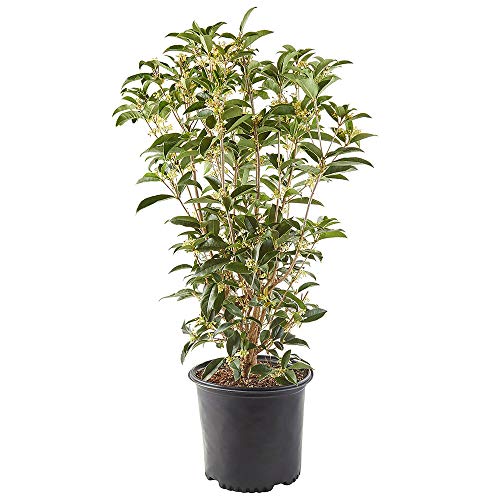
Brand: Generic
Features: Suited to USDA Zones 7-10; grows to 120 inches wide and tall; commonly used in landscapes, hedges, and as accents.
Best for: Larger landscapes that require a substantial evergreen structure with fragrant blooms and a classic hedge presence.
Limitation: Not ideal for colder regions; expects ample space for mature size and regular pruning to maintain shape.
Live Plant – Apricot Echo Orange Tea Olive

Brand: Generic
Features: Lush greenery; suitable for patios, backyards, or as an indoor-style accent; easy to grow and adaptable to various climates; compact, attractive foliage.
Best for: Home gardeners prioritizing container use or smaller garden spaces, who want a decorative, evergreen shrub with fruit-forward interest.
Limitation: Fruit production varies by climate and may require careful irrigation; may need winter protection in cooler zones.
Buying Guide
What to consider when choosing an orange tea olive shrub
- Climate and hardiness: Check USDA zones and expected winter temperatures to avoid winter damage. Some varieties tolerate down to -8 °F; others prefer milder climates.
- Size and space: Decide between hedge-style plants and specimen trees. Some varieties reach large sizes; plan for mature dimensions in beds or containers.
- Fragrance and bloom timing: If fragrance is top priority, select varieties noted for strong aromatic blooms and fall flowering patterns.
- Sun exposure: Most tea olives prefer full sun to partial shade. Adequate sun supports bloom color and overall vigor.
- Container suitability: For patios or entryways, choose smaller or more adaptable plants with strong year-round structure.
- Maintenance: Consider pruning needs to maintain shape, height, and airflow for hedge health and disease prevention.
Frequently Asked Questions
- What is an orange tea olive shrub best used for? – They make fragrant hedges, focal accents, or container specimens with year-round evergreen foliage.
- Are orange tea olives cold-hardy? – Some varieties tolerate cold to around -8 °F; colder zones may require protection or indoor overwintering.
- Do all orange tea olives bloom in autumn? – Bloom timing varies by cultivar, with many showing fragrant blooms in fall and sometimes sporadically in other seasons.
- Can these shrubs be grown in containers? – Yes, several selections are suitable for containers, especially smaller or grafted varieties with compact growth.
- Which orange tea olive is best for a formal hedge? – Larger forms such as Osmanthus 7 Gal. Tea Olive are strong hedge candidates, given their dense evergreen structure.
- Do these plants require special soil? – Well-draining soil with moderate fertility is typically ideal; avoid waterlogged conditions to prevent root issues.