Open pollinated sweet corn seeds offer reliable, true-to-seed reproduction that helps home gardeners preserve favorites year after year. This guide highlights five open-pollinated sweet corn varieties well-suited for American gardens, explains who each is best for, and points out practical considerations for planting, growing, and harvest. Whether you’re new to corn or expanding a plot, these selections balance flavor, reliability, and ease of growing.
The following table summarizes the five highlighted products, including their best-use scenarios and notable considerations. Use it as a quick reference when comparing options.
| Product | Best For | Key Benefit | Limitation |
|---|---|---|---|
| The Old Farmer’s Almanac Heirloom Golden Bantam | Beginners and gift-ready seed packs | Trusted heirloom flavor with clear planting guidance | Smaller ears compared to some modern cultivars |
| HOME GROWN Golden Bantam | Home gardeners seeking reliable, traditional flavor | High germination, easy to grow | Early-season performance may vary by region |
| Open Pollinated Seed Corn – Minnesota 13 Organic Grown | Purists who want organic, field-to-plot heritage | OMRI-listed, direct-from-seed lineage | Potentially variable ear size |
| Sweet Yards Organic Enchanted Sweet Corn | Gardeners wanting two-seed-pack durability | Open-pollinated, non-GMO, fresh seed integrity | Harvest guidance depends on climate |
| Open Pollinated Yellow Dent Corn Seeds | Food plotting and multi-use corn seed | Versatile yellow dent corn for various uses | Not specifically sweet corn genetics; user may mix with sweet types |
The Old Farmer’s Almanac Heirloom Golden Bantam Seeds

Zea mays, open-pollinated Golden Bantam sweet corn. Prefers warm temperatures between 75-90°F. Each ear yields plump, bright yellow kernels with classic sweetness. Plant with sun exposure in mind, as tall 6–8 foot stalks can shade nearby crops. Harvest when ears turn dark green, silks brown, and kernels are plump with milk-like juice. Packaging is designed for gifting or storage, with clear variety facts on the back.
Who it’s best for: Beginners and gardeners who enjoy reliable heirloom flavors and straightforward seed packets. This variety is well-suited for first-year corn plots and small family gardens.
Why selected: It provides a traditional, dependable open-pollinated option that yields eatable ears and aligns with simple, readable planting instructions.
Caution / Limitation: Ear size and sweetness can vary by season and microclimate; prepare for typical regional differences in your area.
100% Organic Hawaiian #9 Sweet Corn

Open-pollinated, organic heirloom corn with a Hawaiian #9 profile. Designed for organic growing and non-GMO expectations, this seed package emphasizes extra seeds to improve crop success. It’s a classic choice for those who want robust flavor with heritage roots. Germination and vigor are highlighted, making it a solid option for experienced planners and organic seed users.
Who it’s best for: Gardeners committed to organic seed lines and non-GMO planting, seeking a strong, heritage-driven sweet corn.
Why selected: The variety aligns with organic growing principles and emphasizes extra seed counts to help ensure a fuller harvest.
Caution / Limitation: Availability of consistent germination can depend on seed lot testing; verify organic certification status and sowing timing for your region.
HOME GROWN Golden Bantam Sweet Corn Seeds

Golden Bantam, an heirloom variety, packaged by HOME GROWN. One packet contains 100 seeds, designed for home gardeners seeking authentic, time-tested flavor. Adaptable to many regions and soil types, this seed set supports easy outdoor sowing with a focus on full sun and straightforward care.
Who it’s best for: New gardeners and seasoned growers who want a reliable heirloom corn with consistent germination and straightforward care.
Why selected: This option emphasizes ease of growth and traditional flavor, making it a practical add-on for family plots and beginner plots alike.
Caution / Limitation: Early-season performance can vary; plan for regional microclimates that affect maturity timing.
Open Pollinated Seed Corn Minnesota 13 Organic

Organic, open-pollinated Minnesota 13 corn. Grown on a multi-generation family farm in the Midwest with OMRI-approved inputs. The seed aim is to deliver sturdy, nutrient-dense yellow corn suitable for food plots, silage, or direct consumption after cooking.
Who it’s best for: Gardeners who prefer organically grown, field-to-plot heritage varieties and direct-from-grower provenance.
Why selected: It offers a heritage open-pollinated line with an emphasis on organic farming practices and practical use in family plots.
Caution / Limitation: As with any open-pollinated seed, regional climate and soil conditions will influence ear size and yield consistency.
Ohio Heirloom Silver Queen Sweet Corn Seeds
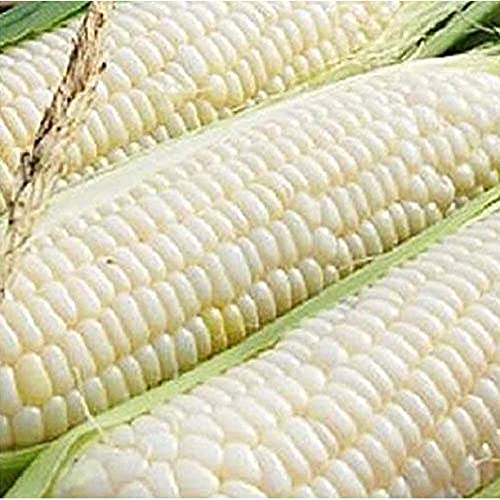
Silver Queen is presented as a premium sweet corn seed with a focus on non-GMO lines and heirloom roots. The package highlights 50+ seeds for solid garden start points, and the seeds are positioned for a ready-to-thrive garden performance. Expect classic sweet corn flavor from a time-tested cultivar.
Who it’s best for: Gardeners seeking a dependable heirloom sweet corn with abundant seeds for a robust early-season crop.
Why selected: Offers a trusted heirloom option with non-GMO attributes and a ready-to-plant seed set suitable for medium-sized plots.
Caution / Limitation: It may require optimal sun exposure and warm days to reach peak sweetness; monitor soil temperature for best results.
Sweet Yards Organic Enchanted Sweet Corn
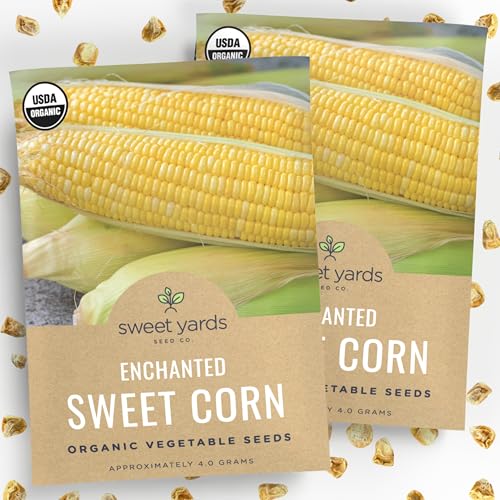
Two seed packets totaling approx. 30 open-pollinated, non-GMO seeds. Enchanted Sweet Corn is described as sweet and tender with full sun growth expectations. The packaging emphasizes freshness and robust germination, plus multiple planting areas to experiment with conditions.
Who it’s best for: Gardeners who want variety and experimentation across planting areas, as well as a compact seed set for small plots or trials.
Why selected: The two-packet approach supports flexible growing patterns and the open-pollinated nature supports seed saving in subsequent seasons.
Caution / Limitation: With small seed counts, a single poor germination event could impact overall yield; consider extra seed backups for larger plots.
Buying Guide: Open Pollinated Sweet Corn Seed
- What does open-pollinated mean? Seeds produced from naturally pollinated plants retain the ability to reproduce true to type. Saving seeds from an open-pollinated crop yields plants similar to the parent plants in your garden.
- Best regions for each variety? Look at your local climate and last-frost dates. Heirloom and open-pollinated varieties often perform best in warm summers with full sun, while some can tolerate cooler conditions but may have longer days to maturity.
- Germination and seed counts? Seed packets vary; consider germination rates and whether you need extra seeds for patchy soils or uneven germination in home plots.
- Sun and spacing considerations? Corn requires full sun and adequate spacing to reduce disease pressure and ensure good pollination. Plant in blocks rather than long single rows when possible.
- Harvest timing and signs? Expect color changes in ears and silks and monitor kernel development. Harvest when kernels reach the desired milk stage, often indicated by plump kernels and brown silks in warm conditions.
- Seed saving and year-to-year planning? Open-pollinated seeds allow growers to save seed and replant the following season, preserving the cultivar’s genetic stability if cross-pollination is minimized by blocking or spacing.
FAQ
- Is open-pollinated corn the same as heirloom corn? Not always, but many open-pollinated varieties are heirloom–style. Open-pollinated simply means seeds can reproduce true to type; heirloom refers to historical or heritage varieties.
- Can I save seeds from an open-pollinated corn plant? Yes. To maintain the variety, save seeds from plants within a single variety and minimize cross-pollination with other corn varieties nearby.
- What’s the best planting method for open-pollinated corn? Plant in blocks to improve pollination efficiency. Place seeds in rows with enough space to allow air flow and sunlight to reach stalks.
- Do open-pollinated seeds require more care than hybrids? Generally, not more, but you may need to manage spacing and watering more carefully to ensure uniform pollination and ear development.
- When should I plant open-pollinated corn? It depends on your region. In many parts of the U.S., plant after the last frost date and once soil temperatures reach at least 60–65°F (15–18°C) for proper germination.
- Can open-pollinated corn be non-GMO? Many open-pollinated seeds are non-GMO, but always check the label for specific claims such as GMO-free status or organic certification.