Protecting fig trees from birds, insects, and other wildlife is essential for a bountiful harvest. The right mesh netting offers durable coverage, easy access for harvesting, and airflow to keep trees healthy. This guide reviews top netting options designed to shield fig trees and other fruit-bearing plants, with practical notes on installation, durability, and maintenance.
| Product | Size | Mesh Type | |
|---|---|---|---|
| Cookmaster Large Fruit Tree Netting | 10×10 ft | 60 mesh, polyethylene | Drawstring and zipper for easy securing |
| LHongL 8.2×8.2 ft Netting | 8.2×8.2 ft | 63″ unfolded, durable fabric | Easy drape, one-sided zipper access |
| LHongL 10×10 ft Netting | 10×10 ft | 75″ unfold diameter, heavy-duty | Zippers on both sides for easy harvest |
| Garden Tailor 6.4×6.4 ft Netting | 6.4×6.4 ft | 40+ mesh, HDPE | Two-way zip for top and side access |
| KLEWEE 10×50 ft Garden Netting | 10×50 ft | 0.8mm x 0.8mm, 80 mesh | Long roll for large plantings, cut-to-size |
Note: All products listed below are designed to protect fig trees while allowing light, air, and water to reach the canopy. Each option has unique strengths, from large-format covers to ultra-fine mesh and easy-access zippers.
Cookmaster Large Fruit Tree Netting

Overview: This 10×10 ft garden netting is built to protect fruit trees from insects and birds while resisting wind and weather. The 60-mesh polyethylene fabric provides a balance of durability and flexibility. An upgraded drawstring and zipper design makes installation straightforward and secure, reducing the risk of nets being torn or displaced by wind. The netting is suitable for pitching over fig trees, peach trees, citrus, and even blueberry shrubs when positioned carefully.
Key features include durability from high-quality polyethylene, a thick yet soft 60-mesh design, and a removal-friendly zipper system. The product is described as multi-purpose, covering various plants and shrubs. The drawstring helps secure the bottom to prevent entry by pests, and the zipper facilitates easy access for pruning or inspecting fruit without removing the entire cover. For fig growers facing persistent bird pressure, this option provides a robust barrier with practical access points.
LHongL 8.2×8.2 ft Netting
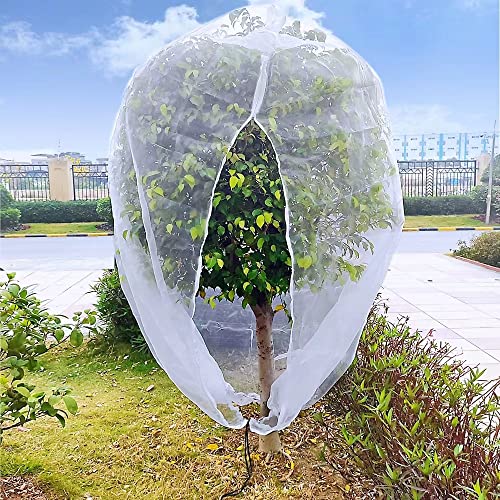
Overview: This 8.2×8.2 ft netting is designed to fit large blueberry bushes and fruit trees, including fig trees. It features an upgraded drawstring and zipper for secure placement and quick access. The material is described as durable and weather-resistant, resisting sun exposure and rain while maintaining light transmission and proper ventilation. It’s easy to drape over plants and secure, which reduces labor during installation and harvest checks.
Key features include a large coverage area, a sturdy drawstring and zipper combination, and a balance of wind resistance with airflow. The design supports efficient maintenance and reduces the need to remove the net entirely for routine checks. If you have a fig tree with a broad canopy, this size offers a practical fit without crowding neighboring plants.
LHongL 10×10 ft Netting
Overview: The 10×10 ft netting by LHongL emphasizes durability with zippers on both sides, enabling easy access to harvested fruits without fully removing the cover. It is designed for larger fruit trees such as peach, cherry, fig, and guava, while also accommodating blueberry bushes. The drawstring helps anchor the net, preventing wind-driven displacement. This model prioritizes convenience for frequent inspections and harvests in temperate climates where weather can shift quickly.
Key features include dual-side zippers for simple fruit picking, a robust construction capable of withstanding outdoor conditions, and a design that maintains light and air flow. This makes it a solid choice for fig growers who need reliable protection with practical harvest access.
Garden Tailor 6.4×6.4 ft Netting

Overview: This 6.4×6.4 ft netting covers a compact to mid-sized fruit patch or individual fig trees and bushes. It features a two-way zipper that opens from the top or side, allowing flexible harvesting angles without removing the entire cover. The net is built to resist pests such as cicadas, birds, and squirrels, while permitting water and light to reach the plant. It’s a practical option for growers wanting controlled coverage with easy access to fruits and foliage.
Key features include a two-way zipper, drawstring closure, and a breathable HDPE fabric that balances protection with plant health. The design supports easy inspection and harvest without compromising the canopy’s growth conditions. For fig trees with dense canopies, this size provides a targeted, efficient cover that minimizes material waste.
KLEWEE 10×50 ft Netting

Overview: This long roll of garden netting offers extensive coverage with a large, cut-to-size capability. The mesh is 0.8mm x 0.8mm (80 mesh per inch), providing fine protection against birds, deer, cicadas, and other pests without blocking essential sunlight or airflow. It can be trimmed to fit irregular tree shapes or extended to cover multiple trees in a row, making it suitable for a fig grove or larger home garden. UV-stable material supports extended outdoor use.
Key features include the ultra-fine mesh, high durability, and the versatility to cut to fit various plantings. The fabric’s transparency allows for ongoing growth checks, while the sturdy construction resists wear from sun and wind. This option is ideal for growers with larger plots who want a flexible, scalable netting solution for fig trees and other crops.
Buying Guide: Key Purchase Considerations
When choosing netting for fig trees, consider the following from multiple perspectives:
- Coverage and fit: Measure your fig trees’ canopy diameter and height, and choose a netting size that allows ample overhang without crowding neighboring plants. Larger trees benefit from bigger nets, while irregular canopies may require cut-to-fit options.
- Mesh size and material: Finer mesh (high mesh counts) offers stronger protection against small insects but may reduce light and airflow if too dense. Durable HDPE or polyethylene nets balance protection with breathability and rainfall drainage.
- access and harvesting: Nets with zippers on one or both sides simplify fruit picking and pruning. Drawstrings help anchor nets to prevent wind displacement, especially in open areas.
- Durability and climate: UV resistance and weather tolerance extend net longevity in sunny, rainy, and windy conditions. Check for seams and attachment points that withstand routine use.
- Maintenance: Lightweight nets are easier to handle and wash. Look for nets that allow watering and light transmission without removal, to maintain plant health.
- Cost versus coverage: Long rolls or larger sizes may seem more expensive upfront but reduce the need for reinstallation and customization later on. Balance budget with the number of trees and future expansion plans.
- Environmental impact: Choose nets that are recyclable at end of life and free from additives that could affect fruit quality or soil health.
Practical tips: Secure nets at the base with a sturdy drawstring or ties, use lightweight supports to avoid sagging, and routinely inspect for pests or plant entanglements. For fig trees with dense canopies, prefer models with side or top access to facilitate quick checks and selective harvesting without full net removal.